
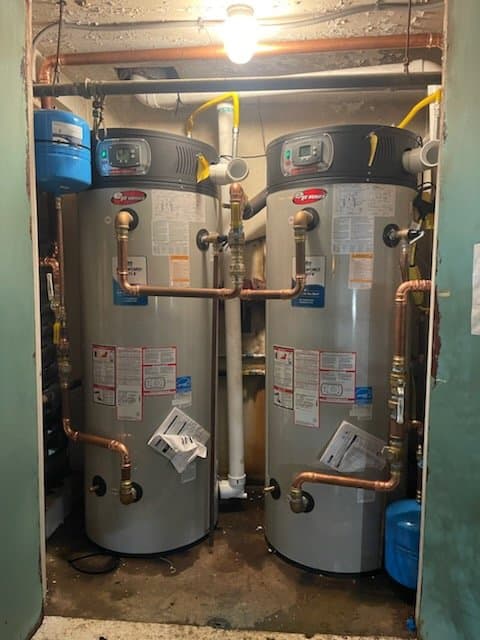
Water Heater Maintenance Tips to Extend Its Life
September 28, 2026 · Alpha Omega Plumbing Inc
The water heater maintenance tips that do the most to extend its life are simple: flush the tank once a year, check the anode rod every two to three years, test the temperature and pressure relief valve, keep the thermostat near 120°F, and keep the area around the unit clear and dry. On O'ahu, where mineral-heavy water and salty, humid air work on every tank, those few habits are often the difference between a heater that fails at year seven and one that keeps going well past ten. Here's how to do each one, what to leave to a professional, and how the routine changes for tankless and solar systems.
Flushing Sediment Out of Your Hot Water Tank
Sediment is the main reason tank heaters die early in Hawai'i. As water heats, dissolved minerals drop out and settle on the bottom of the tank. That layer insulates the water from the burner or lower element, so the unit runs longer to reach temperature, the steel underneath overheats, and you start hearing popping or rumbling as water trapped under the scale boils. A yearly flush removes it before it hardens.
To flush a tank, turn the heater off first: switch off the breaker for an electric unit, or set a gas unit to "pilot" or "vacation". Close the cold-water supply valve at the top, attach a garden hose to the drain valve at the bottom and run it outside or to a floor drain, then open a hot-water faucet in the house so air can get in. Open the drain valve and let the tank empty. The water will be hot, so keep hands and pets clear of the hose end.
When the tank is nearly empty, open the cold supply for a few seconds at a time to stir up the remaining sediment, and repeat until the water runs clear. Close the drain valve, refill the tank completely with the hot faucet still open until water flows steadily, and only then restore power or gas. Turning an electric heater on before the tank is full will burn out the upper element in seconds.
If the drain valve is plastic, stuck, or won't close fully after you open it, stop and call a plumber. Older valves on O'ahu tanks are often clogged with scale, and forcing one can leave you with a leak you can't shut off.
Anode Rod and Relief Valve Checks
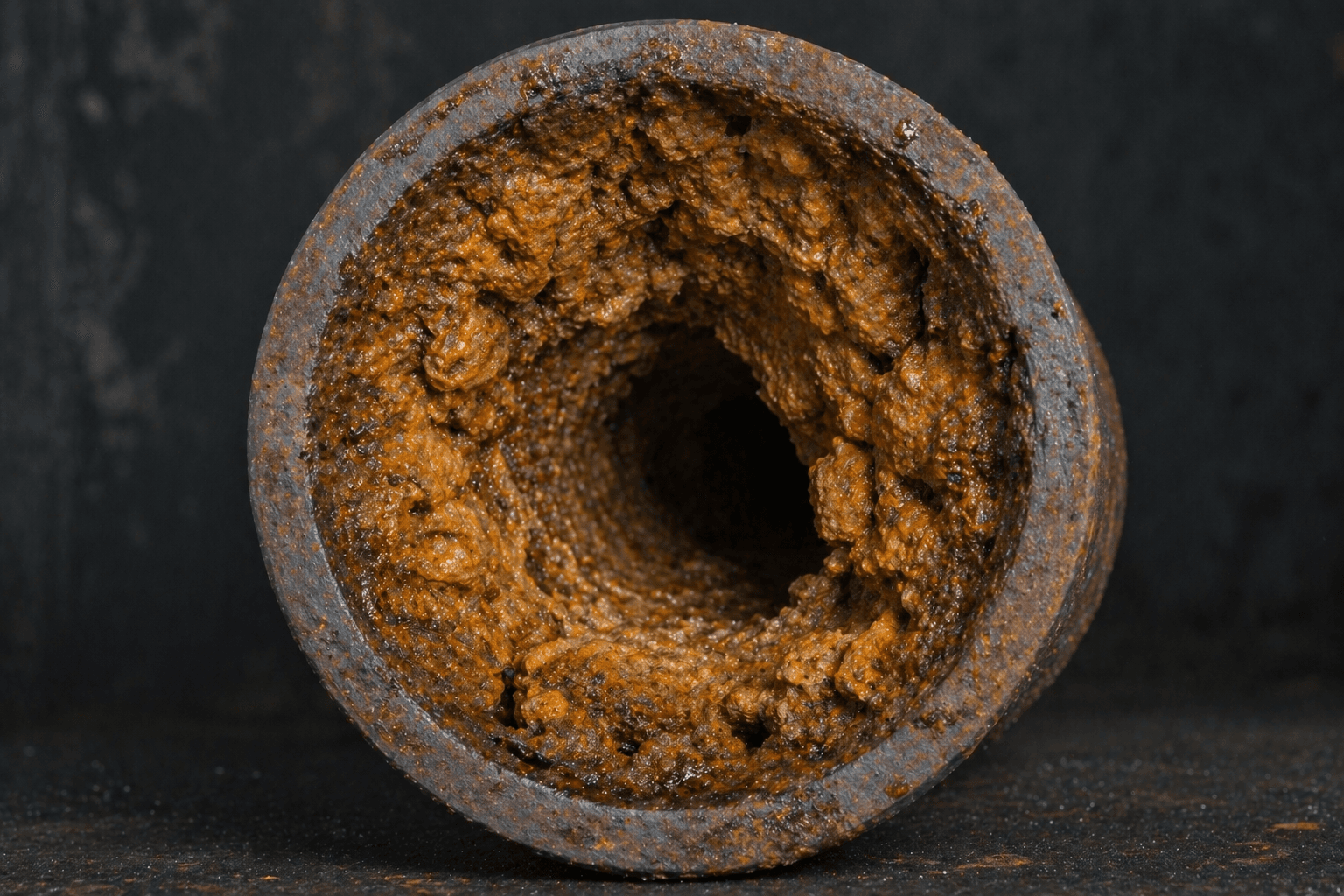
Every steel tank has a sacrificial anode rod, usually magnesium or aluminum, that corrodes so the tank lining doesn't. Once the rod is eaten down to its core wire, the tank itself starts to rust from the inside. Pull and inspect it every two to three years, or every year if you're on well water or have a water softener, which speeds up anode wear. A replacement rod costs a small fraction of a new heater and is one of the best-value repairs in plumbing. If your hot water smells like rotten eggs, a powered anode or a different rod material usually solves it.
The temperature and pressure (T&P) relief valve is the heater's safety device. It opens if pressure or temperature in the tank climbs too high, which keeps the tank from rupturing. Test it once a year by placing a bucket under the discharge pipe and lifting the lever briefly; a burst of hot water should come out and stop when you let go. If nothing comes out, or it keeps dripping afterward, the valve needs to be replaced. Never cap or plug the discharge pipe.
While you're there, look at the fittings, the expansion tank if you have one, and the floor under the heater. Green or white crust on copper connections, rust at the base of the tank, or a damp drain pan are early warnings worth acting on.
Temperature, Clearance and Salt Air Protection
Set the thermostat at about 120°F. That's hot enough for showers and dishes, lowers the risk of scalding, and slows both scale buildup and heat loss. Every ten degrees above that makes minerals drop out faster and costs more on your HECO bill.
Keep a clear space around the heater. Gas units need open air around the burner and a clear, properly sloped vent; don't store paint, gasoline, cleaning chemicals or piles of laundry in the same closet. For garage and outdoor installs, which are common in Kapolei, Mililani and older Honolulu homes, wipe down the jacket and fittings a few times a year, touch up rust spots, and make sure the enclosure keeps rain off without trapping moisture. Homes close to the water in Kailua, Hawai'i Kai or Ewa Beach see salt-air corrosion on exposed metal much faster than homes further inland.
Hard water is the other island factor you can control. A water softener or whole-home filtration system reduces the mineral load reaching the tank, which means less sediment to flush and longer element life.
Caring for Tankless and Solar Water Heating Systems
Tankless heaters don't collect sediment in a tank, but scale builds up inside the heat exchanger instead. Most manufacturers call for descaling every one to two years, which means circulating a vinegar or descaling solution through the unit using the service valves. Clean the inlet water filter screen at the same time. A tankless unit that's never descaled will start throwing error codes and cutting out mid-shower. If you're still choosing between the two types, our comparison of tankless and traditional water heaters covers the maintenance differences.
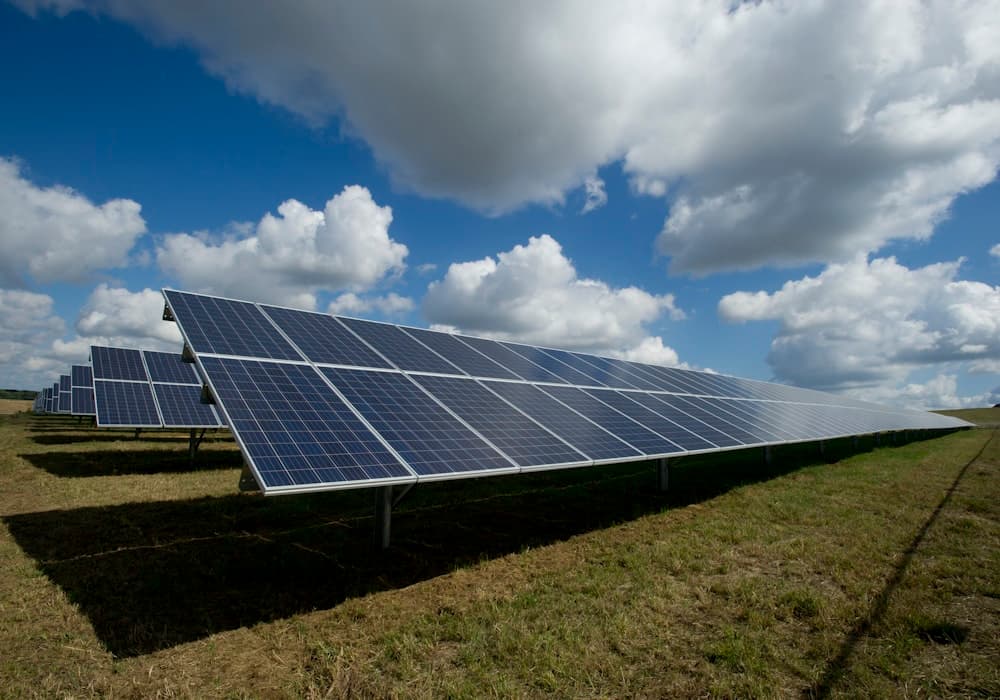
Solar systems are everywhere on O'ahu, and their storage tanks need the same flushing, anode checks and relief valve tests as a conventional tank. On the roof, keep the collectors clean, look for cracked glass or leaking fittings, and check that the insulation on the lines running to the tank hasn't been chewed up by sun or birds. Make sure the circulation pump and controller are actually running on a sunny day; a failed pump quietly leaves the backup electric element doing all the work.
Professional Water Heater Service on O'ahu
Most homeowners can handle the thermostat check and a visual inspection. Flushing, anode replacement, relief valve replacement, gas burner cleaning and tankless descaling are easier and safer with the right tools, especially on an older unit with stiff valves. A yearly service visit also gives a plumber a chance to catch a failing part before it floods a closet.
Maintenance extends a heater's life, but it can't make it last forever. If your unit is already past ten years old, leaking from the tank, or giving you rusty water, read our guide on the signs it's time to replace, not repair, your water heater before spending money on repairs.
Alpha Omega Plumbing has handled water heater repair, service and installation across O'ahu since 2014, from Waipahu and Pearl City to Kāne'ohe and Honolulu. If you'd like us to flush your tank, check the anode and relief valve, or descale a tankless unit, call (808) 847-5414 and we'll give you a free estimate before any work begins.
Frequently Asked Questions
How often should I flush my water heater in Hawaii?
Flush a tank water heater once a year on O'ahu. Mineral-heavy water leaves sediment faster here than in many mainland areas, and a yearly flush keeps it from hardening on the bottom of the tank. Homes with very hard water or well water may benefit from flushing every six months.
How much does water heater maintenance cost on O'ahu?
The cost depends on the type of heater and what the visit includes, such as a flush, an anode rod replacement or tankless descaling. Hawai'i rates run higher than mainland averages because parts and labor cost more here. Alpha Omega Plumbing gives a free estimate first — call (808) 847-5414.
Does salt air affect water heaters on O'ahu?
Yes, salt air speeds up rust on the tank jacket, fittings, gas burner parts and exposed piping. Garage and outdoor units near the coast in places like Kailua, Ewa Beach and Hawai'i Kai are hit hardest. Wiping down the unit, touching up rust and keeping the enclosure dry all help.
Should I maintain my water heater myself or hire a plumber?
Homeowners can check the thermostat, look for leaks and test the relief valve safely. Flushing a tank with an old drain valve, replacing an anode rod, servicing a gas burner or descaling a tankless unit is best left to a plumber. Alpha Omega Plumbing handles water heater maintenance across O'ahu at (808) 847-5414.
Learn more about our Water Heater Services services on Oʻahu
water heater repair, service and installation →Alpha Omega Plumbing Inc
Serving all of O'ahu since 2014.
More From the Blog
Need a Plumber on O'ahu?
Insured and available 24/7 for emergencies across the island.