
Tankless vs. Traditional Water Heaters: Which Is Right for Your Home?
June 18, 2026 · Alpha Omega Plumbing Inc
Choosing between a tankless and a traditional water heater is one of the bigger plumbing decisions an O'ahu homeowner makes, and the right answer depends on your household's hot water habits, your budget, and the realities of Hawai'i's climate. The short version: a traditional storage-tank heater costs less up front and is simpler to service, while a tankless unit takes up less space, lasts longer, and delivers virtually endless hot water — but asks for a higher initial investment. This guide breaks down how each type actually works, what they cost to own over time, and which one fits your home, and if you'd rather just get a straight recommendation for your exact setup, Alpha Omega Plumbing is one call away at (808) 847-5414.
How a Storage Tank Water Heater Works in an O'ahu Home
The traditional water heater is the one most people picture: an insulated tank, usually 40 to 50 gallons for a family home, that fills with water, heats it with an electric element or gas burner, and keeps it hot around the clock so it's ready the moment you open a tap. When you draw hot water, cold water flows in at the bottom to replace it, and the unit reheats the whole tank back up to temperature. It's a simple, proven design that has heated homes for generations.
That simplicity is the storage tank's biggest advantage. The equipment costs far less to buy and install than a tankless system, almost any plumber can service it, and replacement parts are inexpensive and easy to find. For a household with predictable, moderate hot water use, a quality tank heater does the job reliably for years. We install, repair, and replace these units across the island — you can see the full scope of our water heater services for what's involved.
The trade-offs are just as real, though. Because the tank reheats and holds water 24/7, you pay to keep it warm even while you sleep or are at work — that's called standby heat loss. And the tank only holds so much: run two showers and the dishwasher at once, and a 40-gallon unit can leave the last person in cold water until it recovers. For larger or busy O'ahu households, that recovery time is often the deciding factor.
How Tankless (On-Demand) Units Heat Water Differently
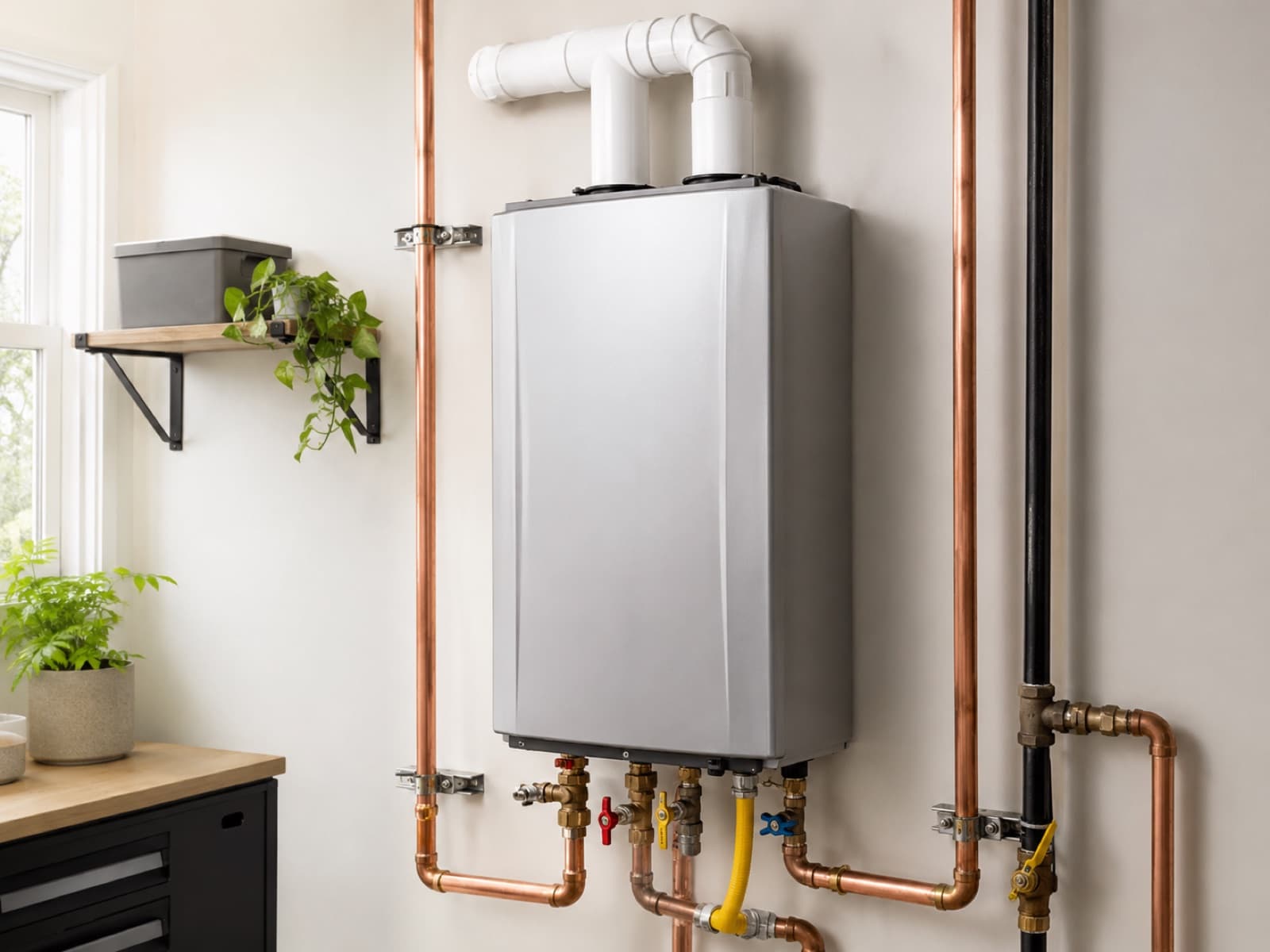
A tankless heater throws out the storage tank entirely. Instead of keeping a reservoir hot, it heats water on demand: when you turn on a hot tap, water flows through the unit and a powerful gas burner or electric element heats it instantly as it passes. Nothing is stored and nothing is reheated, so once the unit is running, the supply of hot water is effectively unlimited — you won't run out partway through back-to-back showers.
Eliminating standby loss is where the efficiency comes from. Because a tankless unit only fires when you actually need hot water, it wastes far less energy than a tank that's reheating all day, which often means a lower monthly bill. The compact, wall-mounted design is a genuine bonus on O'ahu, where garage and utility space is tight; freeing up the footprint a bulky tank used to occupy is a real win in a smaller island home.
There is a catch worth understanding: a tankless unit is limited by flow rate, not capacity. It can heat only so many gallons per minute at once, so running several hot-water fixtures simultaneously in a big household can outpace a single small unit. The fix is to size the system correctly for your home — or install a larger unit or a second one — which is exactly the kind of calculation worth handing to a plumber before you buy.
Cost, Lifespan, and Hawai'i's Hard Water and Salt Air
Up-front price is the clearest difference. A storage tank unit is the cheaper purchase and the cheaper install, while a tankless system costs more to buy and frequently needs upgraded gas lines or electrical capacity, pushing the installed price higher. Where tankless earns the money back is over time — lower energy use month to month, plus a much longer service life. A traditional tank typically lasts 8 to 12 years, while a well-maintained tankless unit can run 20 years or more, so it often outlives two tank heaters.
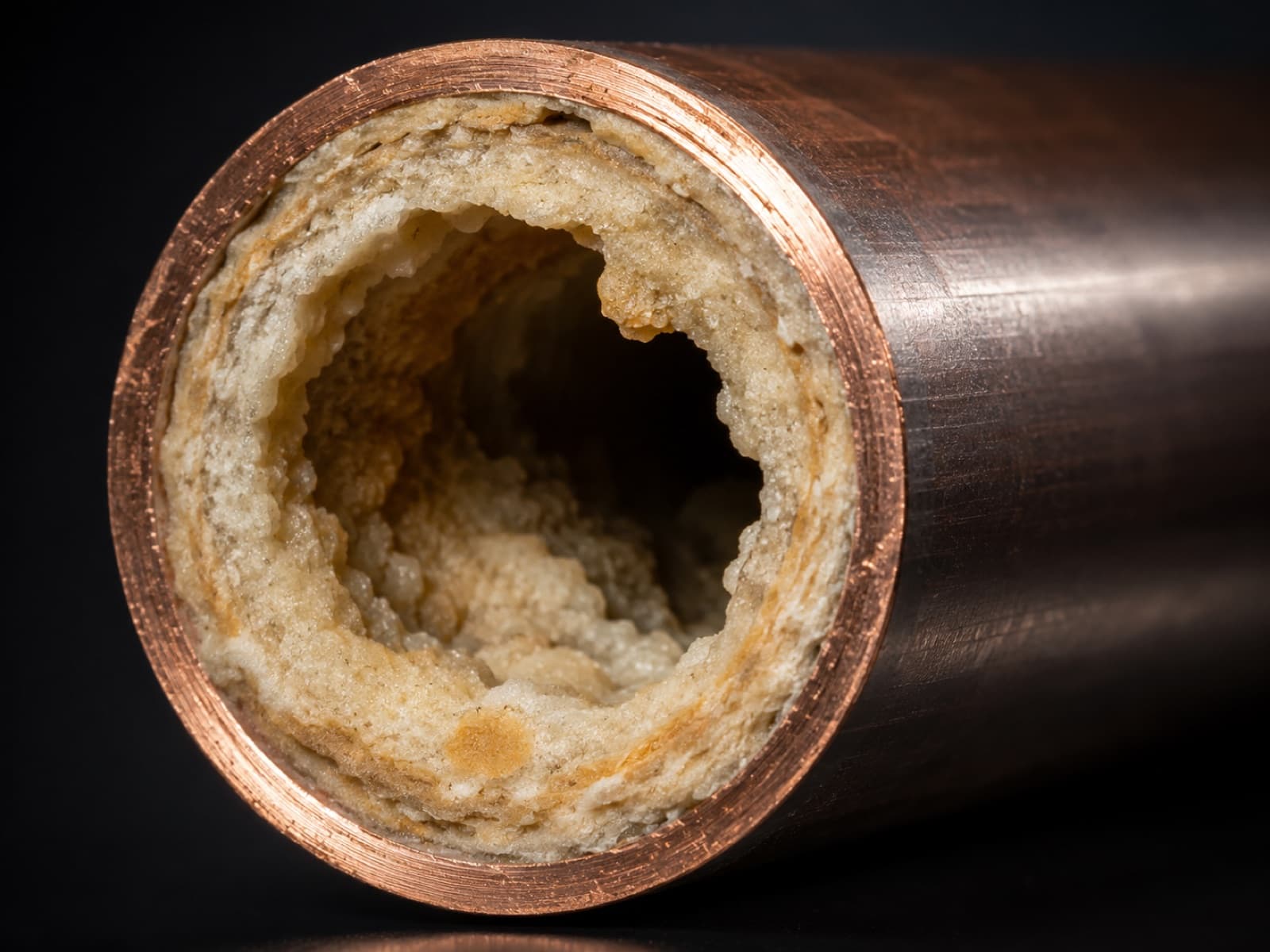
Hawai'i's environment puts a thumb on the scale, and it cuts both ways. Hard water — common across much of O'ahu — leaves mineral scale that builds up inside any water heater, but it's especially hard on tankless heat exchangers, which need periodic flushing or descaling to keep running efficiently. Salt air near the coast accelerates corrosion on tanks and fittings alike. Either type lasts longer here when it's maintained, and catching a small leak early with prompt leak detection keeps a minor drip from rusting out a unit or damaging your floor.
It's also worth knowing that Hawai'i's abundant sunshine makes solar water heating a strong third option, and state and utility rebates can offset the cost. A solar system, often paired with a tankless or tank backup, can dramatically cut the energy your home spends on hot water. Whether solar makes sense depends on your roof, your usage, and your budget — another good question for a plumber who works O'ahu homes every day.
Which Water Heater Is Right for Your Honolulu Household?
Match the unit to how your home actually uses hot water. If you want the lowest up-front cost, have moderate and predictable demand, or simply need a straightforward replacement for a tank that died, a traditional storage heater is the practical, budget-friendly pick. If you're after long-term energy savings, never want to run out of hot water, are tight on space, or plan to stay in the home long enough for the longer lifespan to pay off, a tankless unit is usually the better investment. Larger families with several bathrooms should size carefully either way — sometimes a high-capacity tank or a properly sized tankless system is the difference between comfort and cold showers.
Whichever direction you lean, the install matters as much as the equipment. Correct sizing, proper venting, code-compliant gas and electrical work, and good water-quality protection are what separate a heater that lasts two decades from one that fails early. A sudden loss of hot water, a leaking tank, or a unit making strange noises is worth a fast look — and if it can't wait, our 24/7 emergency plumbers cover the whole island.
Not sure which way to go? That's the easiest call you'll make today. Alpha Omega Plumbing has installed and serviced both tankless and traditional water heaters in homes from Honolulu and Kailua to Pearl City, Mililani, and the North Shore since 2014. Call us at (808) 847-5414 for a free, honest recommendation and estimate tailored to your home — no pressure, just the right unit for the way you live.
Frequently Asked Questions
Are tankless water heaters worth it in Hawai'i?
For many O'ahu homes, yes — tankless units use less energy, free up space, and last around 20 years versus 8 to 12 for a tank. They cost more up front, but the energy savings and longer lifespan often pay off over time, especially in a home you plan to keep. Call Alpha Omega Plumbing at (808) 847-5414 for a free estimate on your setup.
How much does it cost to install a water heater on O'ahu?
Costs run higher in Hawai'i than on the mainland because of labor and material prices, and a tankless install typically costs more than a tank because of gas or electrical upgrades. The exact figure depends on the unit, your home's connections, and access. Alpha Omega Plumbing provides free estimates — call (808) 847-5414 for a quote on your home.
How long does a water heater last in Hawai'i's climate?
A traditional storage tank usually lasts 8 to 12 years, while a well-maintained tankless unit can last 20 years or more. O'ahu's hard water and coastal salt air can shorten that lifespan, so regular maintenance — including descaling a tankless heat exchanger — matters here more than most places.
Should I repair or replace my old water heater?
If your tank is past 10 years, leaking from the bottom, or needs frequent repairs, replacement is usually the smarter spend. A unit that's still young with a single failed part is often worth fixing. When you're unsure, have a plumber assess it — Alpha Omega Plumbing offers honest repair-or-replace advice across O'ahu at (808) 847-5414.
Learn more about our Water Heater Services services on Oʻahu
water heater services →Alpha Omega Plumbing Inc
Serving all of O'ahu since 2014.
More From the Blog
Need a Plumber on O'ahu?
Insured and available 24/7 for emergencies across the island.