
No Hot Water? Steps to Try Before Calling a Plumber
August 17, 2026 · Alpha Omega Plumbing Inc
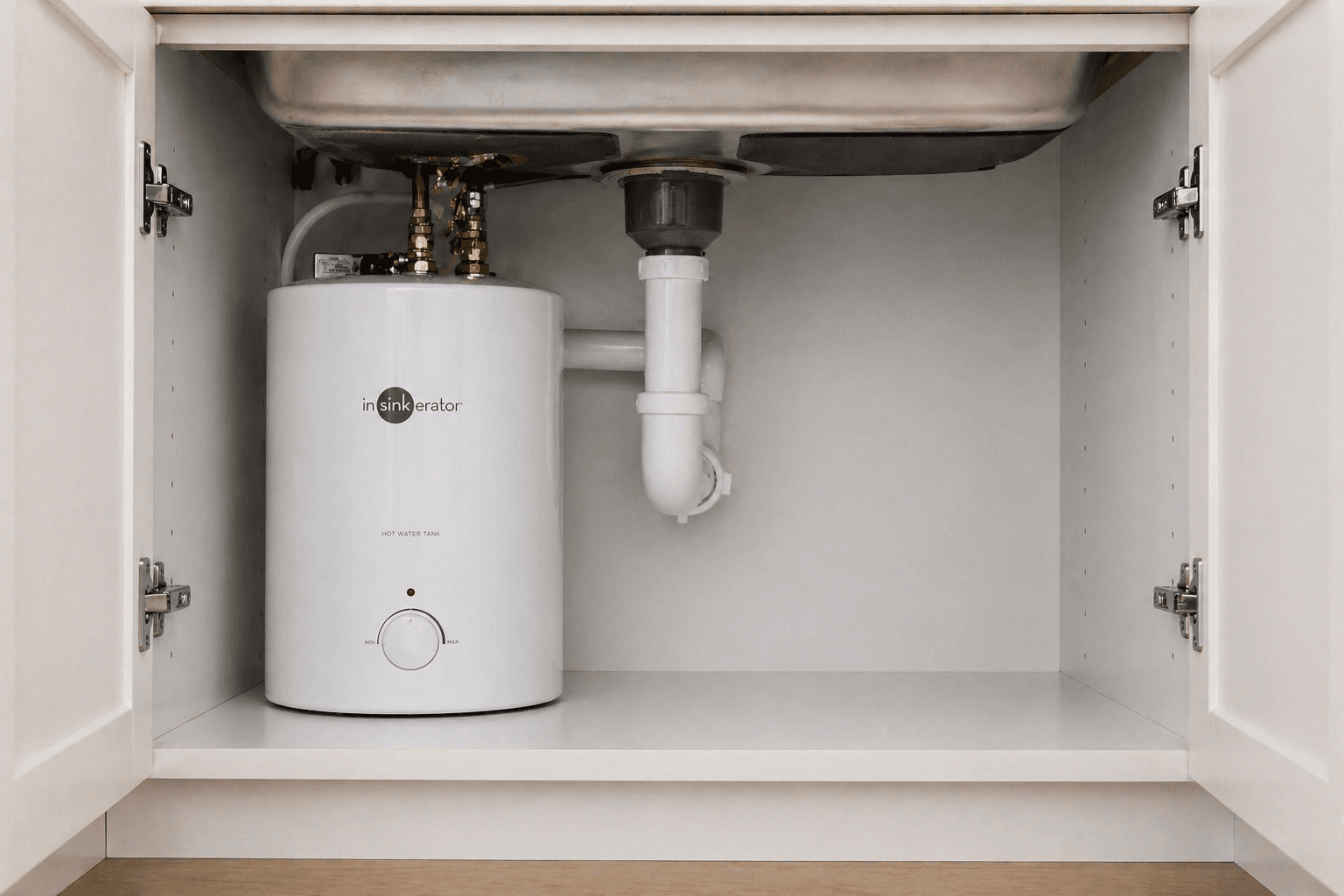
When the shower runs cold, the cause is usually one of four things: a tripped breaker or an extinguished pilot, a thermostat that drifted or got bumped, sediment crowding the bottom of the tank, or a heating element that has burned out. The first two you can check yourself in about ten minutes with no tools, and they account for a good share of the calls we get. The rest need a meter and an experienced hand. Here's how to work through it in order, what each symptom actually points to, and the warning signs that mean you should stop and call Alpha Omega Plumbing at (808) 847-5414 instead of troubleshooting further.
Start With the Power, Gas Supply, and Thermostat Settings
If you have an electric unit, go to the panel first. Water heaters run on a dedicated double-pole breaker, and a tripped one doesn't always look obviously tripped — it can sit in a middle position that reads as 'on' at a glance. Push it firmly to off, then back to on. If it trips again within a few minutes, stop there. A breaker that won't hold is telling you something is shorted inside the unit, and repeatedly resetting it is a fire risk, not a fix.
Electric heaters also have a high-limit safety cutoff — the red reset button behind the upper access panel, usually under a layer of insulation. If the water got dangerously hot at some point, that switch trips and kills the whole unit. Pressing it once is reasonable. If it trips a second time, the thermostat below it has failed and is calling for heat it shouldn't, which is a repair, not a reset.
On a gas unit, look through the small window near the base for the pilot flame. If it's out, the relighting instructions are printed on a label on the tank itself and they're specific to your model — follow those rather than a generic sequence. If the pilot lights but won't stay lit after you release the control knob, the thermocouple is almost always the culprit; it's an inexpensive part but it needs the gas control assembly opened. If you smell gas at any point, leave the house and call from outside.
Finally, check what the thermostat is actually set to. The recommended setting is 120°F — hot enough to suppress bacteria, low enough to prevent scalding. Settings drift when a unit is bumped during garage storage or after a service visit, and a dial knocked down to 'vacation' or 'low' produces exactly the lukewarm result people mistake for a failing heater.
Sediment Buildup and Why the Tank Empties Faster Than It Used To
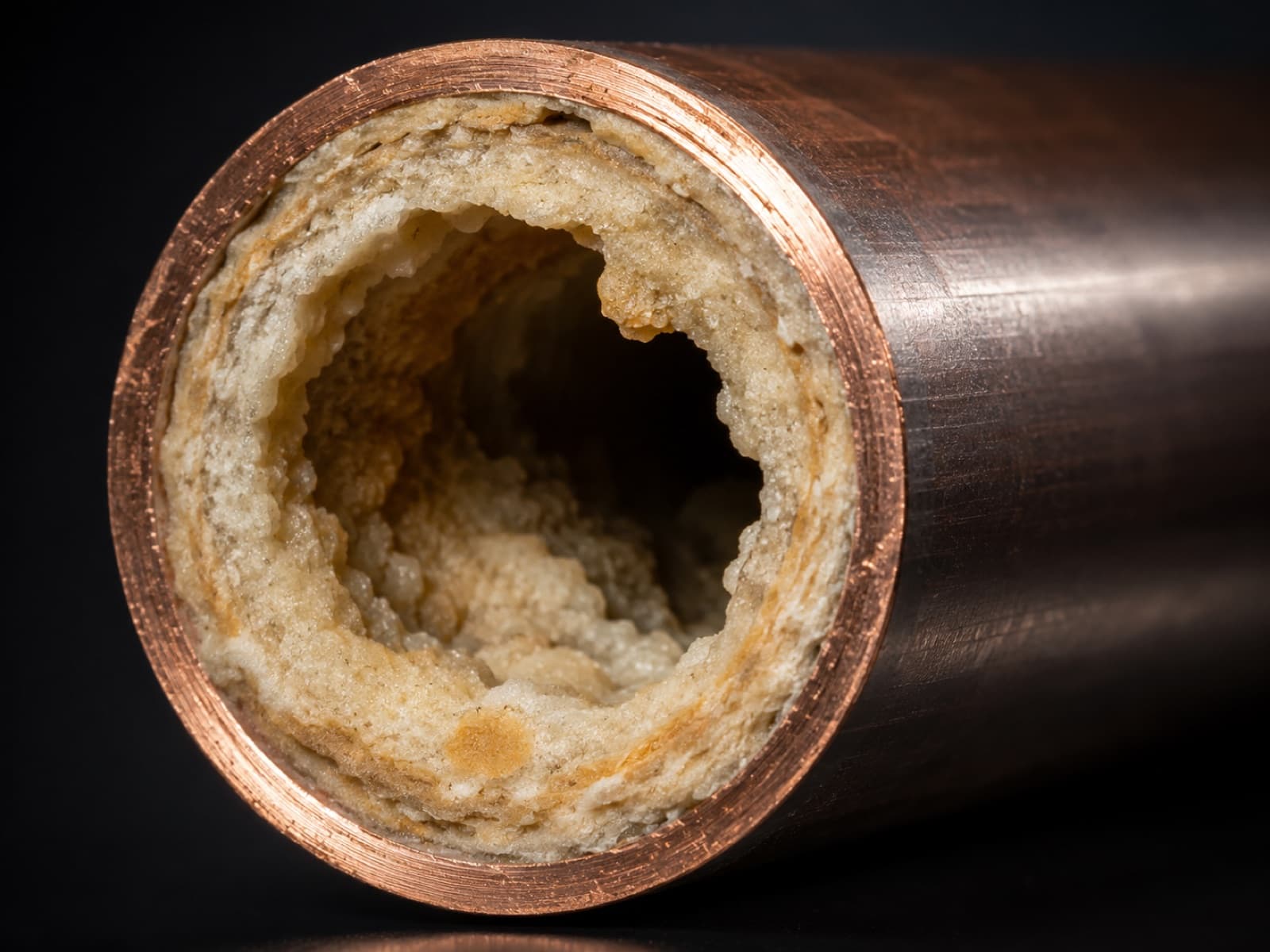
A different complaint from no heat at all: the water still gets hot, but you get five minutes instead of fifteen. That's usually sediment. Hawai'i's water carries enough dissolved mineral content that calcium and lime drop out as the water heats, settling into a hardening layer across the bottom of the tank. That layer takes up volume the tank was designed to fill with water, and on a gas unit it also insulates the burner from the water it's supposed to be heating, so the burner runs longer to accomplish less.
The tell-tale sign is sound. A tank with a serious sediment bed pops, rumbles, or crackles as it heats — that's water flashing to steam underneath the mineral layer and forcing its way out. Once you hear that regularly, the tank has been accumulating for years, not months, and it's also being stressed in a way that shortens its remaining life.
Flushing annually is the maintenance that prevents this, and it's genuinely worth putting on the calendar in a climate this hard on equipment. On a tank that hasn't been flushed in a decade, though, be careful: the drain valve on an old unit can fail to reseal once opened, and a hardened bed sometimes won't clear through a garden hose at all. Homes fighting persistent scale across every fixture, not just the heater, often do better addressing it upstream with a whole-home water softener than flushing the tank more often.
A less common cause of the same symptom is a broken dip tube — the plastic tube that carries incoming cold water to the bottom of the tank. When it cracks, cold water dumps in at the top and mixes straight into the outlet, so the hot supply runs out almost immediately even though the burner is working fine. Diagnosing it means comparing inlet and outlet temperatures, which is a service call.
Tankless and Solar Systems Fail in Their Own Ways
If you have a tankless unit, the first thing to do is read the display. These systems self-diagnose and show a numbered fault code, and the manual — or the manufacturer's site — will name the exact condition. That's far more useful than guessing. Two failures dominate here: scale accumulating inside the heat exchanger, which restricts flow and eventually triggers an overheat lockout, and a clogged inlet filter screen. Tankless heaters need descaling on a schedule, and in Hawai'i that interval is shorter than the manual's mainland assumption.
There's also a quirk worth knowing about tankless systems: they need a minimum flow rate to fire at all. If only hot water at a trickle comes out cold, but a fully opened tap runs hot, nothing is broken — the unit simply isn't seeing enough demand to ignite.
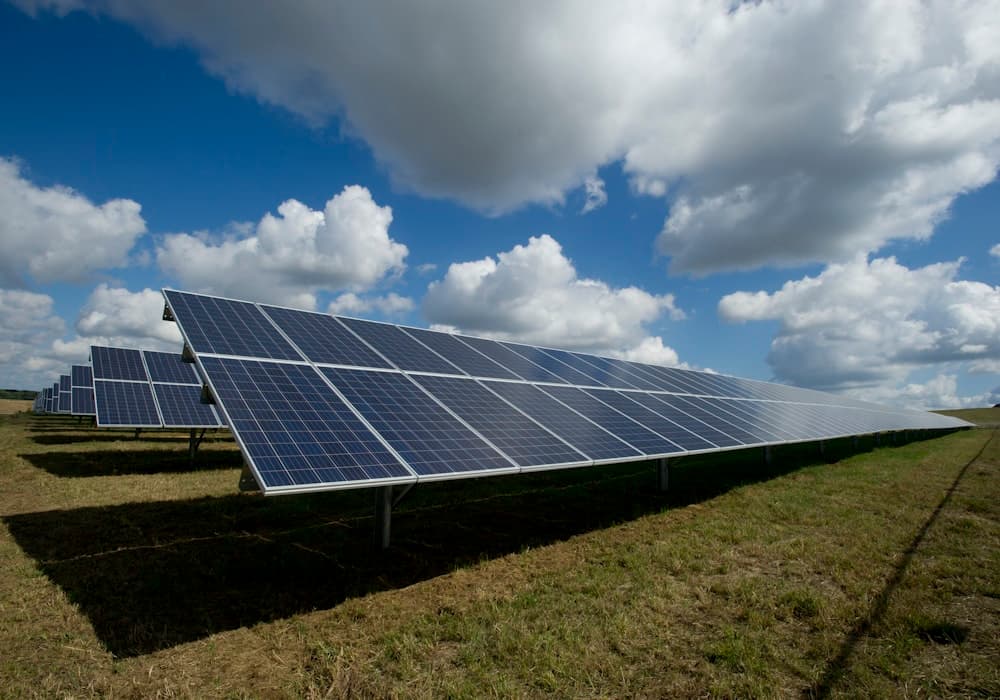
Solar systems, common across O'ahu thanks to years of rebate programs, have more moving parts. The panels themselves rarely fail. What fails is the circulating pump, the differential controller that decides when to run it, or the electric backup element in the storage tank. A run of overcast days plus a dead backup element produces exactly the 'no hot water' complaint even though the solar side is intact. If your system was installed under a rebate, check the Board of Water Supply rebate programs page — some equipment carries longer coverage than owners realize.
Salt air is the background factor in all of this. Homes near the shoreline in Hawai'i Kai, Kailua, or along the Wai'anae Coast see corrosion on fittings, mounting hardware, and exposed connections at a pace inland mainland homes never deal with. It's worth a visual look at those components before assuming the problem is internal.
Signs You Need Water Heater Repair, Not Another Reset
Stop troubleshooting and call a professional if you see water pooling around the base of the tank, rusty or brown hot water, a breaker that trips repeatedly, a reset button that won't stay in, or any smell of gas. Each of those points to a failure that gets worse — and in the case of a leaking tank, one that can end in a flooded garage or a soaked wall cavity. A tank that is actively leaking will not stop on its own; the corrosion causing it only spreads.
Age matters in the decision too. A conventional tank in this climate typically gives eight to twelve years. If a unit past the decade mark needs a significant part, replacement is usually the better spend, especially since a failure while nobody's home is expensive in ways a repair bill isn't. Our team handles diagnosis, repair, and replacement for tank, tankless, and solar systems across the island — see water heater services on O'ahu for what that covers. If the tank is already leaking and you need someone now, that's an emergency plumbing call, not a next-week appointment.
If you've worked through the power, gas, and thermostat checks above and still have no hot water, you've done the part a homeowner should do — and you've saved yourself and us time by ruling out the simple causes. Call Alpha Omega Plumbing at (808) 847-5414 and we'll get a tech out to diagnose it properly. Estimates are free, and we've been serving O'ahu homeowners since 2014.
Frequently Asked Questions
Why do I suddenly have no hot water in my house?
The most common causes are a tripped breaker or extinguished pilot light, a failed heating element or thermocouple, a tripped high-limit safety switch, or a thermostat knocked out of position. Check the breaker and pilot first — those are the two you can safely verify yourself. If the breaker trips again or the reset button won't hold, call Alpha Omega Plumbing at (808) 847-5414 rather than resetting it repeatedly.
How much does water heater repair cost in Hawaii?
It depends entirely on the fault — a thermocouple or heating element is a modest repair, while a failed gas control valve or a leaking tank is a different conversation. Hawaii labor and parts costs run above mainland averages, and equipment has to be shipped in, so online national figures tend to understate it. Alpha Omega Plumbing quotes in writing after diagnosis and estimates are free at (808) 847-5414.
Does Hawaii's water shorten a water heater's life?
Yes. Dissolved minerals drop out as water heats and form a hardening sediment layer in the tank, and salt air accelerates corrosion on fittings and exposed hardware for homes near the coast. Together they mean O'ahu heaters generally need flushing more often than the manufacturer's default schedule and tend toward the shorter end of the eight-to-twelve-year lifespan.
Can I relight the pilot light on my water heater myself?
Relighting a pilot using the instructions printed on your specific unit is reasonable for a homeowner. What isn't a DIY job is a pilot that won't stay lit, a breaker that trips again after resetting, any gas odor, or a tank leaking water — those need a professional. Alpha Omega Plumbing services water heaters across O'ahu at (808) 847-5414.
Learn more about our Water Heater Services services on Oʻahu
water heater services on O'ahu →Alpha Omega Plumbing Inc
Serving all of O'ahu since 2014.
More From the Blog
Need a Plumber on O'ahu?
Insured and available 24/7 for emergencies across the island.