

Tree Roots in Your Sewer Line: Warning Signs and Fixes
October 29, 2026 · Alpha Omega Plumbing Inc
Tree roots get into sewer lines through tiny cracks and loose joints, then grow into a dense mat that catches toilet paper and grease until the line backs up. The early warning signs are slow drains throughout the house, gurgling toilets and a backup in the lowest drain, usually a shower or floor drain. The lasting fix is to clear the roots, confirm the damage with a camera, and then seal or replace the damaged pipe so the roots can't come back. On O'ahu, where banyan, monkeypod and ficus trees grow fast all year and many homes still have older clay sewer pipe, tree roots in the sewer line are one of the most common reasons a main line fails.
How Roots Find Their Way Into Sewer Pipes
A sewer lateral, the pipe that carries everything from your house to the city main or your septic tank, is warm, wet and full of nutrients. Even a hairline crack lets a little moisture and vapor escape into the soil around it. Roots grow toward that moisture, find the opening and slip inside as hair-thin feeders.
Once inside, they have everything they need. The feeders thicken, branch out and form a root ball that can fill the pipe from wall to wall. Every flush that passes through leaves a little more paper and grease snagged in the roots, so the blockage keeps building even if the tree itself grows slowly.
Older pipe is the most vulnerable. Many homes built before the 1970s in neighborhoods like Kaimukī, Mānoa, Kalihi and Kailua still have vitrified clay sewer lines laid in short sections with mortar or gasket joints every few feet. Each joint is a possible entry point, and decades of settling soil open them a little wider. Cast iron that has rusted through and PVC with a cracked fitting can let roots in too.
Warning Signs of a Root-Clogged Sewer Lateral
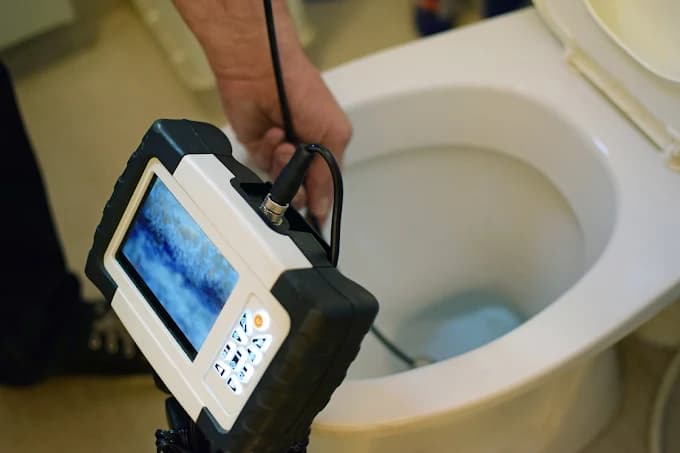
Root blockages rarely happen all at once. They usually announce themselves for weeks or months first. Watch for slow drains in more than one fixture at the same time, a toilet that gurgles when the washer drains, or water rising in the shower when you flush. Those point to the main line rather than a single clogged sink.
Other clues show up outside. A sewer smell near the cleanout, a soggy patch in the yard when it hasn't rained, or one stripe of grass that is greener than the rest can all mean wastewater is leaking from a cracked pipe. A clog that comes back every few months after being snaked is another strong sign, because cutting roots only trims them and they grow back thicker.
The only way to know for sure is to look. A video camera inspection sends a waterproof camera down the line and shows exactly where the roots are, how much of the pipe they fill and whether the pipe is cracked, offset or collapsed. That footage is what decides whether the line needs a cleaning or a repair.
Which O'ahu Trees Cause the Most Pipe Damage
Hawai'i's year-round growing season means roots never go dormant the way they do on the mainland. Banyan and other ficus trees are the worst offenders, with roots that can spread far beyond the canopy and push into anything holding water. Monkeypod trees are common in older yards and parks across O'ahu, and their wide, shallow roots often run right where a sewer lateral sits.
Mango, avocado, African tulip and large hedges planted along a property line can cause trouble too, especially when they are close to the house or the cleanout. Palms tend to have smaller, fibrous roots that are less damaging, though they will still take advantage of a joint that is already open.
If your sewer line runs under a big tree, a neighbor's tree or a thick row of hedges, it is worth having it checked before a backup forces the issue. Roots that get into the pipe from a neighbor's yard are still a problem in your line, since the lateral on your property is generally the owner's to maintain.
Clearing and Repairing Root Intrusion
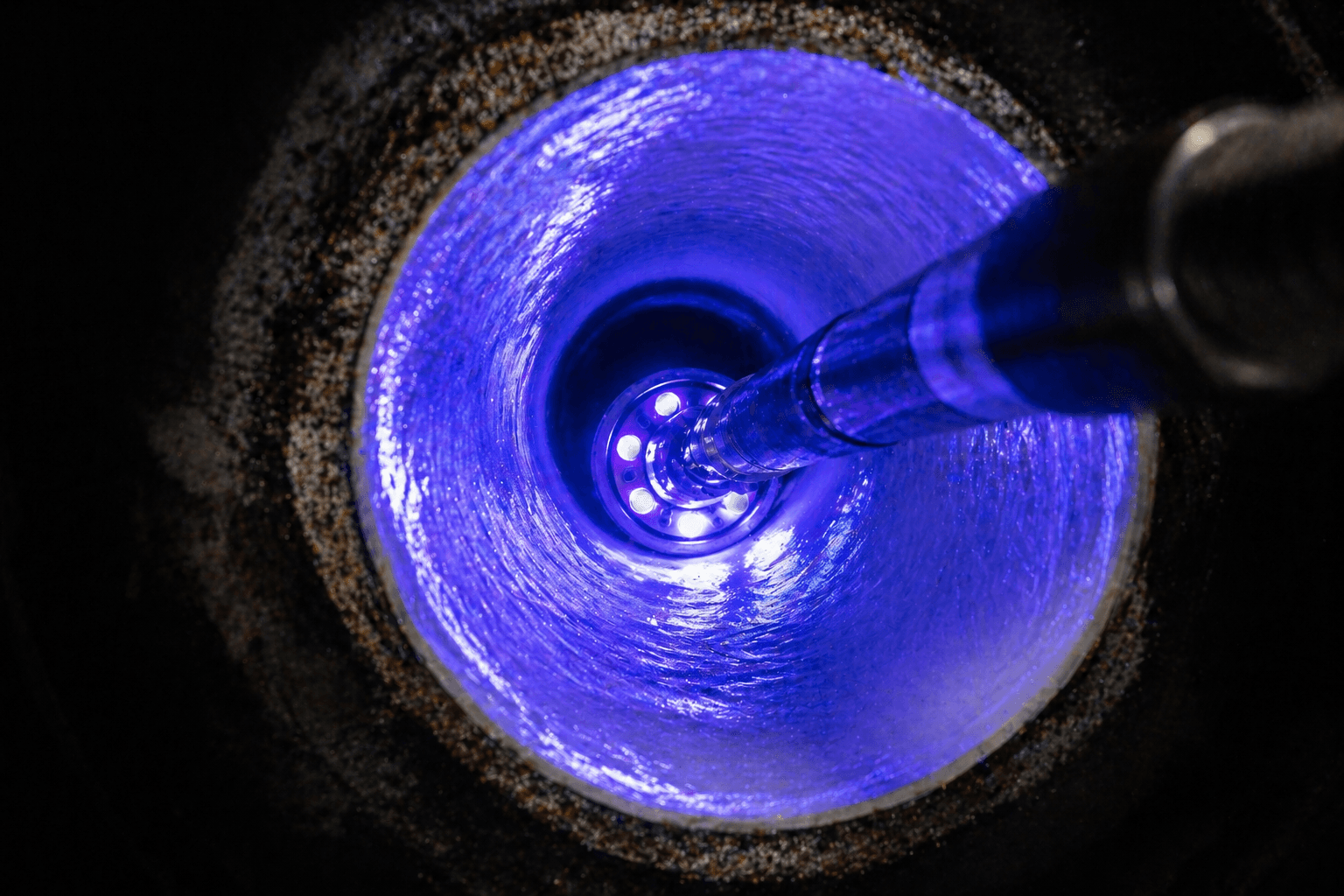
The first step is to open the line. A mechanical cutter on a cable can chew through a root ball and get water flowing again, and hydro jetting uses high-pressure water to scour the roots and the grease built up around them off the pipe walls. Jetting leaves the pipe cleaner, which also gives the camera a clear view of the damage underneath.
Clearing the roots is only half the job. If the camera shows cracked joints, the roots will be back within a year or two. For pipe that is still mostly intact, trenchless pipe lining cures a new seamless pipe inside the old one, sealing every joint and crack in one pass without digging up the yard, driveway or that prized monkeypod. For a line that has collapsed or sagged badly, pipe bursting or a traditional excavated repair replaces the damaged section outright.
Foaming root killers sold at hardware stores can slow regrowth for a while, but they don't close the openings the roots came through, and they won't clear a pipe that is already blocked. Treat them as maintenance at best, not a repair.
Keeping Roots Out Once the Line Is Fixed
Once the pipe is sealed, the easiest prevention is planning what you plant. Keep large trees well away from the sewer route, and choose smaller, less aggressive plants near the house and the cleanout. If you're not sure where the line runs, the camera inspection can locate it so you can mark it before landscaping.
For homes that keep the old pipe for now, a scheduled cleaning every year or two can keep roots trimmed before they cause a backup. A physical root barrier installed in the soil between a tree and the line can also steer new roots away from the pipe.
If your drains are slowing down across the house or you've had a root clog more than once, call Alpha Omega Plumbing at 808-847-5414. We serve homes across O'ahu with camera inspections, root clearing and sewer line repair, and we'll show you the footage so you can see exactly what's in your pipe before deciding on a fix.
Frequently Asked Questions
How do I know if tree roots are in my sewer line?
The surest way is a camera inspection, which shows the roots and the pipe damage directly. Common clues before that include slow drains in several fixtures, gurgling toilets, water backing up in the shower when you flush, and clogs that keep coming back after snaking.
How much does it cost to remove tree roots from a sewer line in Hawai'i?
The cost depends on how much root growth there is and whether the pipe needs repair after it's cleared. Clearing roots with a cutter or hydro jetting costs far less than lining or replacing a damaged section, and O'ahu labor rates run higher than the mainland. Call Alpha Omega Plumbing at 808-847-5414 for a free estimate based on camera footage of your line.
Why are tree roots such a problem for sewer lines on O'ahu?
O'ahu's warm climate keeps roots growing all year, and many older homes still have clay sewer pipe with joints every few feet. Fast-growing banyan, ficus and monkeypod trees send roots toward those joints, so root intrusion is a common cause of main line backups here.
Can I get rid of sewer line roots myself?
You can slow root growth with a foaming root treatment, but you can't fix the cracks that let roots in. A rented snake can also damage fragile clay pipe or get stuck in a root ball, so for a backup or a recurring clog it's best to call Alpha Omega Plumbing at 808-847-5414.
Will roots grow back after the sewer line is cleaned?
Yes, roots usually grow back within a year or two if the pipe is only cleaned and not repaired. Sealing the line with trenchless pipe lining or replacing the damaged section removes the openings, which stops the roots from returning.
Learn more about our Sewer Line Repair services on Oʻahu
sewer line repair →Alpha Omega Plumbing Inc
Serving all of O'ahu since 2014.

Need a Plumber on O'ahu?
Insured and available 24/7 for emergencies across the island.