
Solar Water Heater Not Getting Hot? Common Problems and Fixes
October 12, 2026 · Alpha Omega Plumbing Inc
When a solar water heater stops getting hot, the cause is usually one of five things: a circulating pump or controller that has quit, a failed temperature sensor, a backup element that is switched off or on the wrong timer, collectors that are shaded, dirty or full of scale, or a tank that loses its heat overnight. A few cloudy days on O'ahu can also leave you with lukewarm water, but if the sun is out and the shower is still cold, something in the system has stopped doing its job. Solar is the most common way homes here heat water, and it's the part of water heater repair we consider our specialty at Alpha Omega Plumbing. Here's how to narrow down the problem, what you can safely check yourself, and when to call (808) 847-5414.
How a Solar Hot Water System Works on an O'ahu Roof
Most systems on O'ahu homes have the same basic parts. Flat-plate collectors on the roof absorb the sun's heat. A small pump moves water or a heat-transfer fluid between those collectors and a large storage tank, usually in the garage or a utility closet. A differential controller compares a sensor on the collector with a sensor on the tank and runs the pump only when the roof is hotter than the tank. Inside the tank, an electric backup element tops up the temperature when the sun can't keep up.
That design matters when you're troubleshooting, because each part fails in its own way. A dead pump means the roof gets hot but the tank never does. A bad sensor can tell the controller to run at night or never run at all. A backup element that's switched off makes every cloudy stretch feel like a breakdown. Knowing which of these you're dealing with is the difference between a quick fix and replacing parts that were working fine.
Hawai'i has required solar water heating on most new single-family homes since 2010, so many houses built since then, plus plenty of older homes that added a system through a utility rebate, now have collectors that are ten or more years old. Age alone isn't a reason to replace one, but it does mean pumps, sensors and controllers are reaching the point where they start to fail.
Circulating Pump and Controller Failures
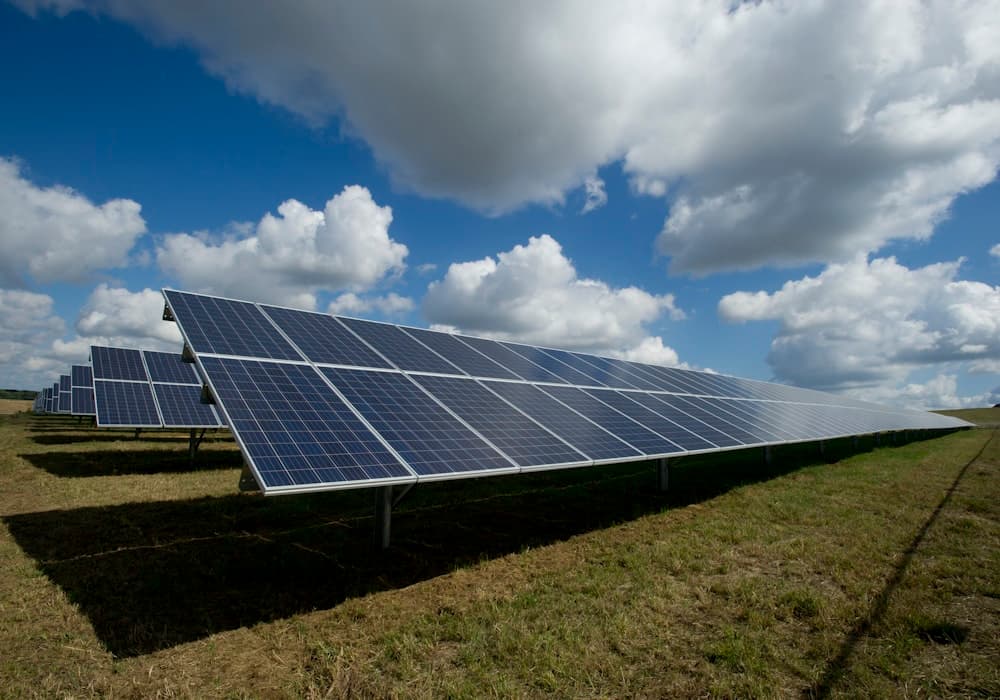
The pump and its controller are the most common reasons a solar system stops delivering heat. On a sunny afternoon, go to the tank and look at the controller, the small box mounted on or near it. Most have indicator lights or a display showing collector and tank temperatures and whether the pump is running. If the collector reads far hotter than the tank and the pump light is off, the controller isn't calling for the pump. If the pump light is on but you can't hear or feel the pump running, the pump itself has likely failed.
Sensors are the quieter culprit. The collector sensor sits on the roof in full sun and salt air for years, and its wiring runs through the attic or along the roofline. When a sensor reads wrong, the controller makes bad decisions: it may never start the pump, or it may run the pump at night and pull heat out of the tank and send it back up to cool collectors. A controller showing a collector temperature that makes no sense, such as the same reading as the tank at noon, points to a sensor or wiring problem.
Checking for a tripped breaker or an unplugged controller is fine to do yourself. Testing sensors, replacing a pump, or opening the controller is work for someone who services these systems regularly, because the loop can be under pressure and the water coming off the roof can be scalding.
Collector Problems: Shade, Dirt, Scale and Leaks
Collectors only work as well as the sunlight reaching them. A mango or monkeypod tree that was small when the panels went up can shade them for half the day ten years later. Salt spray, dust, volcanic haze and bird droppings build up on the glass and cut how much heat gets through, especially on homes near the shoreline in Kailua, Hawai'i Kai or 'Ewa Beach. Trimming back shade and rinsing the glass from a safe spot often brings back noticeable heat.
Many O'ahu systems are direct, or open-loop, designs that send household water straight through the collectors. With our mineral-heavy water, that means scale can build up inside the narrow collector tubes over the years, the same way it does inside a tank, and restrict flow until the panel barely contributes. Collectors can also develop small leaks at fittings or seams; a damp stain on the ceiling below the panels, or water dripping off the eaves on a dry day, deserves attention before it becomes roof damage.
Backup Element and Timer Settings That Leave You Cold
Every solar tank has a backup, usually an electric element near the top of the tank, and it's often the simplest fix. To save on electricity, many homeowners or installers put the element on a timer, or switch it off entirely. That works through a sunny summer, but during a run of cloudy or rainy weather, or a holiday with a full house, the solar side can't keep up and nothing makes up the difference.
Check the breaker that feeds the element, and check any timer near the tank to make sure its clock is right and it's set to run for a while in the late afternoon, before evening showers. If the element is on, the breaker holds, and the water is still cold even after a few hours, the element or its thermostat may have burned out. That's the same failure we cover in our no hot water troubleshooting guide, and it's a straightforward repair.
Why the Tank Loses Heat Overnight
If the water is hot at dinner but lukewarm by morning, heat is escaping somewhere. One common cause is a failed check valve. In a direct system, that valve stops hot water in the tank from slowly flowing back up to the collectors once the sun goes down. When it sticks open, the tank warms the roof all night instead of the other way around.
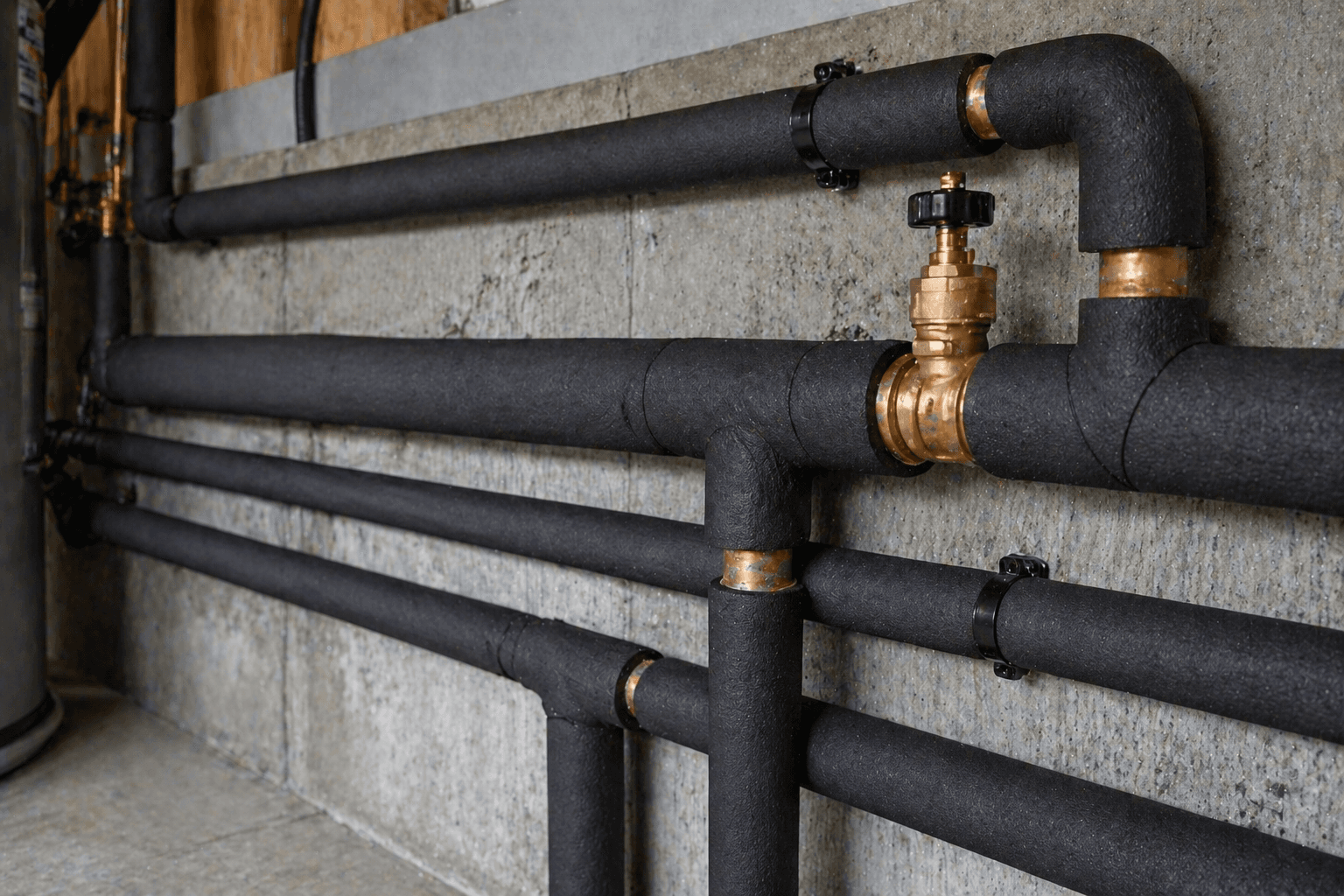
The other is the insulation on the pipes running between the roof and the tank. Hawai'i's sun breaks down exposed foam insulation, and after a few years it can crack, crumble or fall off entirely, leaving bare copper losing heat along the whole run. Replacing worn lagging with UV-resistant pipe insulation is inexpensive and helps the system hold the heat it collects.
Getting Your Solar System Serviced on O'ahu
A well-maintained solar system can last 20 years or more, and in most cases a cold tank means one part has failed, not the whole system. Having a technician look at it every couple of years to test the controller and sensors, check the pump, look for scale and leaks, and flush the tank catches small problems early. Our guide to water heater maintenance covers the tank side of that care.
If you've checked the breakers and the timer and the sun is out but your water still isn't hot, call Alpha Omega Plumbing at (808) 847-5414. We've been servicing solar water heaters across O'ahu since 2014, from Mililani to Kāne'ohe, and we'll tell you honestly whether it's a repair or time to replace.
Frequently Asked Questions
Why is my solar water heater not getting hot?
The most common causes are a failed circulating pump or controller, a bad temperature sensor, a backup element that is switched off or on the wrong timer, or collectors that are shaded, dirty or scaled up. If the sun is out and the controller shows a hot collector but the tank stays cool, the pump or controller is the likely problem.
How much does solar water heater repair cost in Hawaii?
Most solar water heater repairs on O'ahu, such as replacing a pump, sensor, controller or backup element, cost far less than a new system, though Hawai'i labor and parts run higher than on the mainland. Alpha Omega Plumbing offers free estimates at (808) 847-5414 so you know the price before any work starts.
Should my solar water heater work on cloudy days?
A solar water heater collects much less heat on cloudy days, so the backup element is meant to make up the difference. If your water goes cold every time O'ahu has a gray stretch, check that the backup element is switched on and that its timer runs before your household's peak hot water use.
How long does a solar water heater last on O'ahu?
Solar collectors commonly last 20 years or more, while the storage tank, pump and controller usually need replacing sooner. Salt air, strong sun and hard water all shorten component life here, which is why regular servicing matters.
Can I fix a solar water heater myself?
You can safely check the breakers, the backup element timer and whether the controller and pump have power, and you can trim shade away from the collectors. Pump, sensor, controller and collector repairs involve hot water, pressure and rooftop work, so call Alpha Omega Plumbing at (808) 847-5414 for those.
Learn more about our Water Heater Repair & Installation services on Oʻahu
water heater repair →Alpha Omega Plumbing Inc
Serving all of O'ahu since 2014.
More From the Blog
Need a Plumber on O'ahu?
Insured and available 24/7 for emergencies across the island.