
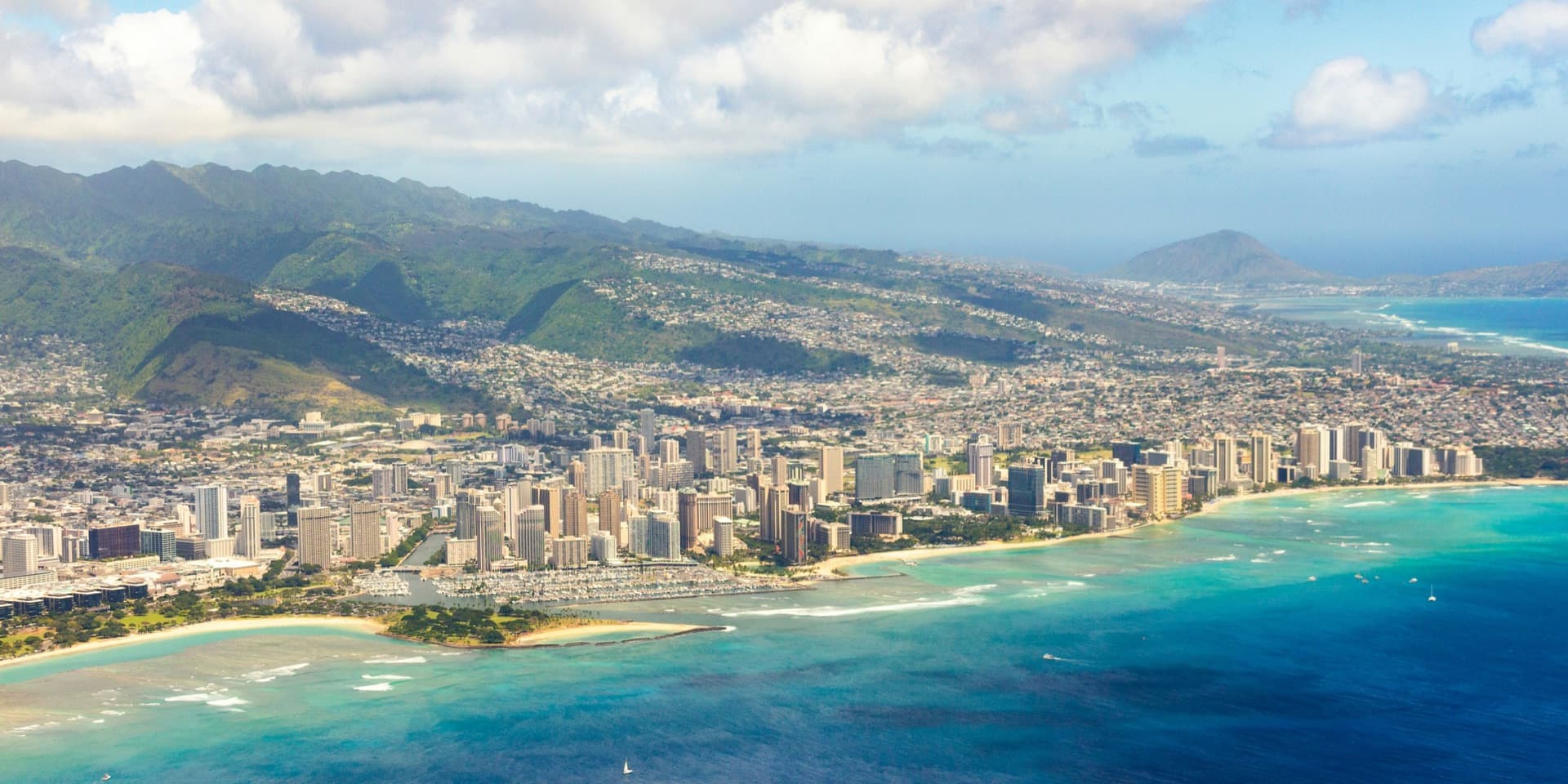
Hawai'i's 2050 Cesspool Deadline: What O'ahu Homeowners Need to Know
October 8, 2026 · Alpha Omega Plumbing Inc
Every cesspool in Hawai'i has to be replaced by 2050. That's the requirement of Act 125, passed by the state legislature in 2017, and it applies to homes on O'ahu the same as everywhere else in the islands. If your house isn't on the city sewer and was built before the newer septic rules, there's a real chance it drains to a cesspool, and at some point between now and 2050 it will need to be connected to sewer or replaced with a septic tank or another approved treatment system. Here's what the law asks of homeowners, why the state is doing it, what your options look like, and why planning early usually costs less than waiting.
What Act 125 Requires From O'ahu Cesspool Owners
Act 125 sets a single statewide deadline: all cesspools must be upgraded, converted or connected to a sewer system by 2050. It also directed the Hawai'i Department of Health to rank cesspools by how much risk they pose, so the state could focus attention where the damage is greatest. The Department of Health's cesspool page lays out those priority categories, from areas where cesspools threaten drinking water or drain to sensitive coastal waters down to areas with lower immediate risk.
For a homeowner, the practical takeaway is simple. 2050 is the outside date, not the target. If your property sits in a higher-priority area, near a shoreline, a stream, or a drinking-water source, expect more attention from the state sooner, and expect buyers and lenders to ask about it if you sell. A cesspool that fails before then has to be replaced anyway, and an emergency replacement is never the cheapest way to do it.
Why Hawai'i Is Phasing Out Cesspools
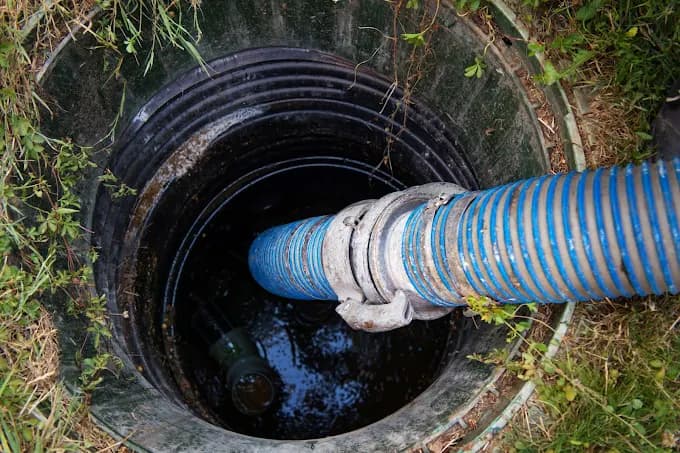
A cesspool is just a pit. Wastewater from the toilets, showers and kitchen drains into it and soaks into the surrounding ground with no real treatment. According to the Department of Health, there are about 88,000 cesspools in the state, more than 11,000 of them on O'ahu, and together they release roughly 53 million gallons of untreated sewage into the ground every day.
On an island, that water doesn't go far before it reaches groundwater, streams and the ocean. The bacteria and nutrients in untreated wastewater are linked to closed beaches, algae on the reef, and contamination of the drinking water Hawai'i depends on. Most of the mainland stopped allowing new cesspools decades ago. Hawai'i has more of them than any other state, which is why the legislature set a firm end date instead of waiting for them to fail one at a time.
On O'ahu, cesspools are most common in neighborhoods the sewer system never reached: parts of Waimānalo, the North Shore, the Windward side from Kahalu'u up toward Kahuku, and stretches of the Wai'anae coast. If you're not sure which you have, our post on whether your O'ahu home has septic or sewer walks through how to find out.
Cesspool Conversion Options: Sewer, Septic Tank or Aerobic Unit
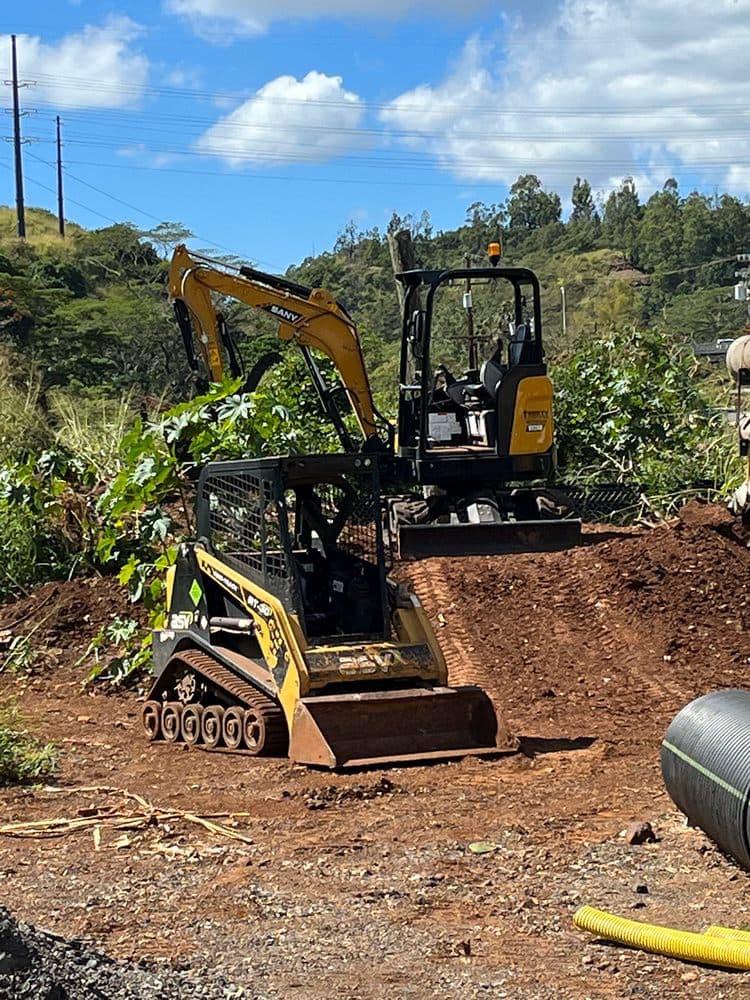
There are three main ways to get rid of a cesspool, and which one fits depends mostly on where your house sits. If a city sewer main runs in front of your property, connecting to it is usually the cleanest long-term answer. The old cesspool gets pumped out and filled, and a new lateral runs from the house to the sewer.
Where there's no sewer nearby, the usual replacement is a septic system: a watertight tank that settles out solids, plus a leach field or absorption bed that lets the treated water soak into the soil. Lot size, soil type, slope and how close you are to the water table and the shoreline all affect how big that field has to be and where it can go. On tight or coastal lots, an aerobic treatment unit, which uses air to break down waste far more thoroughly before discharge, is often the system that fits when a standard septic field won't.
Every option needs a system designed for your lot and approved by the Department of Health's Wastewater Branch before work starts. Our septic system services cover the site work, tank installation and the cesspool closure itself, and we can walk you through what your property is likely to need.
What Drives the Cost of Replacing a Cesspool
There's no single price for a conversion, because the job varies so much from one lot to the next. Sewer connections depend on how far the main is from the house and how deep the line has to run. Septic installations depend on soil conditions, how much digging and rock removal the lot needs, access for equipment, and the size of the leach field. Aerobic units cost more up front and need regular service. Most conversions run into the tens of thousands of dollars, which is exactly why it pays to plan rather than react.
The Department of Health keeps a page of financial support programs for cesspool conversion, including a new loan program from the 2026 legislative session. Programs change, so check what's current before you budget. In the meantime, keeping your existing cesspool pumped on schedule through our wastewater pumping service helps it hold up until you're ready to convert.
Planning Your Cesspool Upgrade Before It Becomes Urgent
The homeowners who come out ahead are the ones who treat 2050 as a planning date. Find out what you have, find out whether sewer is available on your street, and get a rough idea of what your lot will need. That gives you years to save, watch for funding programs, and schedule the work when it suits you, rather than when a backed-up cesspool decides for you.
Alpha Omega Plumbing has served O'ahu homeowners since 2014, and cesspool pumping and septic work are a big part of what we do. If you'd like us to look at your property and talk through your options, call (808) 847-5414 for a free estimate.
Frequently Asked Questions
When do cesspools have to be replaced in Hawaii?
All cesspools in Hawai'i must be upgraded, converted or connected to sewer by 2050 under Act 125, passed in 2017. Properties in higher-priority areas near drinking water or the shoreline may face attention sooner, so it's worth planning well ahead of the deadline.
How do I know if my O'ahu home has a cesspool?
Check your property records or disclosure documents, or look for a large concrete lid in the yard with no separate tank and drain field. If your home isn't billed for sewer service, it drains to a cesspool or septic system, and Alpha Omega Plumbing can locate and identify it for you.
How much does it cost to convert a cesspool?
Most cesspool conversions in Hawai'i cost tens of thousands of dollars, depending on whether sewer is available, the soil, the lot size and access. Call Alpha Omega Plumbing at (808) 847-5414 for a free estimate based on your actual property.
Do I have to replace my cesspool before I sell my house?
Act 125 sets 2050 as the deadline and doesn't by itself require conversion at the time of sale. Buyers, lenders and inspectors increasingly ask about cesspools, though, so a planned conversion or a clear estimate can make a sale go more smoothly.
Can I keep using my cesspool until 2050?
Yes, as long as it's working properly, but it needs regular pumping and attention. A cesspool that overflows or fails before 2050 has to be replaced at that point, which is why many O'ahu homeowners choose to convert on their own schedule.
Learn more about our Septic System Services services on Oʻahu
septic system services →Alpha Omega Plumbing Inc
Serving all of O'ahu since 2014.
Need a Plumber on O'ahu?
Insured and available 24/7 for emergencies across the island.