

How Much Water Does a Running Toilet Really Waste?
October 1, 2026 · Alpha Omega Plumbing Inc
A running toilet wastes anywhere from a few dozen gallons a day for a slow, silent flapper leak to well over a thousand gallons a day when the fill valve sticks open and water pours straight down the overflow tube. The U.S. EPA puts a typical leaky toilet at about 200 gallons a day, which is enough to add thousands of gallons to a single month's bill. On O'ahu, where you pay for that water and usually for the sewer charge tied to it, a toilet that won't stop running is one of the most expensive small problems in the house. Here's how much each kind of leak costs, how to find one in five minutes, and when the fix is a part versus a new toilet.
Gallons Lost to a Leaky Toilet, by Type of Leak
Not every running toilet wastes the same amount, and the type of leak tells you a lot about the cost. The quietest kind is a flapper that no longer seals tightly against the flush valve. Water seeps from the tank into the bowl a little at a time, and every so often the tank level drops far enough that the fill valve kicks on for a few seconds to top it up. Plumbers call that a phantom flush. A slow seep like this may only lose 30 to 50 gallons a day, but it runs around the clock and most people never hear it.
A flapper that is badly warped, or a chain that holds it slightly open, lets water through fast enough that the fill valve runs most of the time. This is the classic toilet you can hear hissing from the hallway, and it is the range the EPA's Fix a Leak Week guidance describes: roughly 200 gallons a day, or about 6,000 gallons a month. For perspective, the EPA estimates an average American family uses around 300 gallons a day at home, so one leaky toilet can quietly add the equivalent of another two-thirds of a household.
The worst case is a fill valve that won't shut off. If the float is set too high or the valve has failed, water keeps entering the tank and spills straight down the overflow tube into the bowl. Even a modest flow of one gallon a minute works out to 1,440 gallons a day, and a fully open valve can move more than that. That is the kind of leak that produces the bill people call us about in disbelief.
The Food Coloring Dye Test for Silent Flapper Leaks
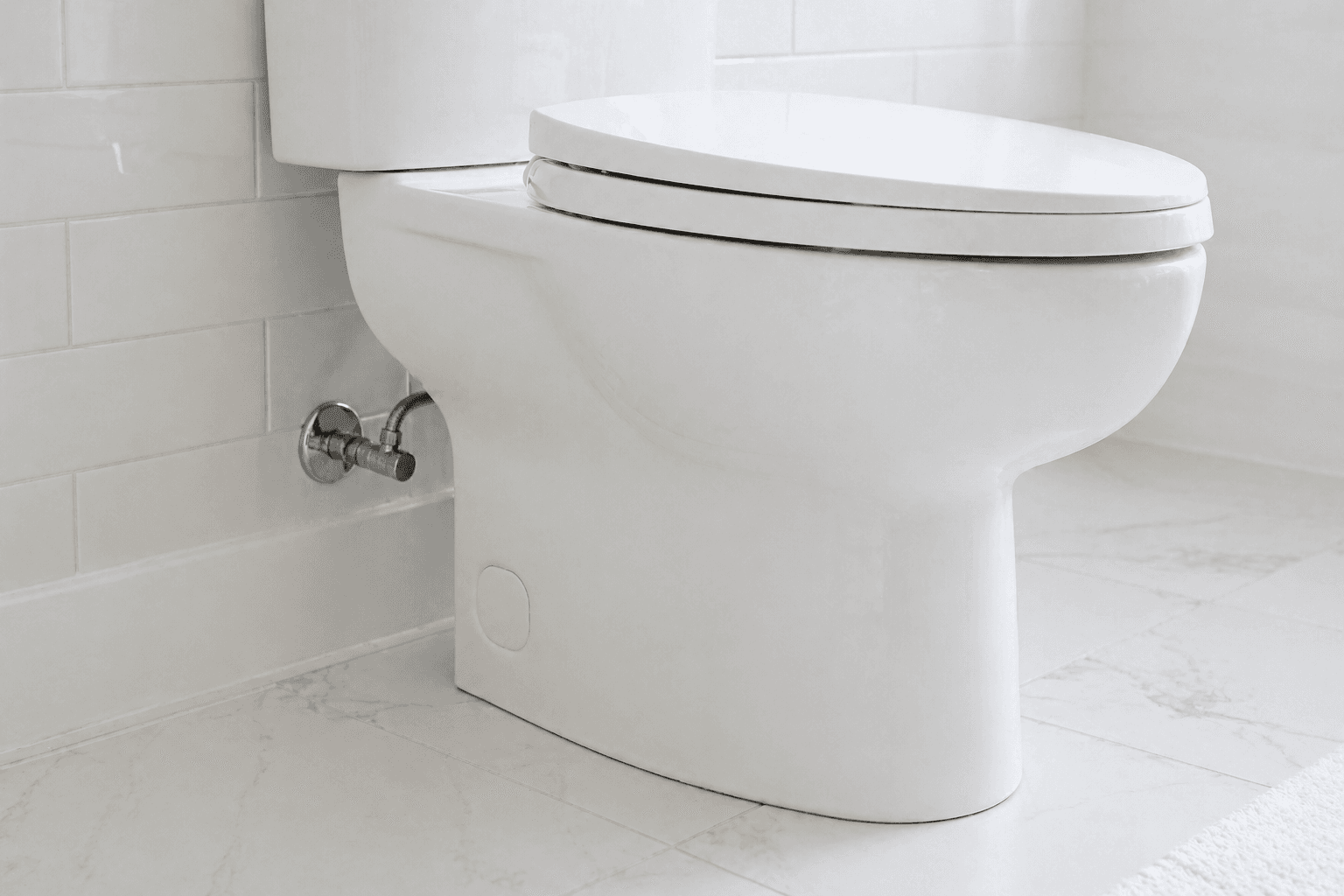
You don't need tools to find out whether a toilet is leaking. Take the lid off the tank and add ten or so drops of dark food coloring, or a toilet dye tablet from the hardware store. Put the lid back and don't flush for 15 to 30 minutes. If any color shows up in the bowl, water is getting past the flapper. If the bowl stays clear, the flapper is sealing.
While the lid is off, look at the water level. Most tanks have a fill line stamped on the inside wall, and the water should sit at that mark, roughly an inch below the top of the overflow tube. If the water is at the rim of the tube or trickling into it, the problem is the fill valve or float setting, not the flapper, and the dye test won't catch it.
Do this for every toilet in the house, including the guest bath and the one in the pool house or ʻohana unit that nobody uses. Rarely used toilets are the ones most likely to have a dried-out, stiff flapper. If every toilet passes and your bill still looks high, the leak is somewhere else, and that is where professional leak detection earns its keep, especially for lines under a slab or buried in the yard.
Why a Toilet Tank Keeps Refilling: Flapper, Fill Valve and Chain
Three parts account for nearly every running toilet. The flapper is a rubber seal that lifts when you flush and drops back onto the flush valve seat to close the tank. Over a few years the rubber stiffens and warps, and mineral buildup on the seat leaves gaps it can't close. A new flapper is inexpensive, but it has to match the toilet. Many newer toilets use a 3-inch flush valve or a canister-style seal, and a generic 2-inch flapper on the wrong valve will leak from day one.
The fill valve refills the tank after each flush and is supposed to shut off when the float rises to the set level. If the float is adjusted too high, water runs into the overflow tube. If the valve itself is worn or has grit in its seal, it can drip or run continuously even with the float set correctly. Adjusting the float is a one-minute job; replacing the valve is a little more involved.
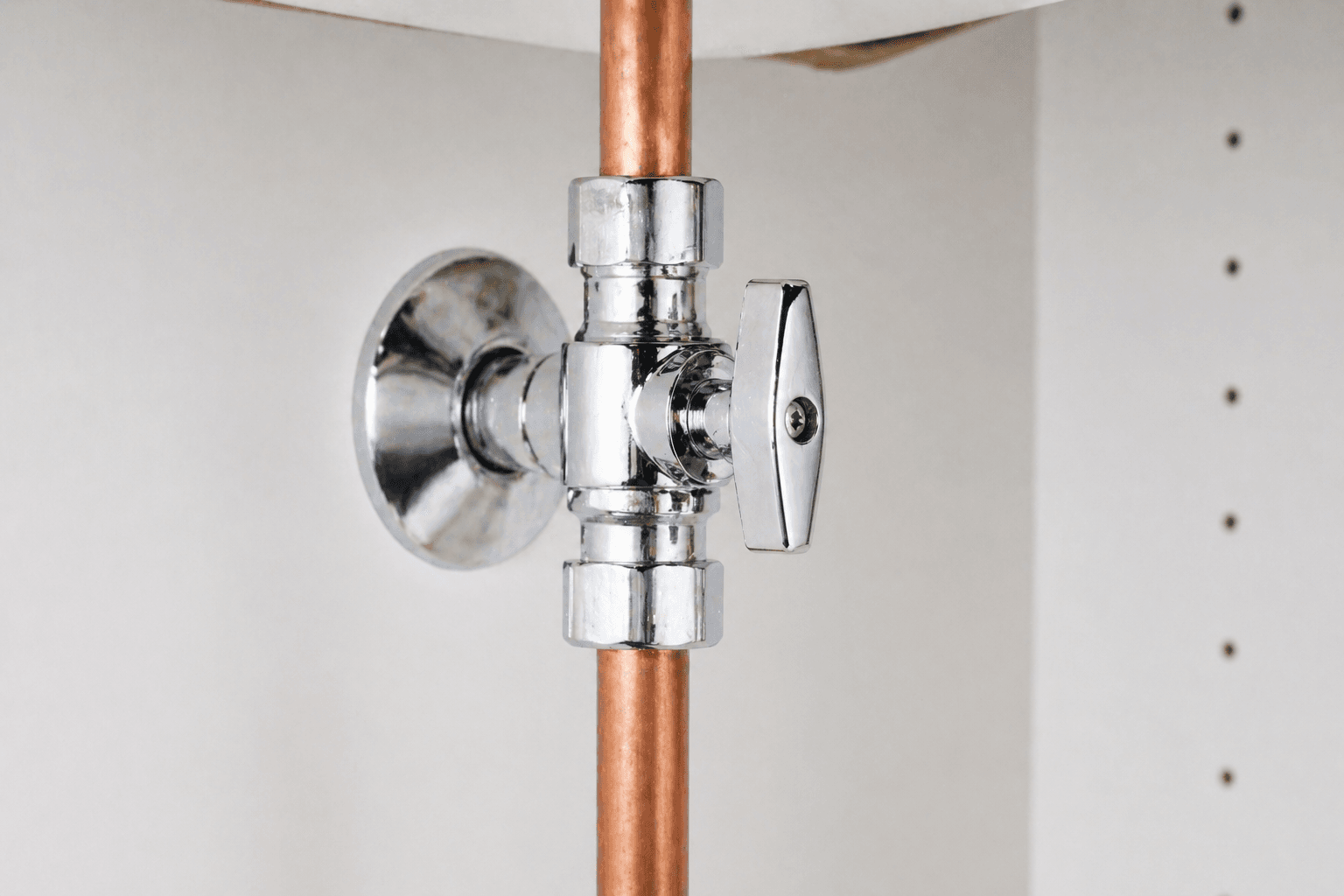
The chain is the simplest culprit. Too short, and it holds the flapper slightly open. Too long, and the slack can get trapped under the flapper when it closes. You want a little slack, about half an inch, with the flapper able to drop flat. Before working on any of these parts, close the shutoff valve on the supply line behind the toilet and flush to empty the tank. If that valve is crusted, won't turn, or weeps when you move it, stop there. Older stop valves on O'ahu homes often fail when disturbed, and replacing one is a job worth leaving to a plumber.
What Toilet Water Waste Costs an O'ahu Household
Honolulu water isn't cheap, and on a home connected to the city sewer the sewer charge is calculated largely from metered water use. A gallon that runs through a leaky toilet is effectively billed twice, once as water and again as wastewater, even though it never did anything useful. That is why a toilet leak that would be a minor annoyance on the mainland can stand out on a Honolulu, Kailua or Pearl City bill.
Homes on a septic system or cesspool, common in parts of the Windward side, the North Shore and Waimānalo, pay in a different way. Every gallon that runs down the toilet goes into the tank, and a steady flow of clean water pushes effluent out to the leach field faster than it was designed to handle. Over months, that can shorten the time between pumpings and stress a drainfield that is already working hard in wet weather.
There is also the island itself. O'ahu's drinking water comes from groundwater aquifers that recharge slowly from rain, and the Board of Water Supply regularly asks residents to conserve during dry stretches. Fixing a running toilet is one of the easiest ways for a household to do that without changing anything about how it lives.
When to Repair the Flapper and When to Replace the Toilet
If the toilet is relatively modern and the leak is a flapper, chain or float adjustment, a repair is almost always the right call. The same goes for a fill valve on a toilet that is otherwise in good shape. These are quick fixes that stop the waste immediately.
Replacement makes more sense when the toilet is from before the mid-1990s, when the tank or bowl is cracked, when the flush valve seat itself is pitted and won't seal even with a new flapper, or when the toilet needs repeated repairs. An old 3.5-gallon toilet that also leaks is wasting water twice over, and a WaterSense model at 1.28 gallons per flush fixes both problems. The Honolulu Board of Water Supply offers rebates on qualifying water-efficient toilets, and our guide to whether low-flow fixtures are worth it in Hawaii runs the savings math on the upgrade.
If your toilet keeps running after a new flapper, the shutoff valve won't budge, or you'd rather not take the tank apart yourself, Alpha Omega Plumbing has handled toilet repair and installation across O'ahu since 2014. We'll find which part is failing, fix it or give you a straight answer on replacement, and check the rest of the bathroom while we're there. Call (808) 847-5414 for a free estimate.
Frequently Asked Questions
How much water does a running toilet waste per day?
A running toilet typically wastes about 200 gallons a day, according to the EPA. A slow, silent flapper leak may lose only 30 to 50 gallons a day, while a fill valve stuck open can waste well over 1,000 gallons a day. Any of them is worth fixing promptly.
How do I know if my toilet is leaking if I can't hear it?
Put a few drops of food coloring in the tank and wait 15 to 30 minutes without flushing. If color appears in the bowl, the flapper is leaking. Also check whether water is running into the overflow tube, which points to the fill valve instead.
How much does it cost to fix a running toilet on O'ahu?
Most running toilets are fixed with a new flapper, fill valve or chain adjustment, which is one of the less expensive plumbing repairs. Prices in Hawai'i run higher than on the mainland because parts and labor cost more here. Call Alpha Omega Plumbing at (808) 847-5414 for a free estimate before any work starts.
Does a running toilet affect my sewer bill in Honolulu?
Yes, on most homes connected to the city sewer. The sewer charge is based largely on metered water use, so water lost through a leaking toilet is effectively paid for twice. On a septic system, the extra water goes into the tank and leach field instead.
Should I fix a running toilet myself or call a plumber?
You can usually fix it yourself if the problem is a flapper, chain or float adjustment and the shutoff valve behind the toilet works. Call a plumber if the valve is stuck or leaking, the toilet still runs after a new flapper, or the tank or bowl is cracked. Alpha Omega Plumbing handles toilet repairs island-wide at (808) 847-5414.
Learn more about our Toilet Repair & Installation services on Oʻahu
toilet repair and installation →Alpha Omega Plumbing Inc
Serving all of O'ahu since 2014.
More From the Blog
Need a Plumber on O'ahu?
Insured and available 24/7 for emergencies across the island.