
Low-Flow Fixtures: Are They Worth It in Hawaii?
August 20, 2026 · Alpha Omega Plumbing Inc
For most O'ahu homes, yes — but the honest answer depends on what you're replacing and what your plumbing looks like behind the wall. Swapping a 1990s toilet for a modern 1.28-gallon model is one of the best returns available to a Hawai'i homeowner, especially with a Board of Water Supply rebate covering part of the cost. Swapping a perfectly good 2.5 GPM showerhead in a house that already struggles for pressure is a different story. Here's what these upgrades actually save on a Honolulu bill, where they fall flat, and how to tell which category your house is in.
What the WaterSense Label Actually Guarantees
Not every fixture marketed as water-saving has been tested. The WaterSense label is an EPA certification, and the distinction matters because it certifies performance, not just flow rate. A showerhead can hit 2.0 gallons per minute by simply choking the opening — that's a restrictor, and it's why efficient fixtures got a bad reputation in the 1990s. To carry the WaterSense mark, that same showerhead has to deliver a minimum spray force and coverage across the whole spray area at the reduced flow. The engineering goes into the nozzle pattern and aeration, so the water arrives faster and better distributed rather than just thinner.
The thresholds are worth knowing before you shop. Toilets qualify at 1.28 gallons per flush or less, against the 1.6 gpf federal standard and the 3.5 to 7 gallons a pre-1994 toilet uses. Showerheads qualify at 2.0 GPM or less, against a 2.5 GPM standard. Bathroom faucets qualify at 1.5 GPM. Those are the same thresholds the Honolulu Board of Water Supply uses to decide what it will pay a rebate on, so certification and rebate eligibility line up almost exactly.
The practical takeaway: buy the label, not the marketing copy. An uncertified 'eco' showerhead off a big-box shelf may perform fine or may be a restrictor plate in a chrome housing, and it won't qualify for a rebate either way. Check BWS.net for the current eligible product list before you buy anything — that list changes, and a fixture bought a year ago on last year's list is a common reason a rebate application gets denied.
Older O'ahu Homes, Weak Pressure, and When an Efficient Showerhead Disappoints
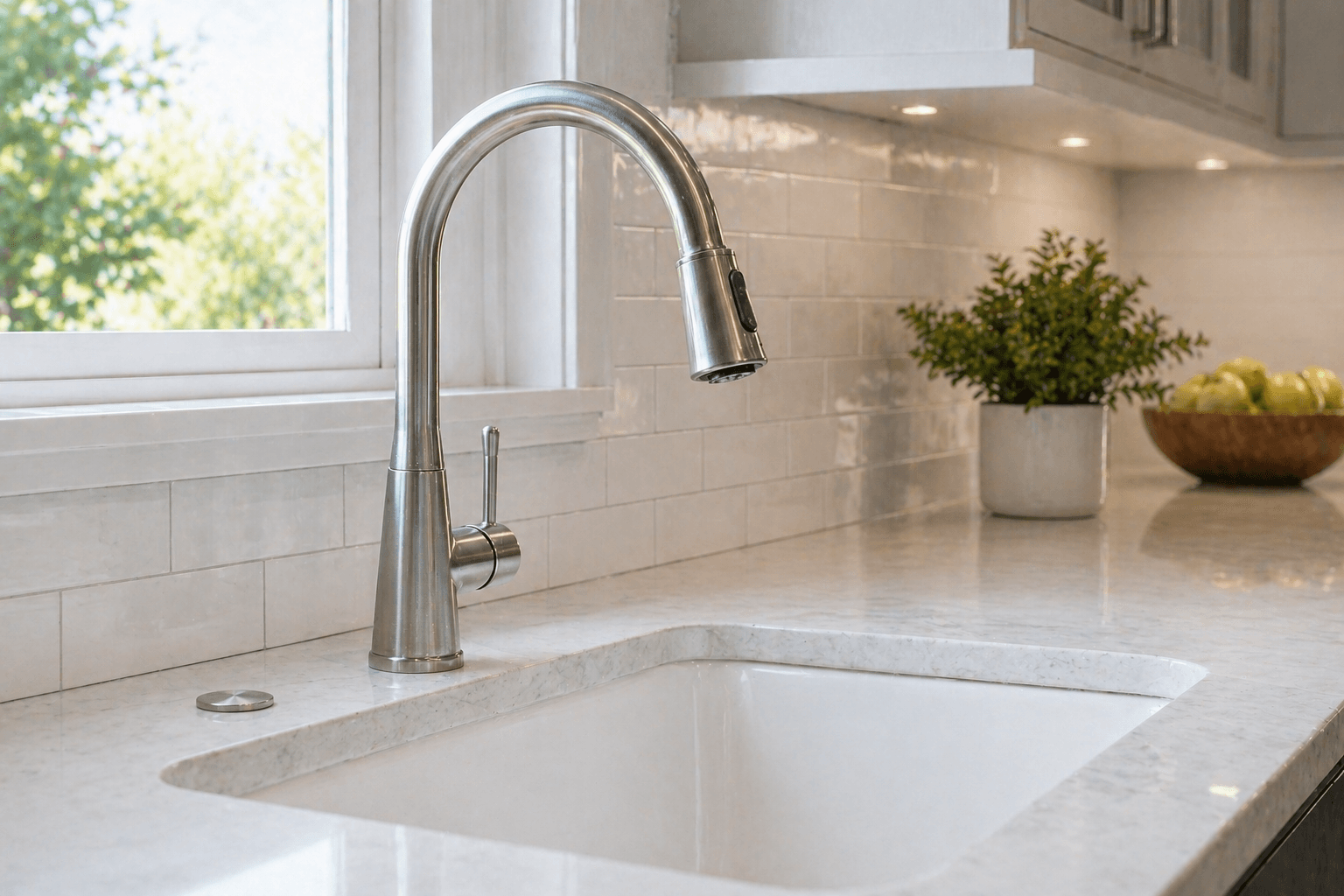
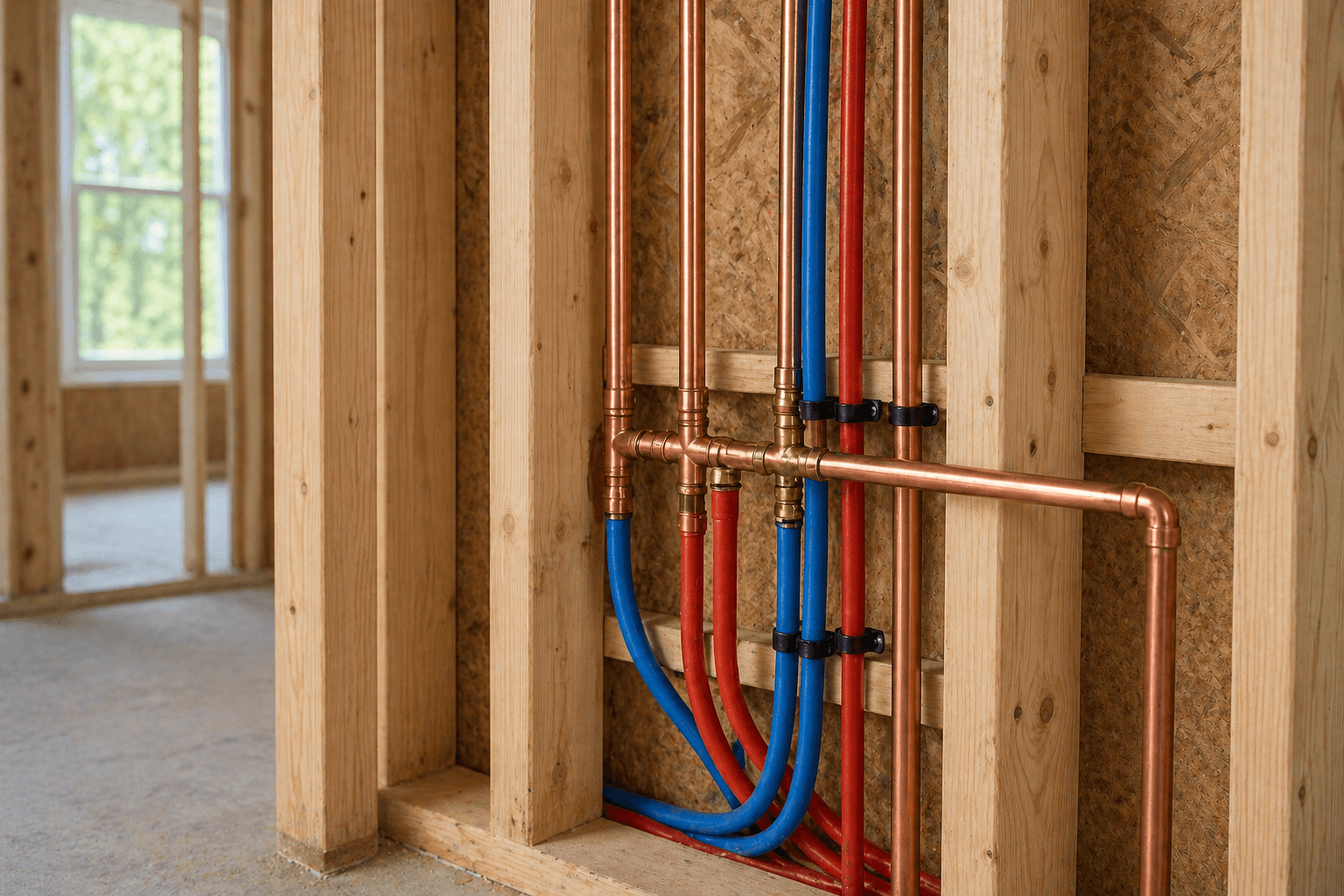
This is the caveat nobody selling fixtures mentions. A reduced-flow showerhead assumes your house delivers normal pressure to begin with. Plenty of O'ahu homes don't. Galvanized supply lines from the plantation era and mid-century tract housing corrode inward over decades, and our mineral-heavy water accelerates the scale that builds on top of that corrosion. By the time a half-inch galvanized line has been in the ground for sixty years, the effective opening can be closer to a quarter inch. Put a 1.75 GPM head on that line and the shower goes from mediocre to genuinely unpleasant.
The same math applies to homes on the upper edge of a service area, older buildings with undersized risers, and second-story bathrooms where gravity is already working against you. In those cases the fixture isn't the problem and swapping it won't fix anything — the supply is the problem. A pressure reading and a look at what your lines are actually made of will tell you in one visit, and if corroded galvanized piping is the culprit, repiping the house solves the pressure complaint and the discolored-water complaint at the same time.
If your pressure is healthy, the opposite is true: a good WaterSense head is often indistinguishable from what you had, and some are better, because the aeration produces a fuller spray than an old fixture whose nozzles are half-blocked with mineral deposits. That's the honest split. Test your pressure before you decide, not after.
What a High-Efficiency Toilet Saves on a Honolulu Water Bill
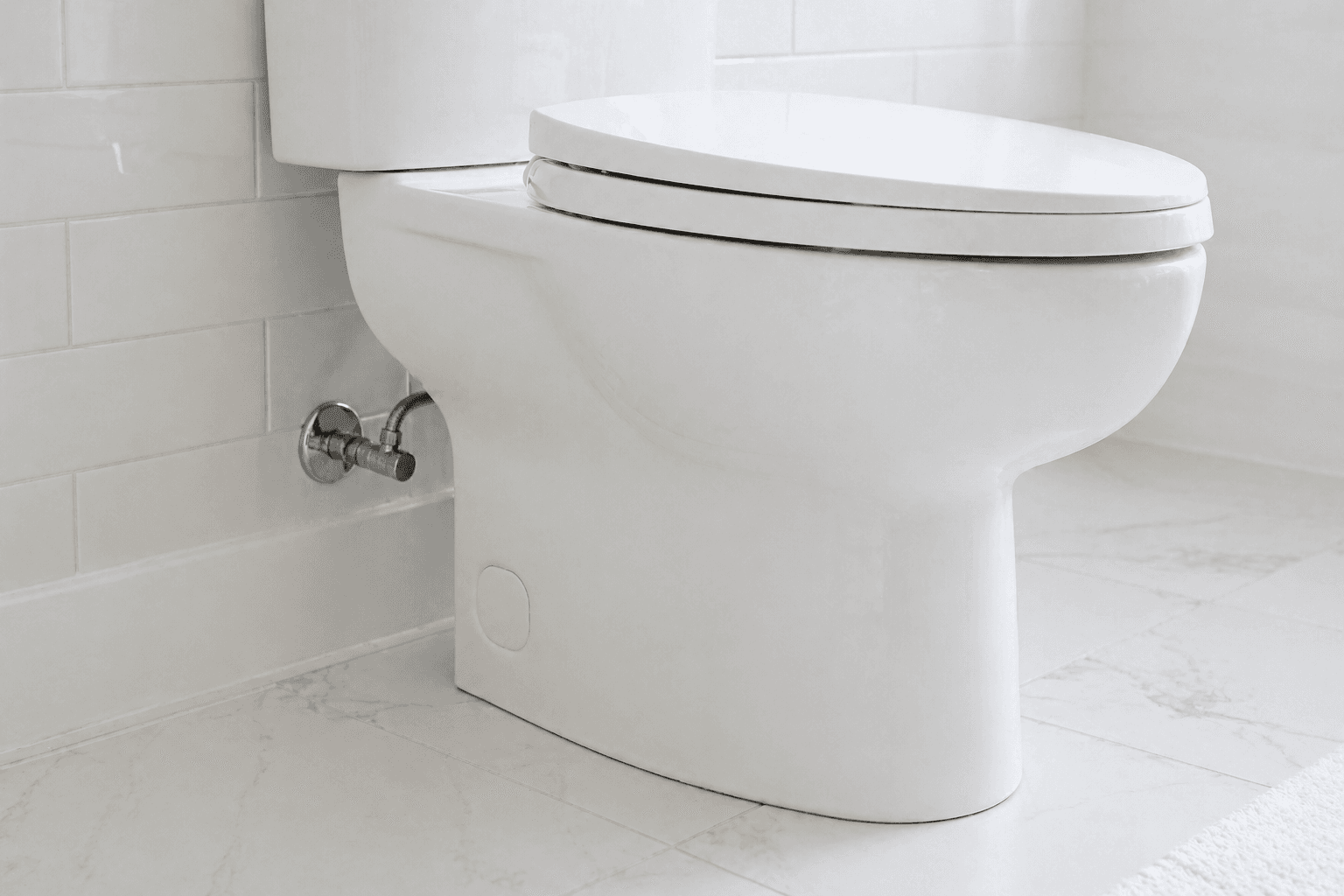
Toilets are where the argument stops being close. Indoor water use is dominated by flushing, and the gap between old and new fixtures is enormous. A household of four flushing roughly five times each per day runs about twenty flushes daily. On a pre-1994 toilet at 3.5 gallons, that's 70 gallons a day — over 25,000 gallons a year. The same household on a 1.28 gpf model uses about 25.6 gallons a day, or roughly 9,300 gallons a year. You are cutting more than 15,000 gallons annually per toilet, and O'ahu water and sewer rates are high enough that the savings register on the bill rather than disappearing into rounding.
Showerheads and faucets save real water too, but the payback is slower simply because the baseline is lower — you're going from 2.5 to 2.0 GPM, not from 3.5 gallons to 1.28. That doesn't make them a bad buy at thirty or forty dollars a fixture; it means the toilet is where you start if you're only doing one thing.
One caution on the toilet: don't buy on gallons alone. Early low-flow models earned their reputation for double-flushing, which erases the savings entirely. Modern designs solved it with a redesigned trapway and bowl geometry, but the quality range is still wide. Look at the MaP (Maximum Performance) flush score alongside the gpf rating, and if you're replacing a toilet in a home with a long or shallow-pitched drain line, mention that when you book the toilet installation — a low-volume flush needs adequate slope to carry waste the full distance, and an old line that was marginal at 3.5 gallons can start giving trouble at 1.28.
There's also a savings opportunity that costs nothing to check. A silently running flapper can waste 200 gallons a day, which dwarfs anything you'd save by upgrading fixtures. Put a few drops of food coloring in the tank, wait fifteen minutes without flushing, and look in the bowl. Color in the bowl means the flapper is leaking, and that's a ten-dollar part.
Rebates and Documentation That Shorten the Payback Window
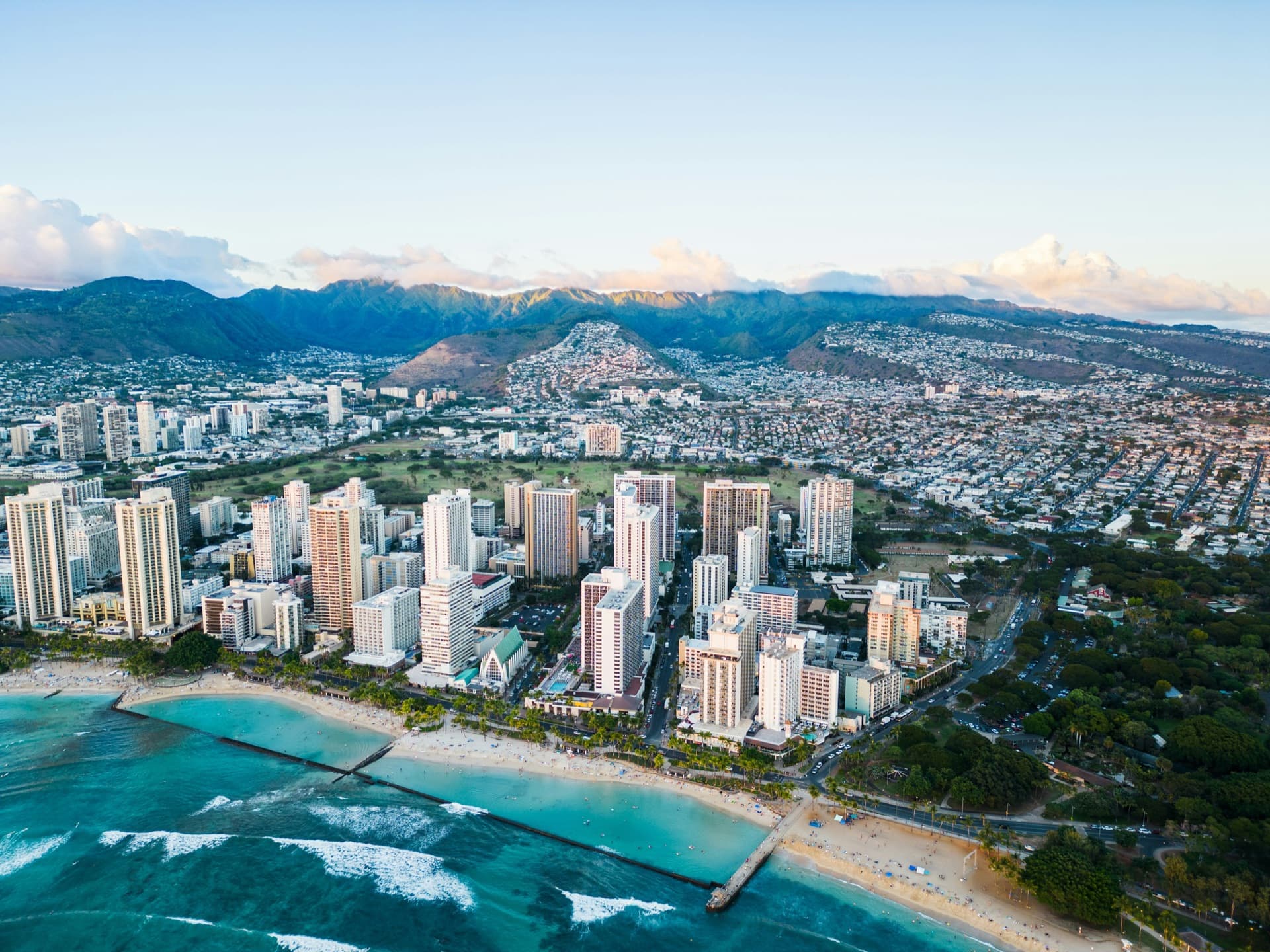
The economics change once you account for what the Honolulu Board of Water Supply will reimburse. BWS pays cash rebates on WaterSense toilets, qualifying showerheads, weather-based irrigation controllers, and certain high-efficiency water heaters, and combination rebates are available when several upgrades are done together — which is why a bathroom remodel is the right moment to do all of it at once rather than one fixture at a time.
The rules trip people up more than the amounts do. Each category sets its own installation and documentation requirements, so read them before you buy. Applications generally have to be filed within 90 days of installation, and you need proof of purchase and installation records. And some categories are first-come, first-served against limited annual funding, so waiting until the end of the year is a real risk. The Board of Water Supply rebate program is straightforward to claim when the documentation is right and frustrating when it isn't.
Worth knowing: BWS also offers rebates for repairing leaks that caused an abnormally high bill. If a spike in your bill is what got you researching low-flow fixtures in the first place, the leak is the more urgent problem and possibly a reimbursable one. Finding a hidden leak before it damages a slab or a wall cavity is worth far more than the fixture upgrade, and we document the repair for the rebate submission.
If you want a straight answer on which upgrades make sense for your specific house — and which ones your pressure and piping will actually support — call Alpha Omega Plumbing at (808) 847-5414. We'll check your pressure, tell you honestly if a fixture swap will disappoint you, and walk you through what you qualify for before any work starts. Estimates are free.
Frequently Asked Questions
Do low-flow fixtures really save money in Hawaii?
Yes, particularly toilets. Replacing a pre-1994 toilet with a 1.28-gallon model saves a family of four more than 15,000 gallons a year, and O'ahu's water and sewer rates are high enough that it shows up on the bill. Showerheads and faucets save less per fixture but still pay for themselves. Alpha Omega Plumbing can look at your setup and tell you which upgrades are worth it.
How much does it cost to install a WaterSense toilet on O'ahu?
It varies with the fixture you choose and the condition of the flange and supply line underneath — and like most trades in Hawai'i, labor and materials run higher here than on the mainland. A BWS rebate offsets part of it. Call (808) 847-5414 for a free estimate and we'll quote the whole job.
Will a low-flow showerhead work in an older Honolulu home?
Not always. Many older O'ahu homes still have galvanized supply lines that have corroded and scaled shut over decades, and a reduced-flow head on an already-restricted line makes a weak shower worse. We can take a pressure reading and check what your lines are made of before you spend money on fixtures.
Can I install these fixtures myself and still get a rebate?
It depends on the rebate category. The Board of Water Supply sets installation and documentation rules for each one, so check the current requirements for yours before you buy, and keep your receipt and installation records either way. For help choosing fixtures, call Alpha Omega Plumbing at (808) 847-5414.
Learn more about our Board of Water Supply Rebates services on Oʻahu
Board of Water Supply rebate program →Alpha Omega Plumbing Inc
Serving all of O'ahu since 2014.
More From the Blog
Need a Plumber on O'ahu?
Insured and available 24/7 for emergencies across the island.