
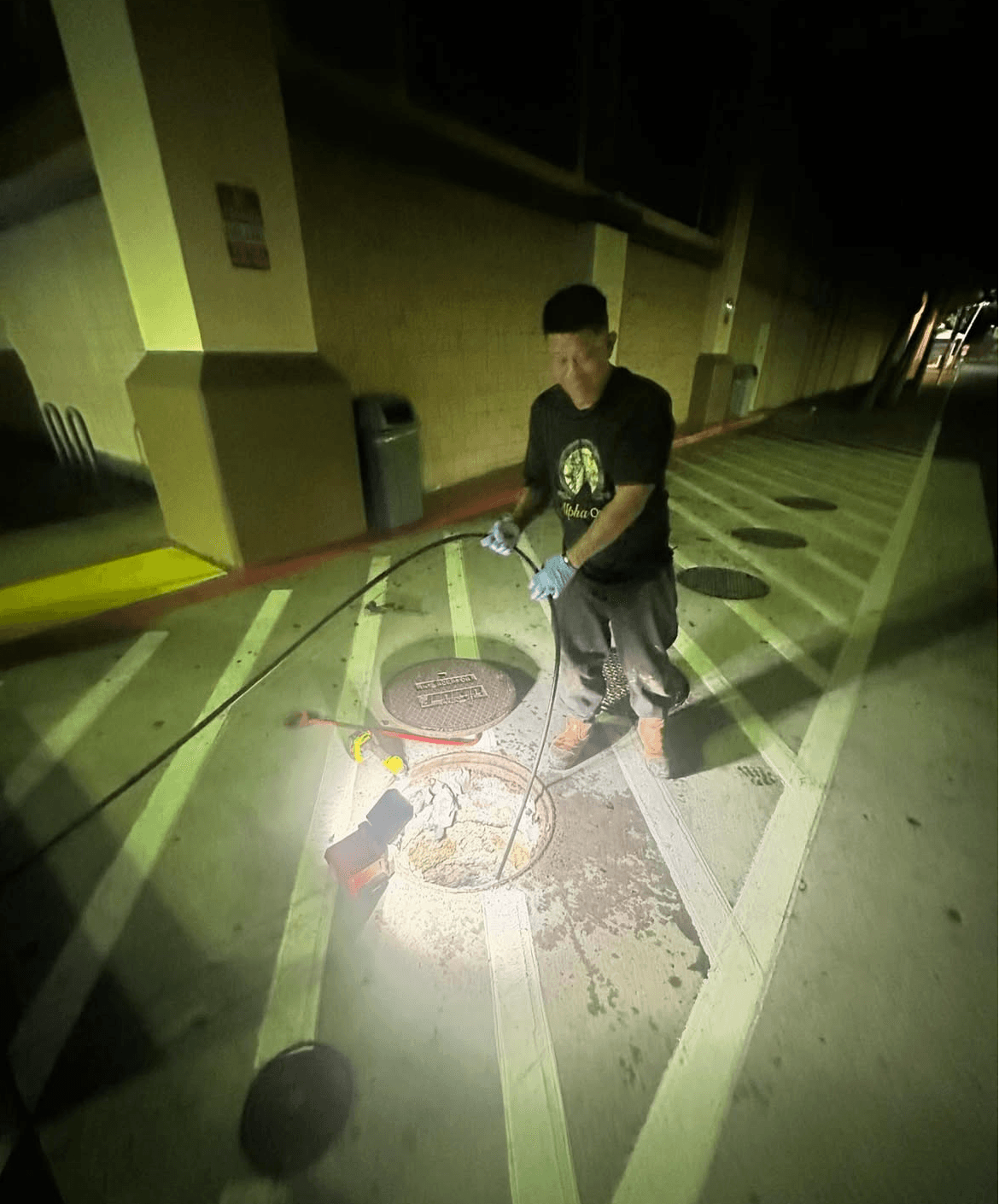
Getting Your O'ahu Home Ready for the Rainy Season
October 14, 2026 · Alpha Omega Plumbing Inc
Getting your O'ahu home ready for the rainy season comes down to four jobs: clear the storm drains and yard drains, make sure gutters and downspouts carry roof water away from the house, test any sump pump before you need it, and give a septic system or cesspool some breathing room before the ground gets soaked. Hawai'i's wet season runs roughly October through April, and the storms that cause the most damage, Kona lows and slow-moving fronts, can drop several inches of rain in a few hours. Water that has nowhere to go ends up in garages, crawl spaces and back up through floor drains. Here's what to check now, while it's still dry, and when it makes sense to call Alpha Omega Plumbing at (808) 847-5414.
Why Hawai'i's Wet Season Catches Homeowners Off Guard
Most of the year, O'ahu's rain comes on the trade winds as short showers on the windward side, and drainage that's half blocked still keeps up. The wet season is different. Kona lows pull moisture up from the south and southwest, so leeward neighborhoods like 'Ewa, Kapolei, Wai'anae and parts of Honolulu that rarely see heavy rain can get a downpour that lasts all night. Upper Mānoa, Pālolo, Kāne'ohe and Waimānalo, already wet, get wetter still.
The problem is that drains silt up quietly during the dry months. Leaves, sand, mulch and construction dust settle into yard drains and catch basins, and nobody notices until the first big storm turns a driveway into a pond. The National Weather Service in Honolulu issues flood watches before most major events, but a watch is short notice to clear a drain that has been filling for six months. The time to do this work is before the first storm, not during it.
Clear Yard Drains and Catch Basins Before the First Big Rain
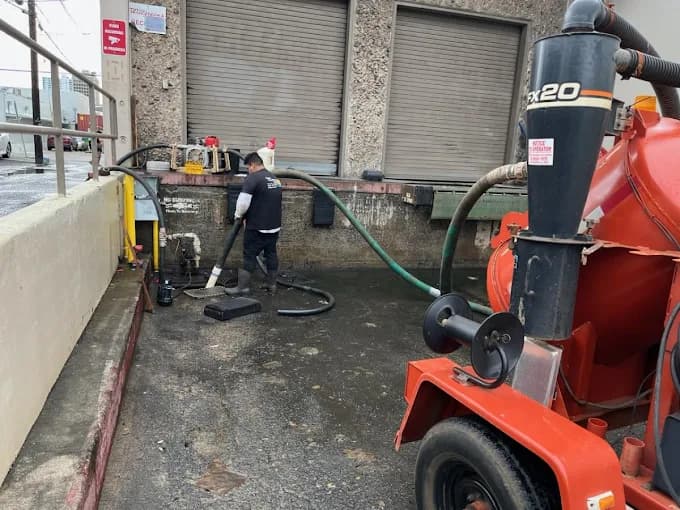
Walk the property and find every drain grate: driveway trench drains, area drains in low spots of the yard, catch basins at the bottom of a slope, and the outlet where the system discharges to the street or a drywell. Pull the grates, scoop out what you can reach, and run a garden hose into each one. Water should disappear steadily. If it pools, gurgles or comes back up at another grate, there's a blockage further down the line.
Shallow debris is a homeowner job. A line that's packed with sediment, broken, or full of roots from a nearby tree is not, and running a hand snake through it often just punches a small hole in the clog that closes again with the first storm. Professional storm drain cleaning uses water jetting to flush the whole run clear and a camera to find any cracked or collapsed sections, which is the only way to know the line will carry a full storm's worth of water.
Commercial properties, HOAs and anyone with a paved parking area should treat this as a standing maintenance item. Large paved surfaces send water to the catch basins fast, and a blocked basin can flood a lot or a ground-floor unit in minutes.
Gutters and Downspouts: Getting Roof Water Away From the House
A typical roof sheds a lot of water in a single inch of rain, and all of it lands somewhere. If gutters are packed with leaves from a nearby mango, plumeria or monkeypod, the water spills over the edge and falls straight along the foundation, where it soaks into the slab joint, the crawl space or the garage. Clean the gutters, check that each one slopes toward a downspout, and rinse the downspouts with a hose to make sure they flow.
Look at where each downspout ends. Many O'ahu homes pipe downspouts into underground lines that connect to a yard drain or the street. Those buried lines clog just like any other drain, and when they do, the downspout backs up and overflows at the joint closest to the house. If a downspout fills up and spills during a hard shower, the underground run below it needs to be cleared.
Test Your Sump Pump Before Flood Weather Arrives

Homes in low-lying areas, on hillside lots that collect runoff, or with a below-grade garage or crawl space often rely on a sump pump. It sits idle for months, which is exactly why it fails when it's finally needed. To test it, slowly pour a bucket of water into the pit until the float rises. The pump should start, empty the pit, and shut off on its own. Then go outside and confirm water is coming out of the discharge line and running away from the house, not back toward it.
If the pump hums but doesn't move water, the float sticks, or the discharge line is clogged with debris, have it repaired now. Storms that cause flooding are often the same storms that knock out power, so a battery backup is worth considering for any property that depends on the pump. Our team handles sump pump repair and replacement across the island, from Kailua to Mililani.
Septic Tanks and Cesspools in Wet Weather
Homes on a septic system or cesspool feel the rainy season in a way sewered homes don't. When the ground is saturated, a leach field or cesspool can't absorb wastewater as fast, and a system that was already near its limit backs up into the lowest drain in the house. If your tank hasn't been pumped in a few years, having it done before the wet months gives it the most room to work with.
Keep roof and yard runoff away from the tank and drain field, and spread out heavy water use like laundry during long stretches of rain. Slow drains or a sewage smell after storms are early signs covered in our guide to septic system warning signs, and they're worth acting on before the next Kona low.
A Quick Storm-Day Checklist and When to Call a Plumber
When a flood watch goes up, take ten minutes: clear any leaves sitting on drain grates, move anything stored on the garage floor, make sure the sump pump is plugged in, and know where your main water shutoff is. If water starts coming up through a floor drain or shower, stop running water in the house; that's usually a sign the sewer or septic line is overwhelmed.
The best protection is still drainage that works before the rain starts. If you'd like your storm drains, downspout lines or sump pump checked ahead of the season, or water is already backing up, call Alpha Omega Plumbing at (808) 847-5414. We've been keeping O'ahu properties draining since 2014, and we answer around the clock when a storm doesn't wait for business hours.
Frequently Asked Questions
When is the rainy season on O'ahu?
Hawai'i's wet season generally runs from October through April. Most of the heaviest storms, including Kona lows that bring rain to normally dry leeward areas, arrive between November and March.
How often should storm drains and yard drains be cleaned?
Once a year before the rainy season is a good routine for most homes. Properties with large trees nearby, sandy soil or big paved areas may need cleaning twice a year, before and after the wet months.
How much does storm drain cleaning cost on O'ahu?
Cost depends on how long the line is, how packed it is, and whether roots or broken pipe are involved, and Hawai'i labor rates run higher than on the mainland. Alpha Omega Plumbing gives free estimates at (808) 847-5414 so you know the price before any work starts.
Why does my drain back up only when it rains hard?
A drain that backs up only in heavy rain usually means a partly blocked line that can't keep up with storm volume, or a septic system or cesspool sitting in saturated ground. Roof runoff piped into the sewer can also overload the line during storms.
Can I clean my own yard drains?
You can safely pull grates, remove surface debris and flush each drain with a hose to see if it flows. If water pools, gurgles or comes back up elsewhere, the blockage is deeper in the line, and Alpha Omega Plumbing can jet and camera-inspect it; call (808) 847-5414.
Learn more about our Storm Drain Cleaning services on Oʻahu
storm drain cleaning →Alpha Omega Plumbing Inc
Serving all of O'ahu since 2014.
More From the Blog


Need a Plumber on O'ahu?
Insured and available 24/7 for emergencies across the island.