
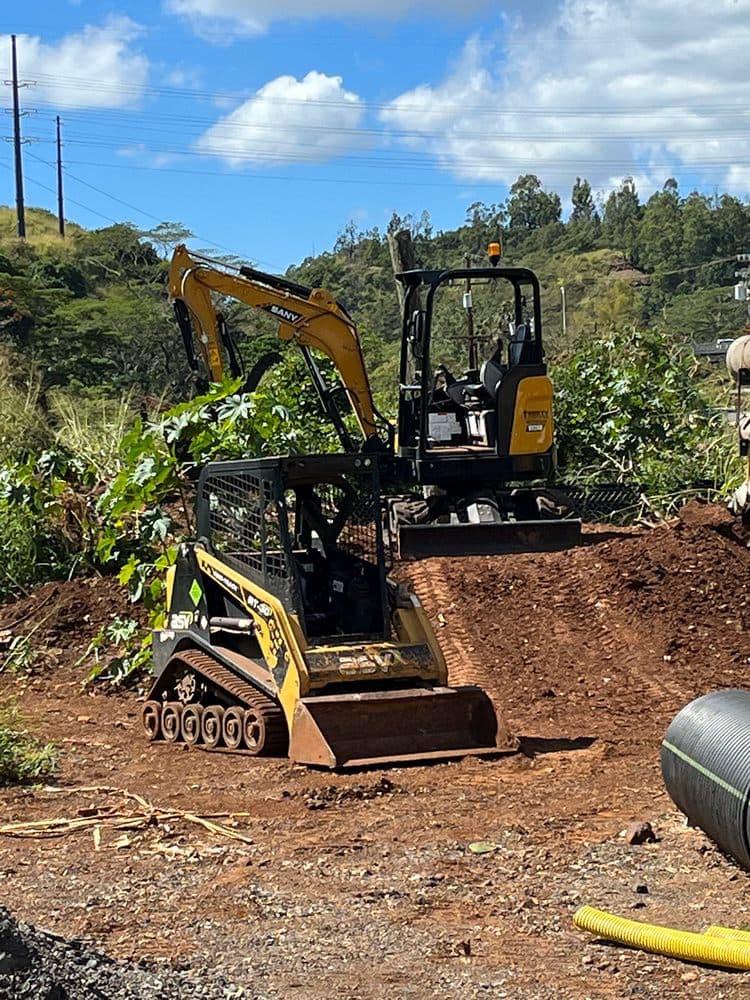
Septic Dos and Don'ts for New Homeowners
September 24, 2026 · Alpha Omega Plumbing Inc
The most important septic dos and don'ts for a new homeowner come down to a short list: find out exactly what system you have and where it is, get it pumped and inspected early, spread out your water use, and keep grease, wipes, chemicals and heavy vehicles away from it. A septic tank has no monthly bill and no warning light, so it's easy to forget until something backs up into the house. If you've just moved into a home on the North Shore, in Waimanalo, Wai'anae or anywhere else on O'ahu that isn't on city sewer, a few habits in the first year will save you a very expensive repair later.
Your First Month in a Home With a Septic Tank
Start by confirming what you actually own. Many O'ahu properties that sellers describe as "on septic" are really on a cesspool, which is a different and older system, and some homes that look rural are connected to the sewer. Our guide on septic vs. sewer on O'ahu walks through how to tell. If it's a cesspool, know that state law requires every cesspool in Hawai'i to be upgraded, converted or connected to sewer by 2050, so it's worth planning for now rather than finding out during a future sale.
Next, find the tank. Ask the previous owner, check your closing documents, and look for a site plan or permit drawing. Walk the yard for a concrete or plastic lid, a low mound, or a cleanout pipe sticking up between the house and the tank. Once you've located it, sketch its position and measure from two fixed points like a corner of the house and the driveway, so you or a technician can find it again in a hurry.
Finally, find out when it was last pumped. If nobody knows, assume it's overdue. A pump-out early in your ownership gives you a clean starting point and, just as important, a chance for a technician to look at the tank's condition, the baffles and the inlet and outlet lines while it's open.
Everyday Habits That Keep a Wastewater System Healthy
A septic tank works by holding wastewater long enough for solids to settle and for bacteria to break them down, then sending the clarified liquid out to the drainfield. Everything you do inside the house either helps that process or works against it. The biggest helper is simply spreading out your water use. Run the washing machine one load at a time across the week instead of five loads on a Saturday, and fix running toilets and dripping faucets promptly, since a steady trickle adds hundreds of gallons a week to the tank.
Use ordinary amounts of regular household cleaners, and choose liquid laundry detergent over powders, which can leave fillers behind. You do not need to add yeast, enzymes or store-bought septic additives; a healthy tank already has the bacteria it needs, and the U.S. EPA's SepticSmart program notes that additives are not a substitute for regular pumping.
Keep a simple record. Write down every pump-out, repair and inspection with the date and what was found. That log tells you how quickly your household fills the tank, and it's valuable paperwork when you eventually sell.
What Never Belongs in a Septic Tank
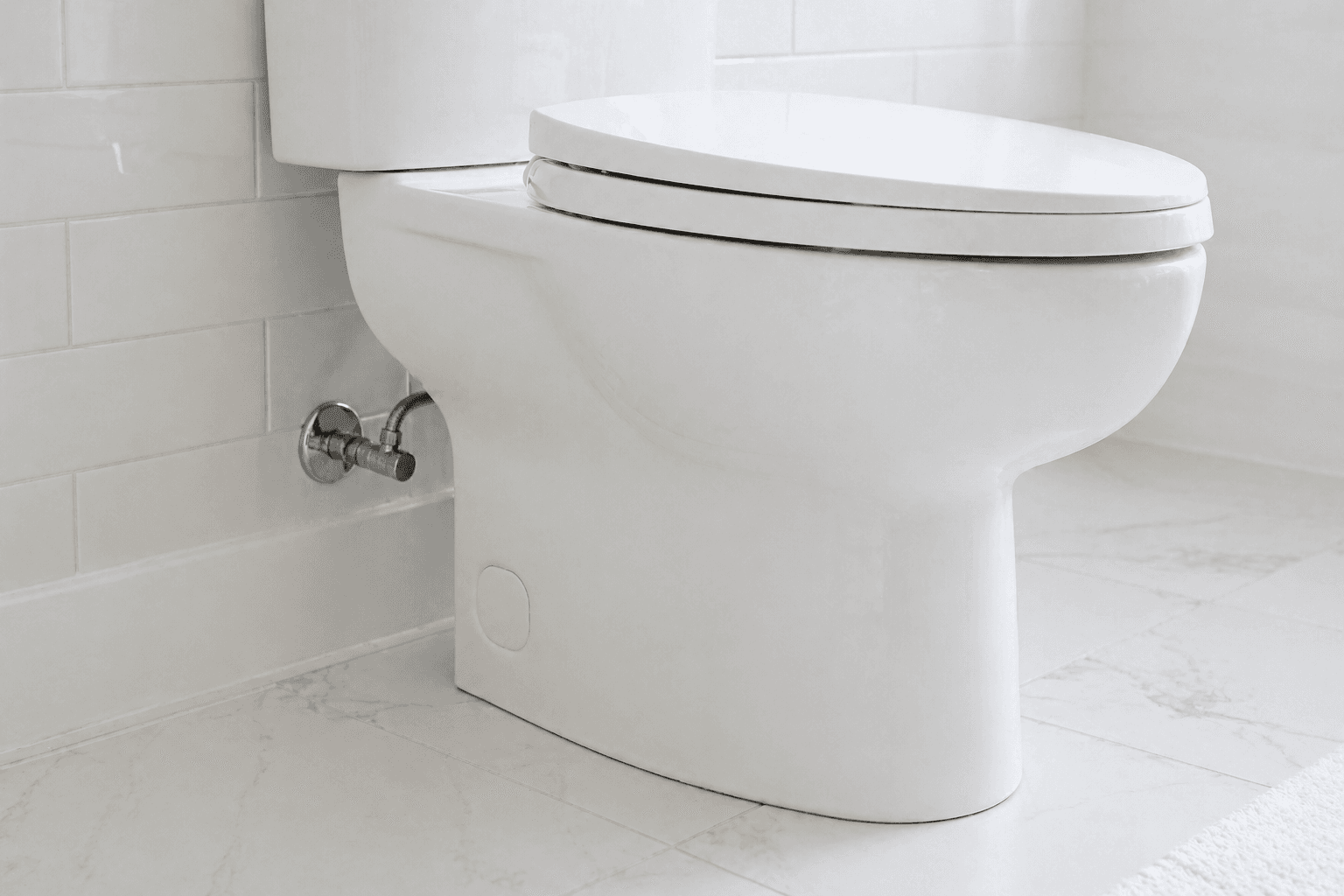
The rule for the toilet is short: human waste and toilet paper only. "Flushable" wipes, paper towels, feminine products, condoms, dental floss, cat litter and cigarette butts don't break down in a tank. They add to the sludge layer, clog the outlet, and can be carried out into the drainfield, where they cause the kind of damage that can't be pumped away.
In the kitchen, keep cooking grease and oil out of every drain. It floats to the top of the tank, thickens the scum layer and can escape to the drainfield and seal the soil. Go easy on the garbage disposal as well; our post on what never to put down a garbage disposal explains why food waste shortens the time between pump-outs.
Avoid pouring paint, solvents, pesticides, pool chemicals or large amounts of bleach down any drain, and skip caustic drain openers entirely. Old medications should go to a pharmacy take-back rather than the toilet. Anything that kills bacteria in the tank slows the whole system down.
Protecting the Leach Field on an O'ahu Property
The drainfield, or leach field, is the part of the system that's most expensive to replace, and it's the easiest to damage by accident. Don't drive or park on it, and don't let a delivery truck or a contractor's equipment cross it; the weight crushes pipes and compacts the soil. Don't build over it with a slab, shed, carport or above-ground pool.
Plant only grass or shallow-rooted ground cover over the field. Monkeypod, banyan, plumeria, bamboo and many of the big shade trees common in O'ahu yards send roots long distances looking for water, and a drainfield line is exactly what they find. Keep gutter downspouts, irrigation and driveway runoff pointed away from it, because a field that's already soaked from Windward or North Shore rain can't absorb wastewater too.
Watch the ground over the field. Soggy spots, a sewage smell, or grass that's noticeably greener and lusher than the rest of the yard can mean the field is struggling. Our guide to the signs a septic system is starting to fail covers what to look for and what each sign usually means.
Scheduling Pump-Outs and Getting Help With Septic Care
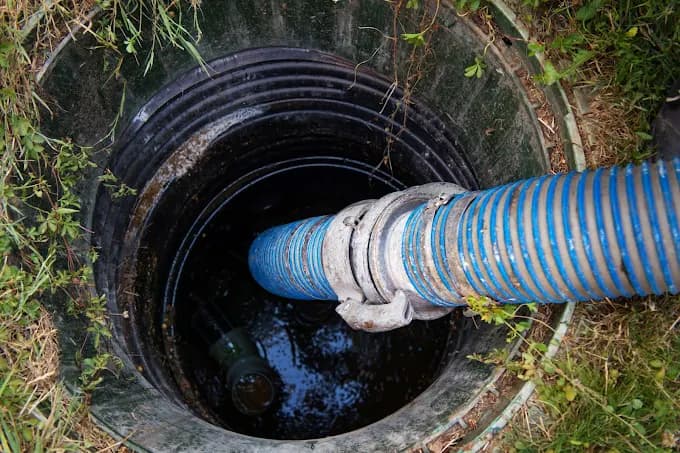
Most household tanks need pumping every three to five years, and sooner for a larger family, a smaller tank, heavy disposal use or a cesspool. Once you've had the first pump-out done, you'll have a baseline for how fast your household fills the tank, and you can put the next one on the calendar instead of waiting for a problem. Our septic system services cover routine pumping, inspections, repairs and cesspool conversions across the island, and our wastewater pumping crews handle tanks from Hale'iwa to Waimanalo.
Call right away if drains throughout the house slow down at the same time, toilets gurgle, sewage backs up into a tub or floor drain, or you smell sewage in the yard. Those are signs the tank is full or the system isn't draining, and continuing to use water only makes the cleanup worse.
If you've just moved in and don't know the condition of your septic tank or cesspool, call Alpha Omega Plumbing at (808) 847-5414. We've served O'ahu homeowners since 2014, and we'll locate the system, pump it, tell you honestly what shape it's in, and give you a free estimate before any repair work begins.
Frequently Asked Questions
What should a new homeowner do first with a septic system?
Confirm whether the home is on a septic tank, a cesspool or city sewer, find where the tank is buried, and ask when it was last pumped. If no one knows, schedule a pump-out and inspection early so you start with a clean tank and know its condition. Alpha Omega Plumbing can do all three — call (808) 847-5414.
How much does septic pumping cost on O'ahu?
Pricing depends on the tank's size, how full it is, and how easy the lid is to reach. Hawai'i rates run higher than mainland averages because equipment, fuel and disposal cost more here. Alpha Omega Plumbing gives a free estimate before any work starts at (808) 847-5414.
Are septic systems and cesspools common on O'ahu?
Yes. Many homes on the North Shore, the Windward side, the Wai'anae Coast and in upcountry areas are not connected to city sewer and rely on a septic tank or cesspool. Hawai'i law requires every cesspool to be upgraded, converted or connected to sewer by 2050, so new owners of a cesspool property should plan ahead.
Can I maintain my septic system myself?
Homeowners handle the day-to-day care: spreading out water use, keeping wipes, grease and chemicals out, and protecting the drainfield. Pumping, inspections and repairs need a truck and trained crew. For septic service anywhere on O'ahu, call Alpha Omega Plumbing at (808) 847-5414.
Learn more about our Septic System Services services on Oʻahu
septic system services →Alpha Omega Plumbing Inc
Serving all of O'ahu since 2014.
More From the Blog

Need a Plumber on O'ahu?
Insured and available 24/7 for emergencies across the island.