

Smart Irrigation: Water Your O'ahu Yard, Waste Less
September 10, 2026 · Alpha Omega Plumbing Inc
Outdoor watering is the largest single line on most O'ahu water bills, and it is also the easiest place to waste money without noticing. Nothing looks wrong. The yard is green, the heads pop up on schedule, and the bill creeps upward a few dollars at a time until one month it stops looking like a rounding error. Smart irrigation is not a gadget you buy — it is a handful of adjustments to how a system decides when to run, where the water lands, and whether any of it is disappearing before it reaches a plant. Here is what actually moves the number on a Hawai'i property.
Where a Sprinkler System Quietly Loses Its Water
Before changing anything, it helps to know that a typical residential system loses water in four places, and only one of them is visible from the lanai. The first is timing: a controller set once at installation and never revisited, running the same twelve minutes per zone in February that it runs in August. The second is placement — heads that throw across a driveway, a walkway, or the neighbor's fence line, where the water evaporates or runs to the storm drain without touching soil.
The third is pressure. Most O'ahu supply pressure runs higher than spray heads want, and an over-pressurized head does not water harder, it atomizes. The fine mist that looks like good coverage on a breezy afternoon is largely drifting away before it lands. Fitting pressure-regulating heads or a zone regulator often cuts consumption on that zone by a fifth while the ground underneath gets wetter, not drier.
The fourth is leakage, which is covered further down because it deserves its own section. Together these four rarely announce themselves. A yard can be losing a third of its irrigation water and still look perfectly healthy, because the parts of it that are getting watered properly are carrying the impression. That is exactly why the bill is usually the first honest signal.
Rain Sensors and Weather-Based Controllers Earn Their Keep Here
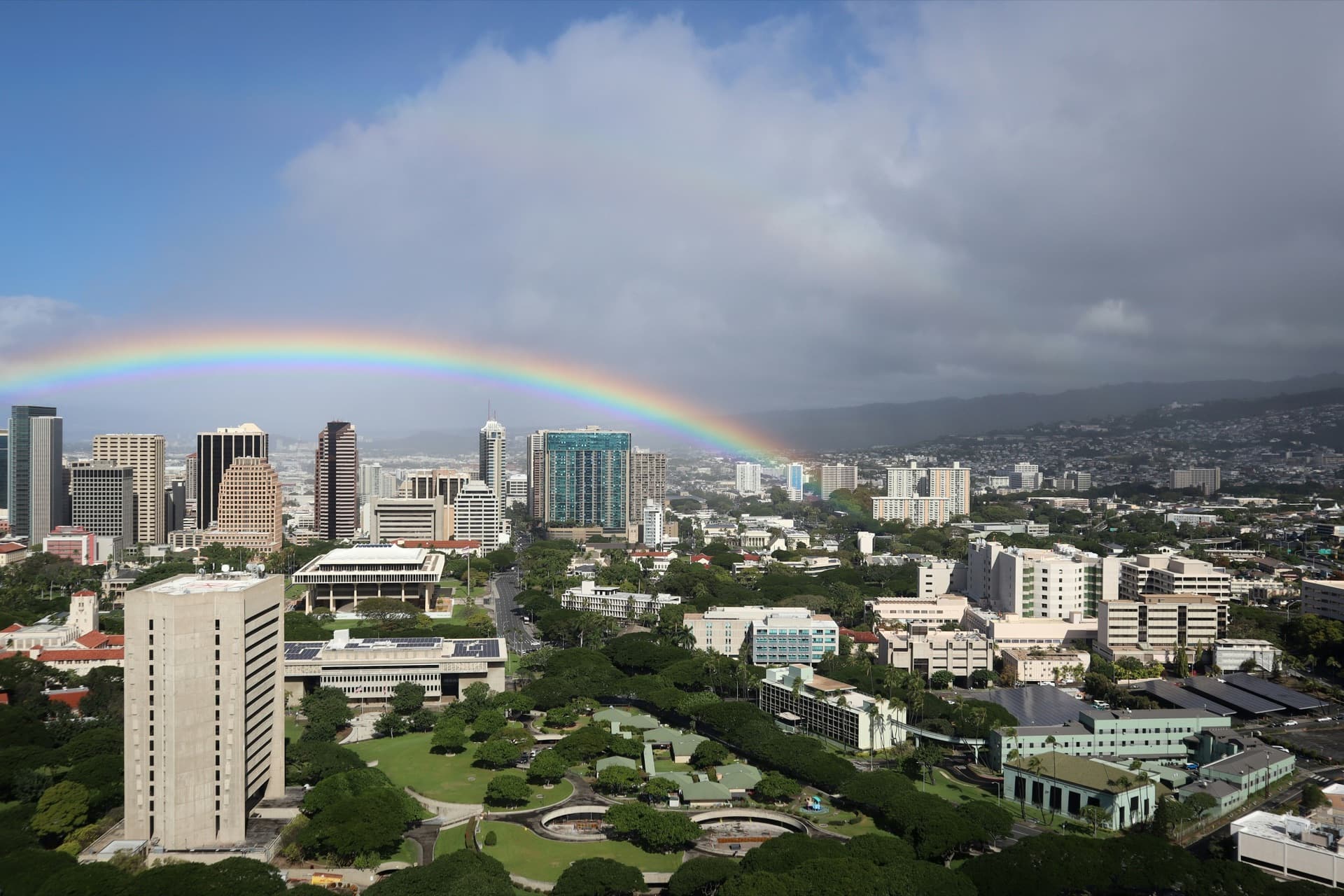
There is a particular O'ahu absurdity worth naming: sprinklers running full cycle through an afternoon downpour. On the windward side and up the valleys it happens weekly, and every one of those cycles is water bought and thrown away. A rain sensor is the cheapest fix in irrigation. It is a small device mounted where it catches open sky, wired to the controller, and it simply withholds the start signal once it has taken on enough rainfall. Most cost less than a single month of over-watering.
A weather-based controller takes the same idea further. Instead of running a fixed schedule, it pulls local evapotranspiration data — how much moisture the sun, wind and humidity actually pulled out of the soil since the last cycle — and adjusts run times daily. In a climate with distinct wet and dry stretches and dramatic microclimates between neighborhoods, that adjustment is doing real work. A property in Hawai'i Kai and one in Kane'ohe with identical landscaping have genuinely different water needs in the same week.
If replacing the controller is not in the budget, the manual version costs nothing: put a reminder on the calendar to revisit run times seasonally, and cut them back through the wetter months. Our guide to cutting a Honolulu water bill covers the indoor half of the same exercise. Between the two, most households find more savings outside than in.
Drip Lines Beat Spray Heads for Most O'ahu Planting
Spray irrigation exists to cover lawn. It is the wrong tool for almost everything else in a Hawai'i landscape — hedges, planting beds, palms, fruit trees, potted arrangements along a wall. Spraying those means wetting leaves, walls and mulch on the way to a root zone that only needed a fraction of the volume, and wet foliage in this humidity invites fungal problems that dry roots never would.
Drip delivers water at the soil surface, slowly enough to soak in rather than run off, directly over the roots. Converting a bed zone from spray to drip typically cuts that zone's consumption by half or better, and the plants usually respond well because they are finally getting deep, consistent moisture instead of a surface soaking that evaporates by ten in the morning. The conversion itself is straightforward: the zone valve stays, a pressure regulator and filter go in at the head of the line, and poly tubing with emitters replaces the risers.
The other adjustment worth making applies to whatever lawn remains. Water deeply and less often rather than briefly and daily. Short daily cycles train grass roots to sit in the top inch of soil, where they dry out fastest and need constant watering to survive — a loop that costs money and produces a weaker lawn. Two or three longer cycles a week push roots down. If runoff starts before the zone finishes, split the run into two shorter cycles an hour apart and let the ground catch up.
Underground Leaks: The Half of the Bill Nobody Sees
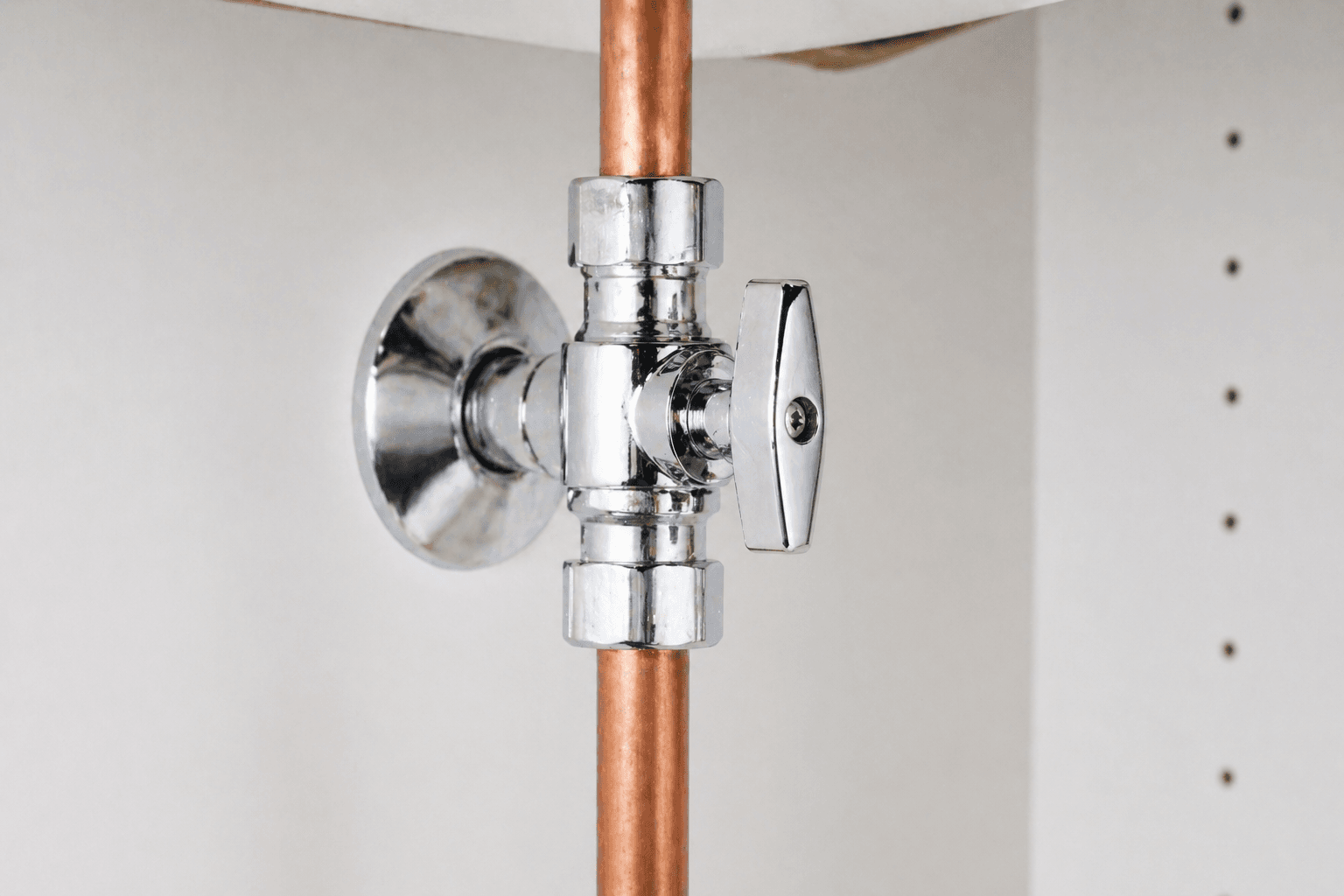
Irrigation lines are buried, usually shallow, in soil that shifts and around roots that grow. Laterals crack, fittings work loose, and solenoid valves fail part-open so a zone weeps continuously between cycles. Because it all happens underground and the water is supposed to end up in the ground anyway, an irrigation leak can run for months without producing a single symptom a homeowner would recognize. There is no ceiling stain, no damp wall, no sound. There is only a bill that has quietly moved up a tier.
You can screen for one in about ten minutes. Turn off every fixture and appliance inside the house, then find the water meter and watch the small leak indicator dial. If it is turning with nothing running, water is going somewhere. Shut the isolation valve to the irrigation system and check the dial again: if it stops, the loss is on the irrigation side. Also walk the yard after a dry stretch — a patch that stays soft, greener than the ground around it, or that grows moss where nothing else does, is usually sitting over a cracked lateral.
Finding the break precisely is where guesswork gets expensive, because the alternative is trenching the run to look. Pressure testing each zone in isolation narrows the loss to a single line, and leak detection equipment locates the break within a foot or so, which turns a trench into a small hole. If your bill has jumped without an obvious cause, an irrigation system repair call to find it usually pays for itself well before the next billing cycle closes.
Backflow Testing, Rebates, and a System Worth Tuning
One piece of an irrigation system is not about efficiency at all. The backflow preventer keeps irrigation water — which has been sitting in a hot line, in contact with soil, fertilizer and whatever else is in the beds — from being drawn back into the drinking water supply when pressure drops on the street. The Honolulu Board of Water Supply requires an annual certified test on these assemblies, and a failed or missing test is a genuine health issue rather than paperwork. It is worth scheduling backflow preventer testing at the same visit as any other irrigation work, since the technician is already on site.
While you are looking at the system, check what the Board of Water Supply is currently offering. Rebate and conservation programs shift year to year and can offset part of the cost of efficient hardware — our page on Board of Water Supply rebates tracks what is available. The combination of a rain sensor, pressure-regulated heads, drip conversion on the beds and a repaired leak is not a large project, and on a property that has been running an unexamined schedule for years, the savings tend to be obvious within two bills.
Alpha Omega Plumbing has been repairing, installing and tuning irrigation systems across Honolulu, Kailua, Kane'ohe, Mililani, Pearl City and the rest of O'ahu since 2014. We are an insured, experienced local outfit, and we will tell you plainly whether a system needs a repair, an adjustment, or simply a better schedule — sometimes the answer is a twenty-dollar sensor and twenty minutes at the controller. If your water bill has climbed and you cannot account for it, call (808) 847-5414 for a free estimate and we will find where it is going.
Frequently Asked Questions
How do I know if my irrigation system has a leak?
Shut off everything inside the house and watch the leak indicator on your water meter. If it keeps turning, close the irrigation isolation valve and check again — if it stops, the loss is in the sprinkler lines. Soft or unusually green patches in the yard point to the same thing. Alpha Omega Plumbing can pressure test each zone and pinpoint the break at (808) 847-5414.
What does it cost to fix or upgrade a sprinkler system on O'ahu?
It depends entirely on what is wrong — a rain sensor and a controller adjustment is a small job, while replacing a failed valve or repairing a buried lateral takes excavation. Hawai'i parts and labor rates run above mainland averages, so get a real quote rather than an online figure. Alpha Omega Plumbing provides free estimates at (808) 847-5414.
How often should I water a lawn in Hawaii?
Less often and for longer than most controllers are set to do. Two or three deep cycles a week drives roots downward and holds up better than a short daily run, which keeps roots shallow and thirsty. Adjust seasonally — windward and valley properties need noticeably less through the wetter months than a dry leeward yard does.
Is annual backflow testing really required for irrigation in Honolulu?
Yes. The Honolulu Board of Water Supply requires a certified annual test on irrigation backflow preventers, because a pressure drop on the main can otherwise pull irrigation water back into the drinking supply. Alpha Omega Plumbing performs the test and submits the results to BWS — call (808) 847-5414 to schedule.
Learn more about our Irrigation System Services services on Oʻahu
irrigation system repair →Alpha Omega Plumbing Inc
Serving all of O'ahu since 2014.
More From the Blog
Need a Plumber on O'ahu?
Insured and available 24/7 for emergencies across the island.