
6 Plumbing Mistakes Quietly Damaging Your Pipes
July 9, 2026 · Alpha Omega Plumbing Inc
Most plumbing damage on O'ahu doesn't arrive in a single dramatic burst — it builds slowly, one small habit at a time, until a pipe finally gives out or a drain stops working for good. The frustrating part is that many of the worst offenders feel completely harmless in the moment: a bottle of drain cleaner here, a pan of bacon grease there, a leak you keep meaning to deal with. Below are six of the most common plumbing mistakes quietly shortening the life of your pipes, why each one does more harm than it seems, and what to do instead. Breaking these habits costs nothing and can save you thousands in general plumbing repairs down the road. And if the damage is already done, Alpha Omega Plumbing is a call away at (808) 847-5414.
Chemical Drain Cleaners Are Corroding Your Pipes
Reaching for a bottle of liquid drain cleaner is the reflex when a sink slows down, but it's one of the most damaging things you can do to your plumbing. Those products work by generating heat and a caustic chemical reaction to dissolve the clog — and that same reaction attacks whatever the clog is sitting in. On older metal pipes it accelerates corrosion; on PVC and other plastics it can soften and warp the pipe walls, especially when a stubborn clog leaves the chemical sitting in one spot for an hour.
The bigger problem is that they rarely fix the real issue. A chemical cleaner might punch a channel through a grease or hair clog enough to restore a trickle of flow, but it leaves most of the blockage clinging to the pipe walls, so the drain slows again within days — prompting another dose, and more damage. It's a cycle that trades a permanent solution for repeated harm to your system.
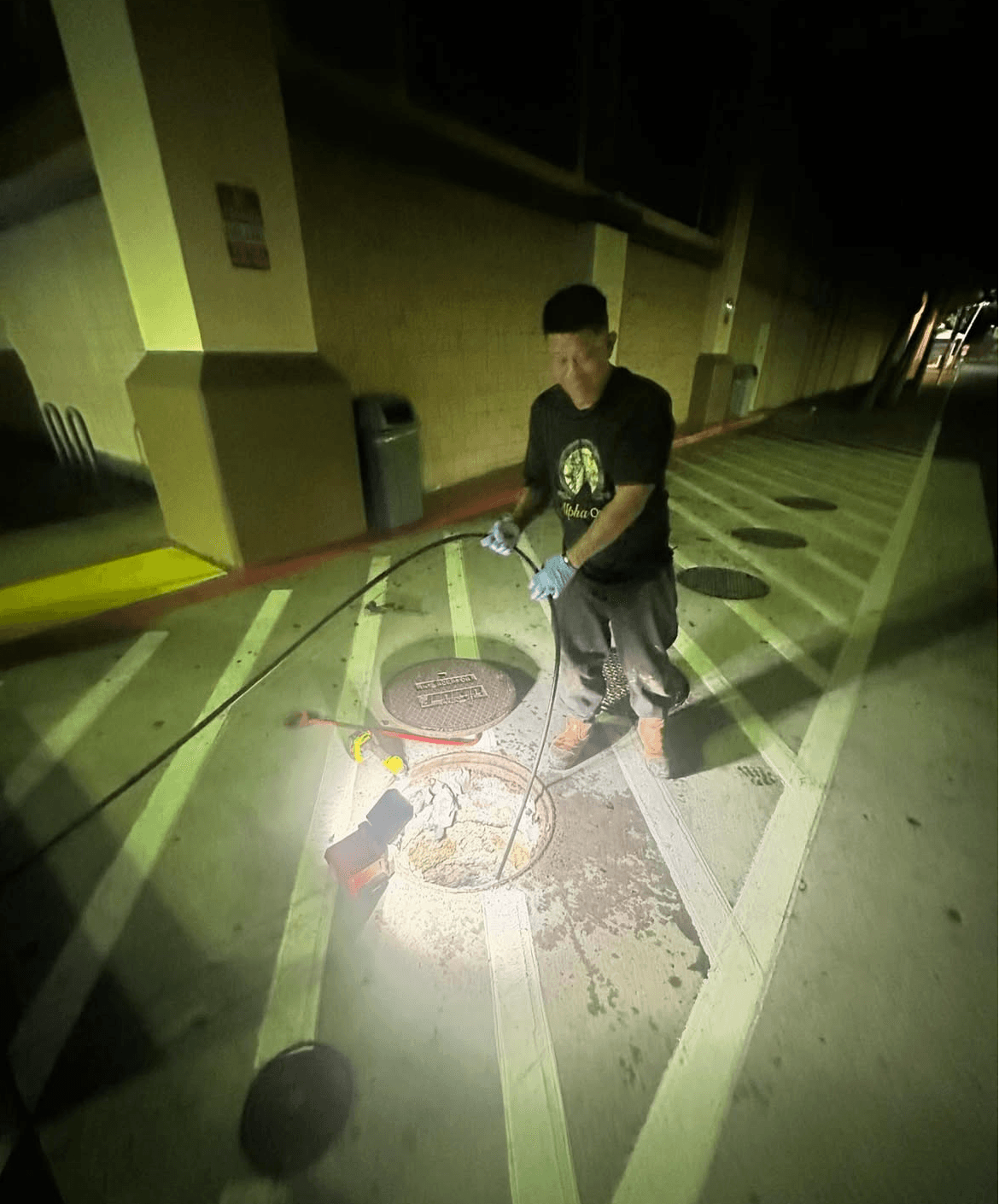
When a drain is slow, start with a plunger or a hand-cranked drain snake, or a flush of hot water and dish soap for a greasy kitchen line. If that doesn't clear it, the clog is deeper than a bottle can reach, and it's time for professional drain cleaning — which removes the blockage entirely without eating away at your pipes in the process.
What You Send Down the Drain: Grease, Food, and 'Flushable' Wipes
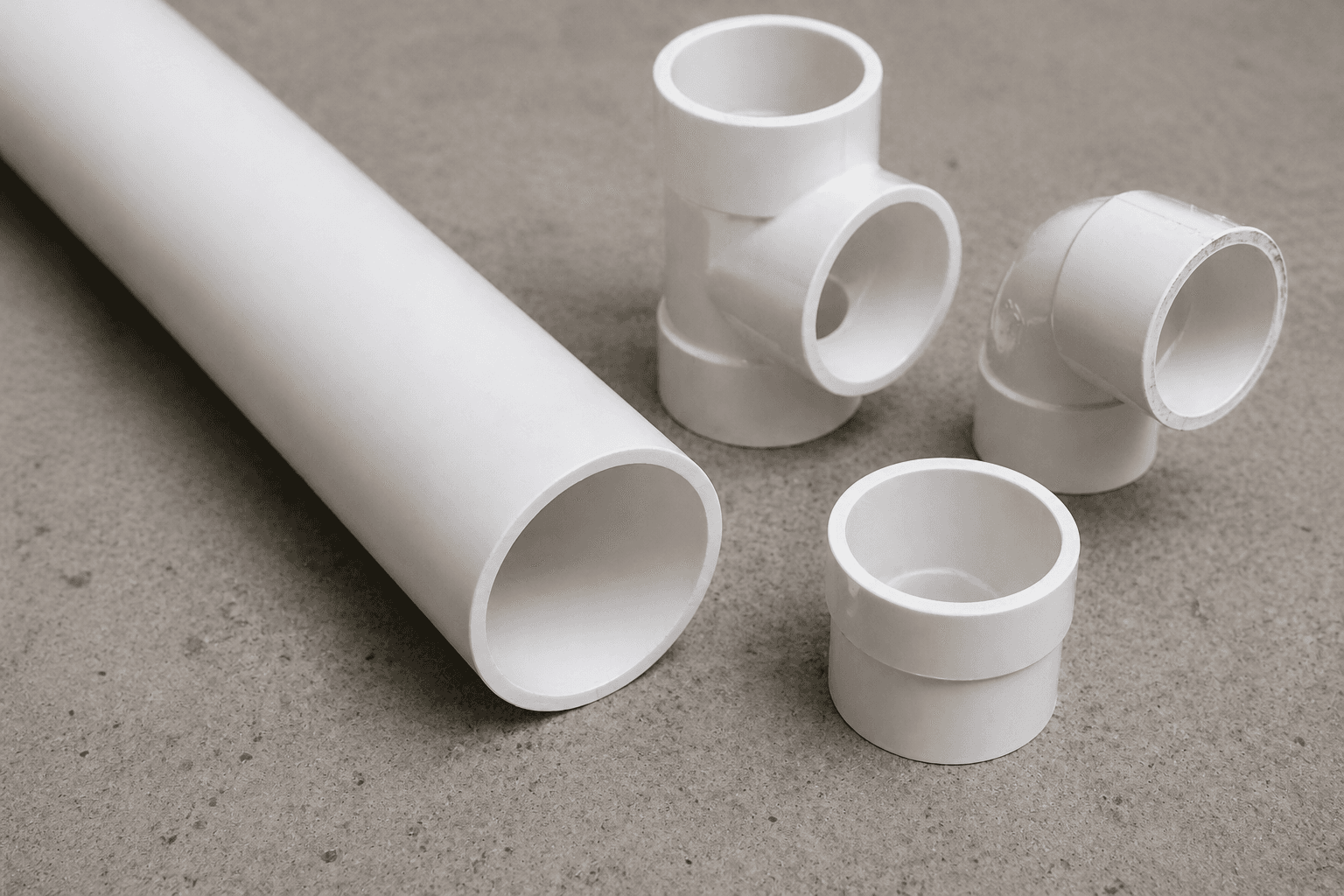
Your drains are built to handle water, human waste, and toilet paper — and almost everything else you send down them tends to stay down there. The number-one kitchen culprit is cooking grease. It pours out as a hot liquid, then cools and hardens inside the line like candle wax, catching food scraps until the pipe chokes off. Never pour grease down the sink; let it solidify in a can and toss it in the trash instead.
The bathroom's worst offender is the "flushable" wipe. Despite the label, these don't break down the way toilet paper does — they snag on any rough spot in the line and build into dense clogs that back up whole systems. The same goes for cotton swabs, dental floss, feminine products, and paper towels. If it isn't toilet paper, it belongs in the trash, not the bowl.
Even a garbage disposal has limits. Fibrous foods like celery and onion skins, starchy items like pasta and rice that swell with water, and coffee grounds all tend to accumulate rather than wash away. Being deliberate about what goes down the drain is the single easiest way to prevent the clogs and backups that lead to emergency calls across O'ahu.
High Water Pressure Is Straining Your Fixtures
Strong water pressure feels great in the shower, but too much of it is quietly hard on your entire plumbing system. Pressure above roughly 80 psi forces joints, valves, and appliance connections to work harder than they were designed to, accelerating wear on everything from your faucets to your water heater and washing-machine hoses. Over time it shows up as pinhole leaks, dripping fixtures, and the occasional bang of "water hammer" when a tap shuts off.
Most homeowners never check their pressure, so they don't realize it's a problem until something fails. An inexpensive gauge that threads onto an outdoor hose bib will tell you where you stand in seconds; the healthy range for a home is generally 40 to 60 psi. If yours reads high, a plumber can install or adjust a pressure-reducing valve to bring it back into a safe range and take the strain off your pipes.
This matters even more if your pressure fluctuates or spikes, which stresses fittings the same way repeatedly flexing a wire eventually snaps it. Getting the pressure dialed in is a small, one-time fix that quietly extends the life of every fixture in the house.
Hard Water and Mineral Buildup: O'ahu's Hidden Pipe Killer
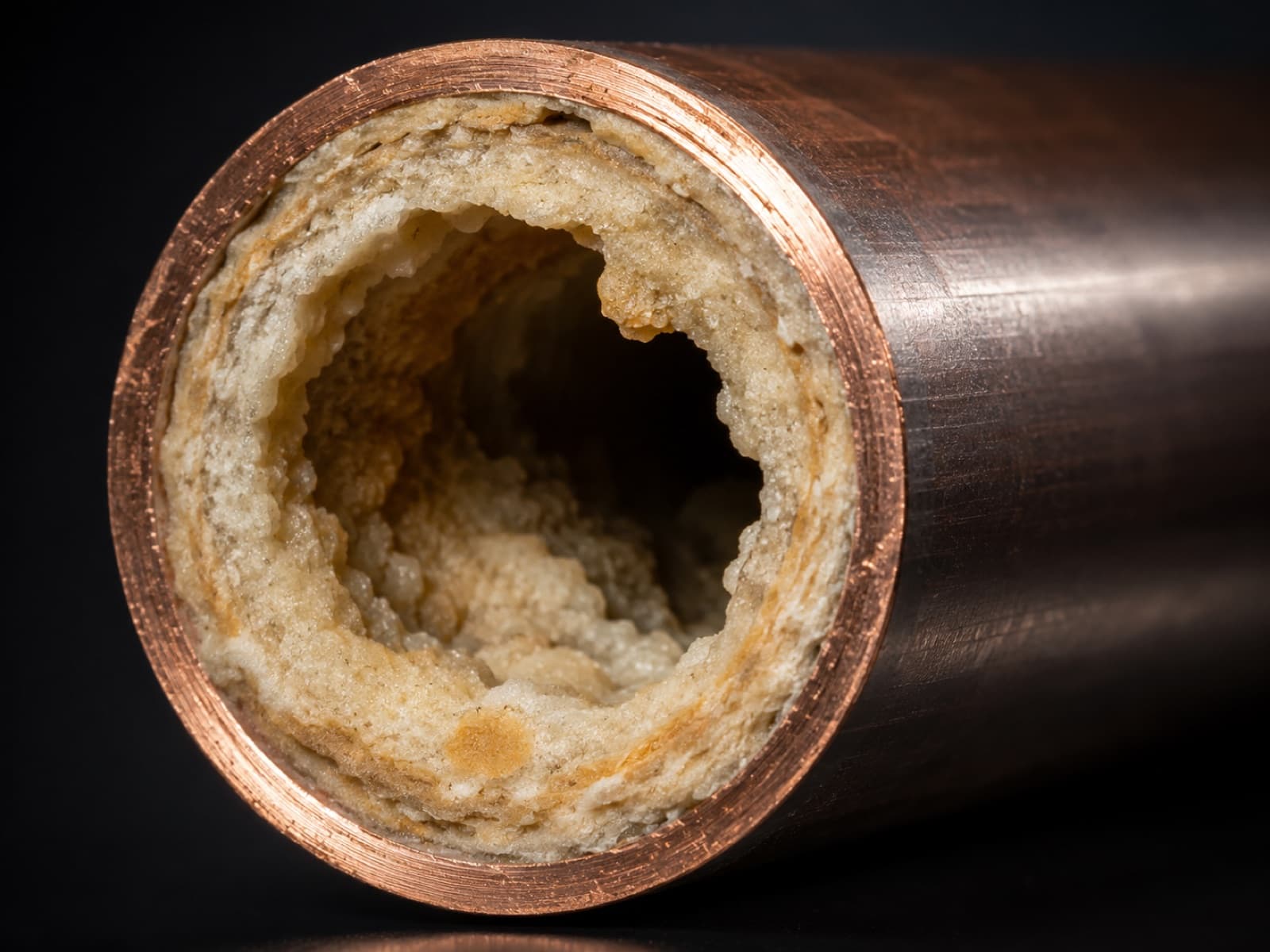
Hawai'i's water carries a heavy load of dissolved minerals, and over the years those minerals settle out and coat the inside of your pipes as scale. You can't see it happening, but it steadily narrows the pipe's interior, chokes your water flow, and creates rough surfaces where future clogs and corrosion take hold. Scale is also what shortens water heater life on the islands — it collects at the bottom of the tank and forces the unit to work harder to heat through it.
The warning signs are easy to miss: gradually weakening water pressure, white crusty deposits around faucet aerators and showerheads, spotty dishes, and appliances that wear out sooner than they should. Because the buildup happens inside the walls of the pipe, by the time your flow is noticeably restricted there's already significant scale in the system.
A whole-home water softener or conditioner is the long-term fix, dramatically slowing scale formation throughout the house. If mineral buildup has already taken a toll, badly clogged sections may need to be replaced — and a plumber can assess whether targeted repairs or a partial repipe makes sense. Either way, addressing hard water early protects both your pipes and every appliance connected to them.
Ignoring Small Leaks and Forcing Risky DIY Repairs
The last two mistakes are the ones that turn a cheap fix into an expensive one. The first is ignoring a small leak — the faucet that drips, the toilet that runs, the little damp spot under the sink you keep meaning to look at. Water is relentless: a slow leak rots cabinetry, feeds mold, warps flooring, and drives up your bill, all while the underlying problem gets worse. In O'ahu's humid climate especially, a hidden leak can cause mold damage long before you ever spot the water. Catching problems early with prompt leak detection is far cheaper than repairing the damage they cause.
The second is overreaching on DIY repairs. Tightening a fitting or swapping a washer is fine, but overtightening connections cracks fittings, the wrong pipe tape or a mismatched part creates slow leaks behind the wall, and a botched water-heater or gas-line job can be genuinely dangerous. There's no shame in a DIY attempt — the trouble comes from forcing it when the job is clearly beyond a quick fix, because the work to undo a bad repair usually costs more than doing it right the first time.
Avoiding these six habits will do more for your plumbing than almost anything else — but pipes on O'ahu still wear out, and some problems need a professional. If you've spotted a leak, slow drains, low pressure, or scale-choked lines, Alpha Omega Plumbing has kept island homes running since 2014. Call us at (808) 847-5414 for honest advice and a free estimate, and we'll help you protect your plumbing for the long haul.
Frequently Asked Questions
What is the worst thing you can put down a drain?
Cooking grease and oil top the list — they harden inside the pipe and catch everything else until the line clogs. "Flushable" wipes are a close second, since they don't break down like toilet paper. Keep both out of your drains and toilets, and dispose of them in the trash instead.
How much does it cost to fix pipe damage from these mistakes?
It ranges widely — a clogged drain is a modest repair, while corrosion or scale that requires repiping runs much higher, and Hawai'i's shipping and labor costs push rates above the mainland. Catching problems early is always cheaper. Alpha Omega Plumbing gives upfront pricing and free estimates — call (808) 847-5414.
Does O'ahu's hard water really damage plumbing?
Yes. Hawai'i's mineral-rich water leaves scale inside pipes and water heaters, narrowing flow and shortening the life of your fixtures and appliances. A whole-home softener slows the buildup, and a plumber can check whether existing scale is already restricting your lines.
When should I stop a DIY plumbing fix and call a professional?
If a repair involves the water heater, gas lines, a leak inside a wall, or a fitting that won't seal after a couple of tries, stop and call a pro before you make it worse. A professional plumber like Alpha Omega Plumbing can fix it correctly the first time — reach us at (808) 847-5414.
Learn more about our General Plumbing Services services on Oʻahu
general plumbing repairs →Alpha Omega Plumbing Inc
Serving all of O'ahu since 2014.
More From the Blog
Need a Plumber on O'ahu?
Insured and available 24/7 for emergencies across the island.