
How to Find a Hidden Water Leak in Your Home
July 27, 2026 · Alpha Omega Plumbing Inc
The leaks that cost you the most are the ones you never see. A dripping faucet announces itself; a pinhole in a copper line behind drywall or beneath a concrete slab can run for months, quietly adding to your water bill and soaking into your home's structure the whole time. The good news is that you don't need special equipment to catch most of them — a water meter, an hour of patience, and knowing where to look will confirm a hidden water leak in an afternoon. Below we walk through the warning signs, a simple meter test you can run yourself, the spots where concealed leaks hide in O'ahu homes, and when it's time to bring in professional leak detection. If you already suspect one, Alpha Omega Plumbing is at (808) 847-5414.
Warning Signs of an Undetected Plumbing Leak
Your water bill is the most reliable early warning system you have. If usage climbs month over month while nothing about your household has changed — same number of people, same habits, no new landscaping — the extra water is going somewhere. A jump of even a few thousand gallons with no explanation is worth chasing down, because the EPA estimates the average household loses close to 10,000 gallons a year to leaks, and about one home in ten is losing 90 gallons a day or more.
Your house will give you clues too. Look for discoloration or faint yellow-brown staining on ceilings and walls, paint that bubbles or peels in one specific area, baseboards that feel soft, or a patch of flooring that has started to cup or lift. In a humid climate like ours, a persistent musty smell in a closet, bathroom, or hallway often means moisture is feeding mildew somewhere behind the surface — long before anything is visible.
Two more signs are easy to miss. A drop in water pressure at one fixture, or across the house, can mean water is escaping the line before it reaches the tap. And if you hear running or trickling water when every fixture in the house is off, trust it — that sound is coming from a pipe that shouldn't be moving water at all.
Run a Water Meter Test to Confirm It
The meter test is the closest thing plumbing has to a home lab test, and it costs nothing. Start by shutting off every water-using fixture and appliance in the house — taps, showers, dishwasher, washing machine, ice maker, and any irrigation timer. Then find your water meter, usually in a covered box near the street or sidewalk, and take a reading. Note the numbers exactly, including the small sweep hand or the low-flow triangle indicator if your meter has one.
Now leave the water untouched for one to two hours, then read the meter again. If the numbers moved at all while nothing was running, water is escaping somewhere in the system. Many meters make this even simpler: that small triangle or star-shaped low-flow indicator spins when as little as a trickle passes through, so if it's turning while the house is idle, you have your answer in seconds.
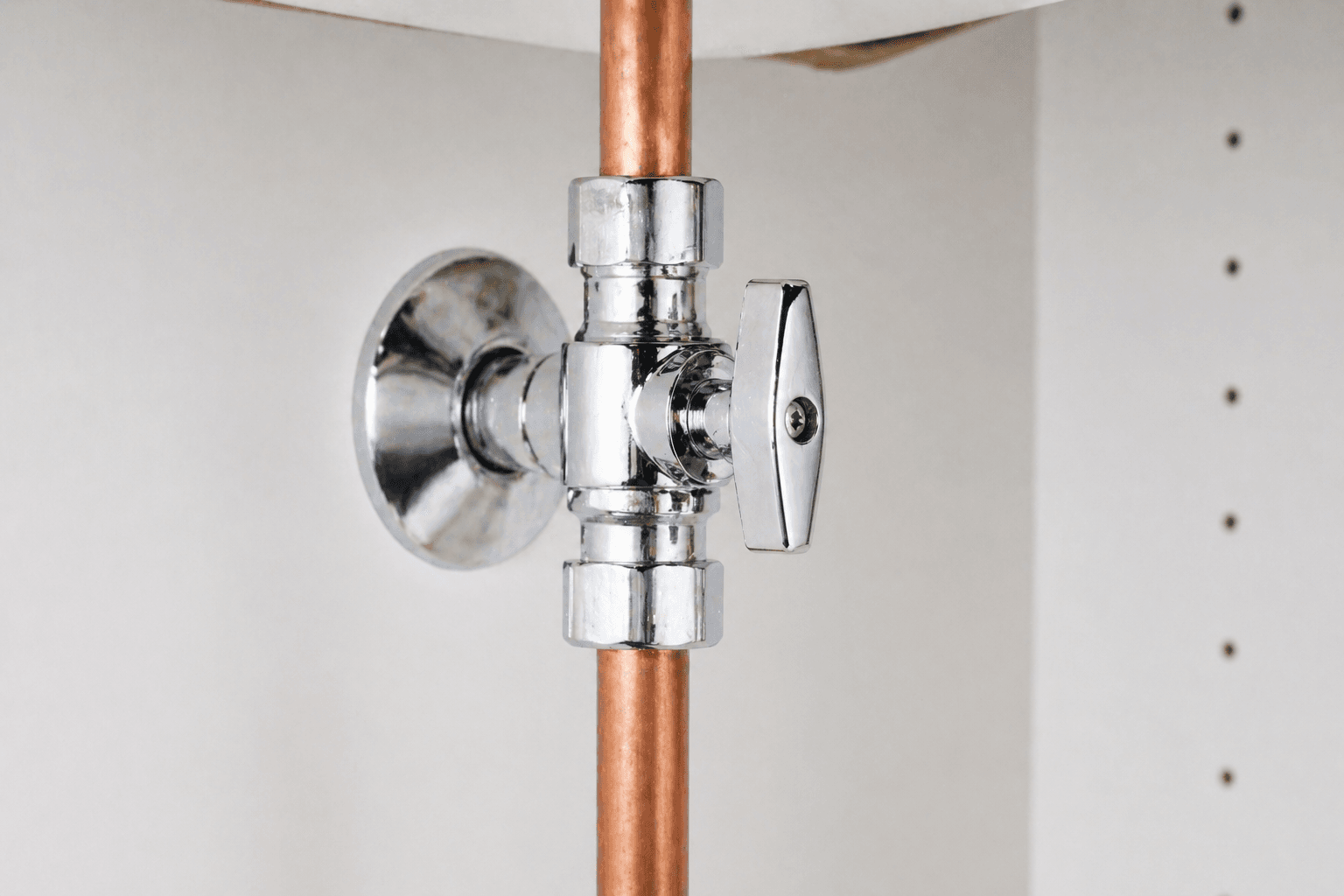
You can narrow it down further. Close the main shutoff valve where the supply enters the house, then check the meter again over the same interval. If the meter keeps moving with the house isolated, the leak is on the supply line between the meter and the building — often underground. If it stops, the leak is inside. That single step tells a plumber a great deal before anyone opens a wall, and it can meaningfully shorten the visit.
Where Concealed Leaks Hide in O'ahu Homes
Toilets are the quiet champions of household water waste. A worn flapper lets water seep from the tank into the bowl continuously, often with no sound at all, and can waste hundreds of gallons a day. Test yours by putting a few drops of food coloring in the tank and waiting fifteen minutes without flushing — if color appears in the bowl, the seal is leaking and a simple toilet repair will pay for itself quickly.
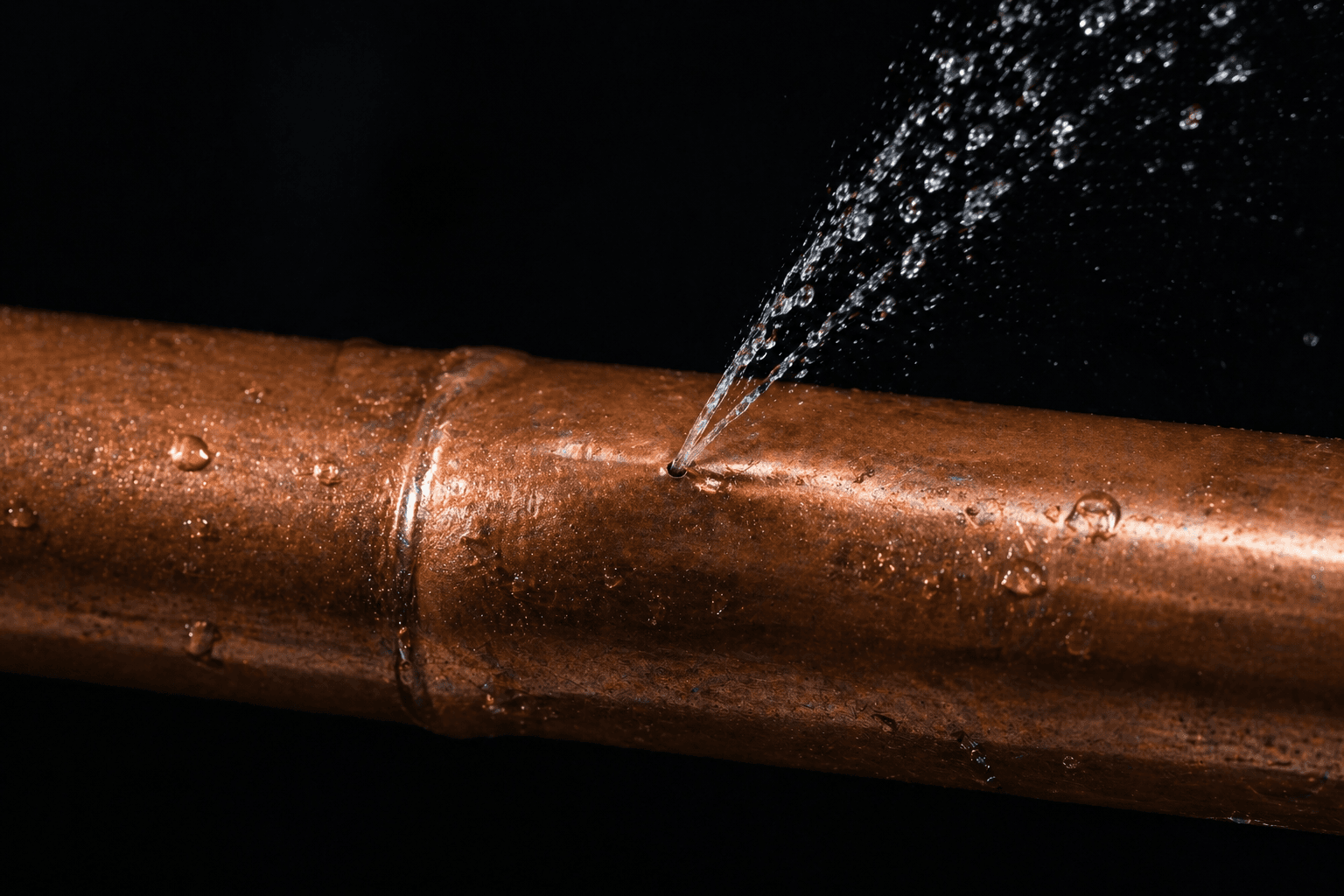
Slab leaks are the more serious category. Many O'ahu homes sit on concrete slabs with supply lines running underneath, and when a line under the slab fails, the symptoms are subtle: an unexplained warm spot on the floor, a section of flooring that stays damp, or the sound of running water with everything off. Older homes with original copper are especially prone, because decades of mineral-rich water and salt-laden air thin the pipe walls until a pinhole opens.
Don't overlook the outdoors. Irrigation lines, hose bibs, and buried service lines all leak into soil that absorbs the evidence, so the only symptom may be a patch of grass that's greener or soggier than the rest of the yard, or a bill that climbs during dry stretches. Pinholes in aging copper anywhere in the system behave the same way — small, slow, and invisible until the damage is done. Our post on cutting water waste in O'ahu homes covers the everyday habits that keep usage down once the leak itself is fixed.
When It's Time for Professional Leak Detection
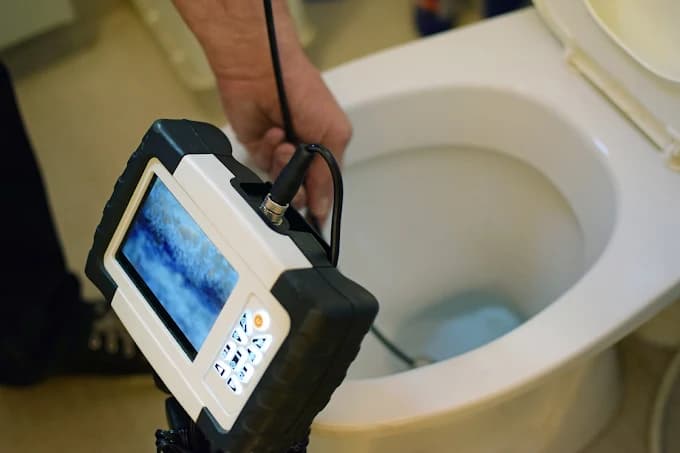
If the meter test says you're losing water but you can't find the source, stop guessing — that's the point where opening walls or breaking concrete on a hunch gets expensive fast. Professional detection uses acoustic listening equipment, thermal imaging, and camera inspection to pinpoint a leak's location within inches, so the repair is a targeted fix rather than exploratory demolition. It's also the right call for anything under a slab or underground, where there's simply no way to see the pipe.
Time matters more than most homeowners expect. Water that has been wicking into framing, subfloor, and drywall for weeks doesn't just raise the bill — in Hawaii's humidity it invites mold and rot, and remediation costs far more than the plumbing repair would have. If you find active flooding or a burst line rather than a slow seep, shut off the main and call for 24/7 emergency service right away.
Alpha Omega Plumbing has been locating and repairing hidden leaks across O'ahu — Honolulu, Kailua, Pearl City, Mililani, and everywhere between — since 2014. We'll find the source without tearing up your home unnecessarily, explain exactly what we found, and quote the repair upfront. If your bill has crept up or something in the house feels damp, call us at (808) 847-5414 for a free estimate before a small leak turns into a structural one.
Frequently Asked Questions
How can I tell if I have a hidden water leak?
The clearest test is your water meter: shut off every fixture, take a reading, wait an hour or two, and read it again. If the numbers moved or the low-flow indicator is spinning, water is escaping somewhere. Rising bills, musty smells, wall stains, and low pressure are all supporting signs. Alpha Omega Plumbing can confirm it at (808) 847-5414.
How much does leak detection cost in Hawaii?
Pricing depends on how the leak has to be located — a straightforward fixture leak is quick, while an underground or under-slab leak requires acoustic and thermal equipment. Hawaii's labor rates run higher than the mainland, so an upfront quote matters. Alpha Omega Plumbing offers free estimates at (808) 847-5414.
Why are slab leaks common in older O'ahu homes?
Many island homes were built on concrete slabs with copper supply lines running underneath, and decades of mineral-heavy water plus salty coastal air gradually thin those pipe walls until a pinhole forms. Because the line is encased in concrete, the leak usually shows up as a warm floor spot, damp flooring, or the sound of running water rather than a visible drip.
Can I fix a hidden leak myself or should I call a plumber?
A leaking toilet flapper or a dripping supply connection is a reasonable DIY repair. Anything inside a wall, under a slab, or underground is not — locating it without the right equipment usually means cutting into the wrong place first. Alpha Omega Plumbing pinpoints the leak before any repair begins; call (808) 847-5414.
Learn more about our Leak Detection Services services on Oʻahu
professional leak detection →Alpha Omega Plumbing Inc
Serving all of O'ahu since 2014.
More From the Blog

Need a Plumber on O'ahu?
Insured and available 24/7 for emergencies across the island.