
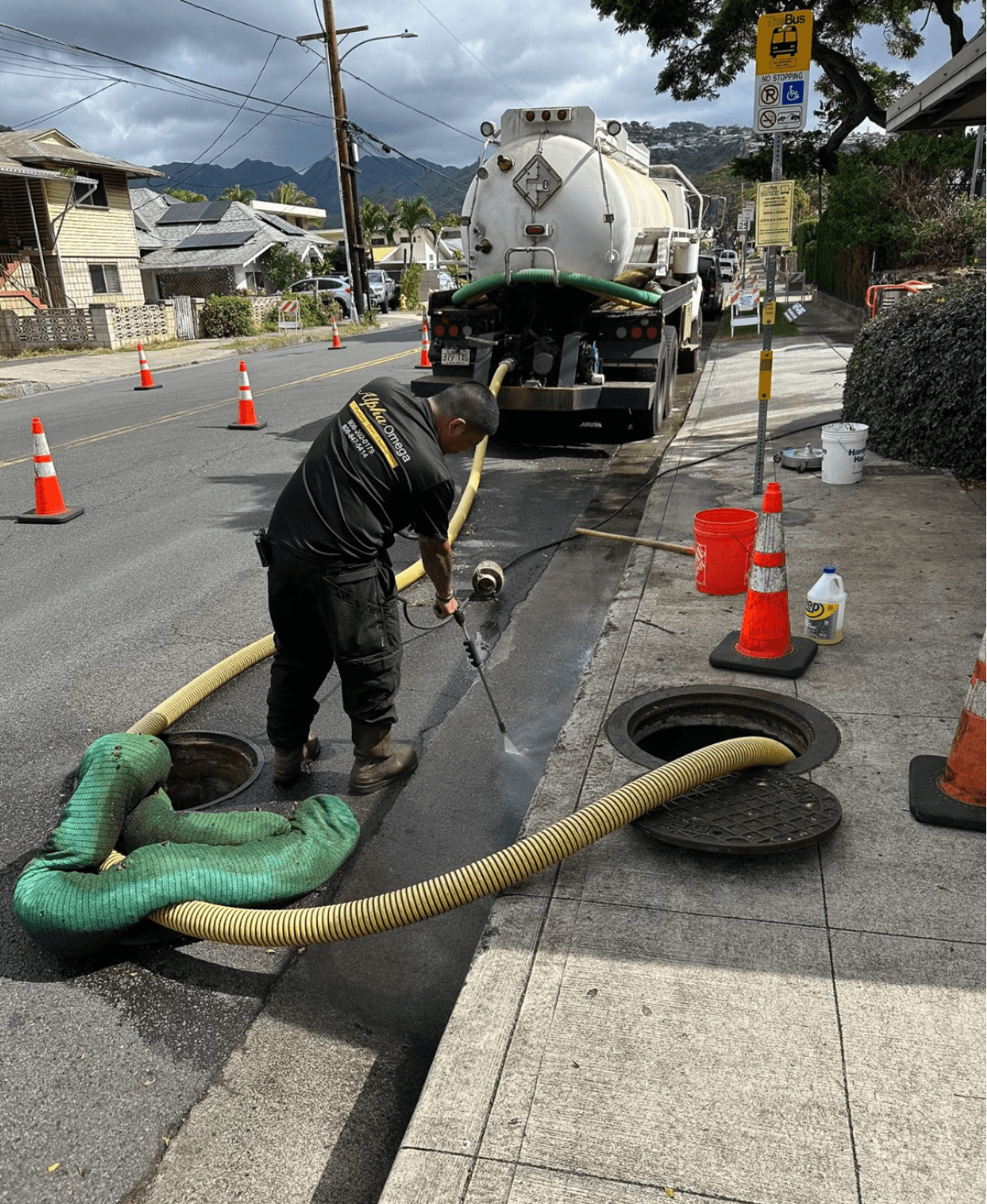
How Often Should You Pump a Septic Tank in Hawaii?
July 20, 2026 · Alpha Omega Plumbing Inc
If your O'ahu home runs on a septic tank or cesspool, the single most important thing you can do to protect it is pump it out on a regular schedule — and the most common question we hear is how often that should actually be. The short answer for a typical household septic tank is every three to five years, but that range shifts a lot depending on how many people live in the home, how big the tank is, and how the system gets used day to day. Wait too long and you risk a sewage backup or a failed drain field that costs many times more than a routine service. Below we break down what determines your ideal pumping schedule, the warning signs your system is overdue, and how Hawaii's climate factors in. When it's time, Alpha Omega Plumbing handles septic and cesspool pumping across the island — call (808) 847-5414.
What Determines How Often a Tank Needs Emptying
There's no single number that fits every property, because a septic tank fills at the pace your household lives. The two biggest factors are the size of the tank and the number of people using it. A large tank serving two people might comfortably go five years between pump-outs, while a smaller tank serving a full family of five or six can need service every two to three years. More people means more wastewater and more solids settling into the tank, and a smaller tank simply reaches capacity faster.
How you use water and drains matters just as much. A garbage disposal sends far more solids into the tank and can cut the interval between pump-outs nearly in half, since food scraps add to the sludge layer that has to be removed. Heavy laundry loads, long showers, and running a lot of water in a short window all push more through the system. Vacation rentals and homes with fluctuating occupancy are especially tricky, because usage spikes hard during busy stretches.
Cesspools — still extremely common on O'ahu — follow the same logic but usually need attention more often than modern septic tanks, since they lack a proper drain field to disperse liquid. If you're not sure what kind of system you have or when it was last serviced, that's worth sorting out before a problem forces the issue. Our team handles both septic and wastewater pumping and can tell you exactly where your system stands.
Recommended Cesspool and Septic Service Intervals on O'ahu
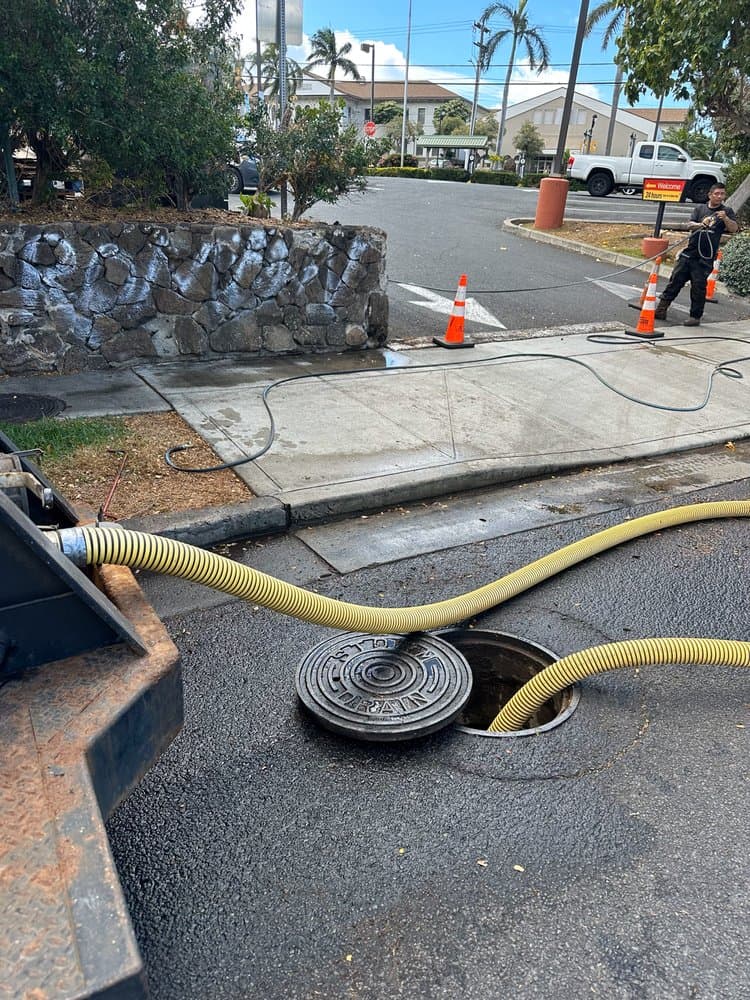
As a practical baseline, plan on having a residential septic tank inspected and pumped every three to five years, and lean toward the shorter end of that range if you have a larger household, a smaller tank, or a garbage disposal in heavy use. Cesspools generally warrant a look more frequently. Commercial properties — restaurants, multi-unit buildings, and anything with a commercial kitchen — often need recurring service on a much tighter schedule because of the sheer volume they process.
The most reliable approach isn't to guess from a calendar at all, but to have the tank inspected periodically and pumped based on the actual sludge and scum levels inside. A professional can measure how full the tank really is and tell you whether you're due now or have another year or two of headroom. That's why we document tank size and observations at every pump-out — it turns your next service from a guess into a scheduled certainty.
It's also worth knowing that Hawaii has been steadily phasing out cesspools under state law, with conversions to septic or connection to sewer required over the coming decades. You can read the specifics on the Hawaii Department of Health cesspool page. If your property still relies on a cesspool, regular pumping keeps it functioning in the meantime, and we can walk you through what an eventual conversion looks like.
Warning Signs Your System Is Overdue
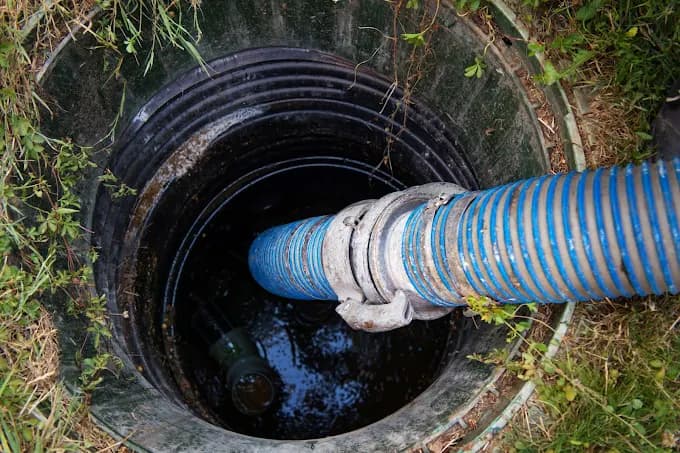
Even with a schedule in mind, your system will usually tell you when it's had enough. The earliest clue is slow drains throughout the house — not just one fixture, but sinks, tubs, and toilets all draining sluggishly at once, often with a gurgling sound. When the whole system slows down together, the problem is typically the tank, not an isolated clog.
Trust your nose, too. Foul sewage odors around the drains inside, or out in the yard near the tank and drain field, mean waste isn't moving through the system the way it should. Another telltale sign is a patch of grass over the drain field that's suddenly greener, lusher, or spongier than the rest of the lawn — that's partially treated effluent surfacing because the tank is too full to hold it. Standing water or damp, soggy ground in that area is a more serious version of the same warning.
The one you never want to reach is a sewage backup into a toilet, tub, or floor drain — the unmistakable signal that the tank has overflowed. If you see any of these signs, don't wait for your next scheduled service; call for an inspection right away. A video camera inspection can pinpoint what's happening before a small issue becomes a full backup, and our 24/7 emergency plumbing line is here if a backup has already started.
The Real Cost of Skipping Routine Maintenance
It's tempting to stretch the interval to save a little money, but a skipped pump-out is one of the most expensive gambles a homeowner can take. When a tank isn't emptied, the solid sludge layer keeps building until it has nowhere to go but out — pushing into the drain field or leach lines that were only ever designed to handle liquid. Those solids clog the soil's ability to absorb effluent, and once a drain field fails, it usually has to be replaced rather than repaired.
That's the crux of the math: a routine pump-out is a modest, predictable expense, while a failed drain field or a full system replacement can run into the thousands and often tens of thousands of dollars — before you factor in Hawaii's higher shipping and labor costs. There's also the mess and health hazard of raw sewage backing up into the home, and the environmental and compliance problems that come with an overflowing system contaminating groundwater near O'ahu's coastline.
The takeaway is simple: regular pumping is cheap insurance against a very costly failure. Staying on schedule protects your drain field, your property, and your family's health — and it keeps your system compliant with Hawaii's wastewater rules.
Scheduling Reliable Septic Care Across O'ahu
The honest answer to "how often should I pump my septic tank" is: often enough that it never becomes an emergency. For most O'ahu households that means every three to five years for a septic tank and somewhat more often for a cesspool, adjusted for your tank size, household, and how hard you run the system. The surest way to land on the right interval is to let a professional inspect the tank and base the schedule on what's actually inside.
Alpha Omega Plumbing has kept O'ahu's septic and cesspool systems running since 2014, with complete pumping, inspections, repairs, and cesspool-to-septic conversion for homes and businesses across the island. Whether you're overdue, seeing warning signs, or just want to set up a regular schedule so you never have to think about it, we're ready to help. Call us at (808) 847-5414 for honest advice and a free estimate, and we'll keep your system healthy for the long haul.
Frequently Asked Questions
How often should a septic tank be pumped in Hawaii?
For most O'ahu homes, a septic tank should be inspected and pumped every three to five years, and a cesspool more often. Larger households, smaller tanks, and heavy garbage disposal use all shorten that interval. The most accurate approach is to have the tank inspected and pumped based on the actual sludge level — Alpha Omega Plumbing can check yours at (808) 847-5414.
How much does it cost to pump a septic tank on O'ahu?
Pricing depends on tank size, accessibility, and how full the system is, and Hawaii's shipping and labor costs run higher than the mainland. Whatever the number, a routine pump-out is far cheaper than replacing a failed drain field. Alpha Omega Plumbing gives upfront pricing and free estimates — call (808) 847-5414.
What happens if you don't pump your septic tank?
Solids build up until they overflow into the drain field, clogging the soil so it can no longer absorb wastewater. That leads to sewage backups, foul odors, soggy ground, and often a full drain field replacement costing many times more than routine service. Regular pumping is the cheapest way to avoid all of it.
Do cesspools need to be pumped more often than septic tanks?
Generally yes. Cesspools lack a proper drain field to disperse liquid, so they tend to need attention more frequently than a modern septic tank. Hawaii is also phasing cesspools out over time, so if your property has one, regular pumping keeps it working while you plan an eventual conversion. Alpha Omega Plumbing services both — reach us at (808) 847-5414.
Learn more about our Septic & Cesspool Services services on Oʻahu
septic and cesspool pumping →Alpha Omega Plumbing Inc
Serving all of O'ahu since 2014.
More From the Blog


Need a Plumber on O'ahu?
Insured and available 24/7 for emergencies across the island.