
How Long Should a Water Heater Last in Hawaii?
July 23, 2026 · Alpha Omega Plumbing Inc
Ask most plumbers how long a water heater should last and you'll hear "about ten years" — but in Hawaii that answer needs an asterisk. A conventional tank heater typically lasts 8 to 12 years, a tankless unit can run 15 to 20, and a solar system's storage tank usually falls somewhere in between. What changes the math here is the environment: O'ahu's salt air, humidity, and mineral-heavy water all work against the metal inside your heater, so a unit that might reach twelve years on the mainland can wear out sooner on the island. Below we break down the realistic service life of each type, what quietly shortens it, the signs yours is on the way out, and how to squeeze more years from it. When it's time to look at water heater repair or replacement, Alpha Omega Plumbing is a call away at (808) 847-5414.
Average Lifespan of Tank, Tankless, and Solar Systems
The type of unit you own is the single biggest predictor of how many years you'll get out of it. A standard storage-tank heater — the familiar tall cylinder in the garage or closet — is generally rated for 8 to 12 years. That number assumes the tank is maintained; neglected units regularly fail on the early end of the range, sometimes before year eight, because sediment and corrosion eat away at the tank from the inside.
Tankless (on-demand) heaters last considerably longer, commonly 15 to 20 years, because they heat water only as it flows and have no standing tank of water sitting against bare steel around the clock. Their components are also more serviceable — many parts can be replaced individually rather than scrapping the whole appliance. If you're weighing the two, our guide on tankless versus traditional water heaters walks through the trade-offs in detail.
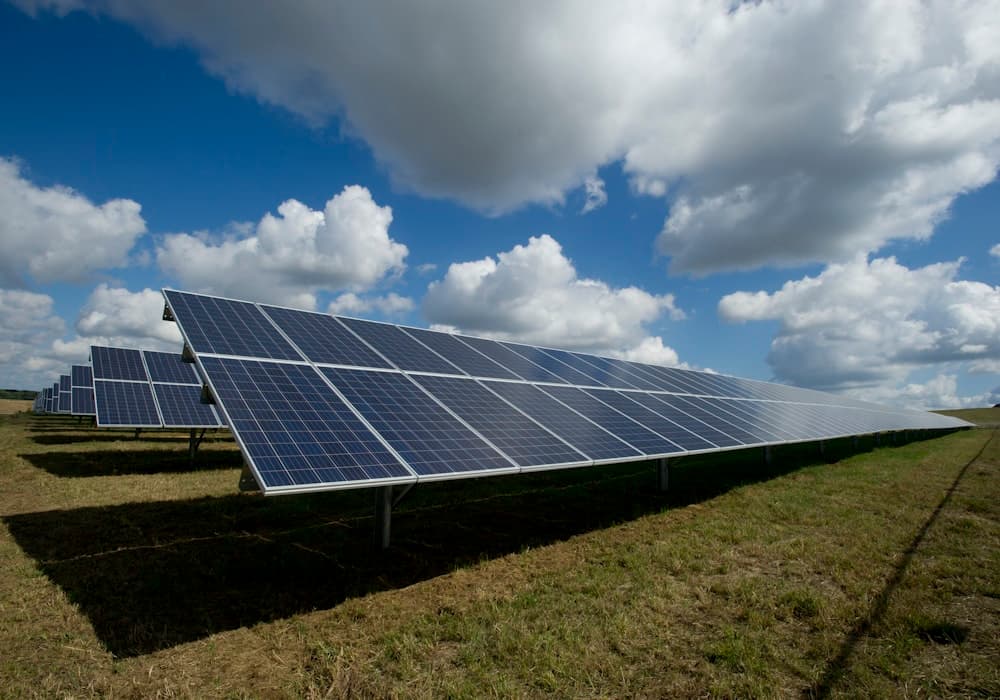
Solar water heating is extremely common on O'ahu, and for good reason given the year-round sun. The rooftop collectors themselves can last 20 years or more, but the storage tank and the backup electric element wear on a schedule closer to a conventional tank — so "solar" systems still need tank attention every decade or so. Whatever type you have, think of the manufacturer's rating as a best case that Hawaii's climate tends to trim, not extend.
How Salt Air and Hard Water Speed Up Corrosion
Two things about island living are hard on a water heater. The first is salt air. Homes near the coast — which on O'ahu is most of them — sit in a constant salty, humid atmosphere that accelerates rust on any exposed metal, from the tank jacket to fittings and the burner assembly. That's the same corrosion that shortens the life of cars and railings here, and your heater isn't immune to it.
The second is water chemistry. Much of Hawaii's water carries dissolved minerals that settle out as scale when heated, forming a layer of sediment across the bottom of a tank. That sediment insulates the water from the burner, forces the unit to run hotter and longer, and creates hot spots that weaken the steel and burn out heating elements early. Over years, it's the quiet reason a heater that should have lasted a decade gives up at year seven or eight.
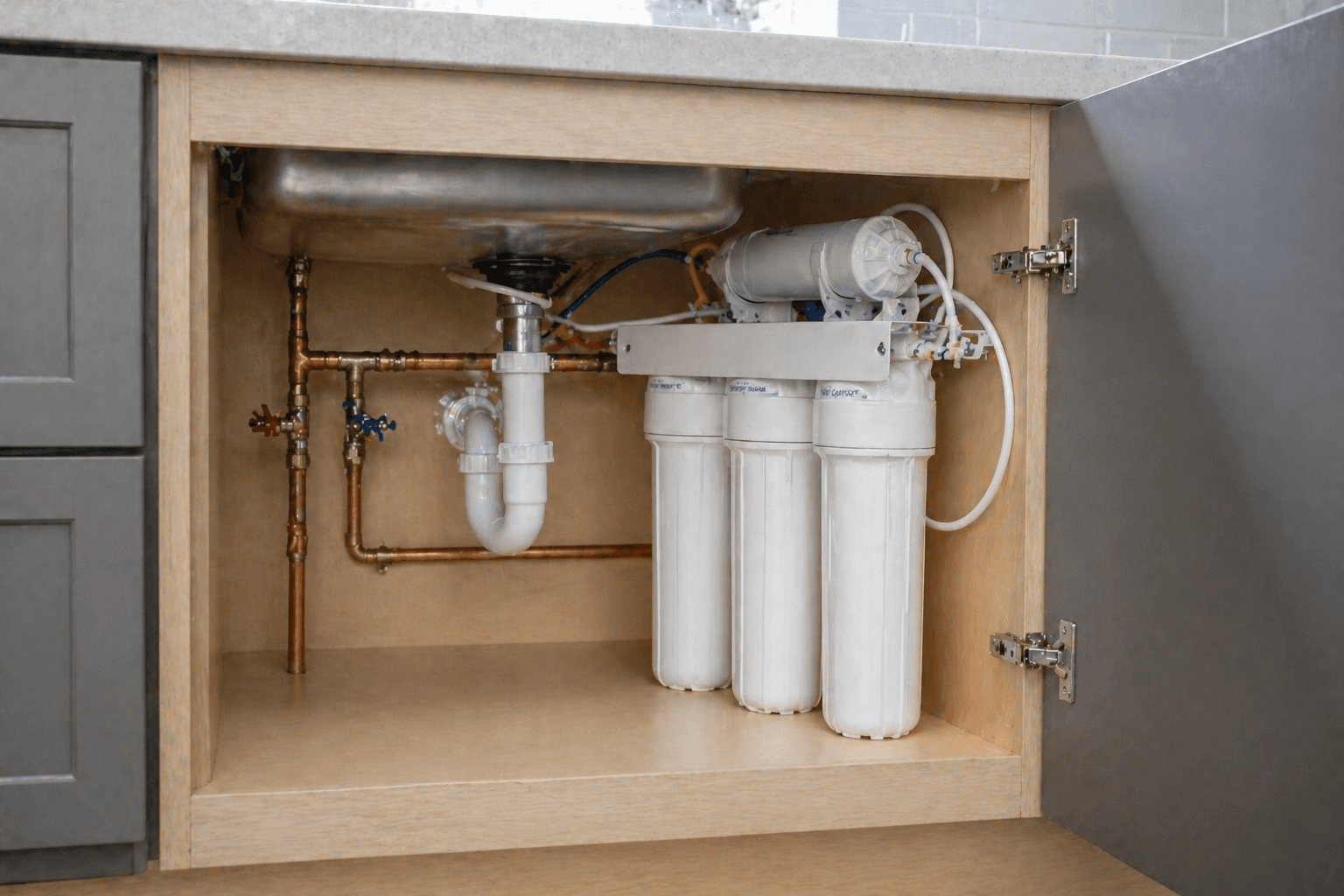
You can't change the climate, but you can blunt its effects. Whole-home filtration or softening reduces the mineral load reaching the tank, annual flushing clears out sediment before it hardens, and keeping an eye on the sacrificial anode rod — the part designed to corrode instead of your tank — makes a real difference. If you've noticed rust-tinted hot water or scale on your fixtures, it's worth having the tank checked before the corrosion reaches the point of no return.
Signs Your Unit Is Nearing the End of Its Service Life
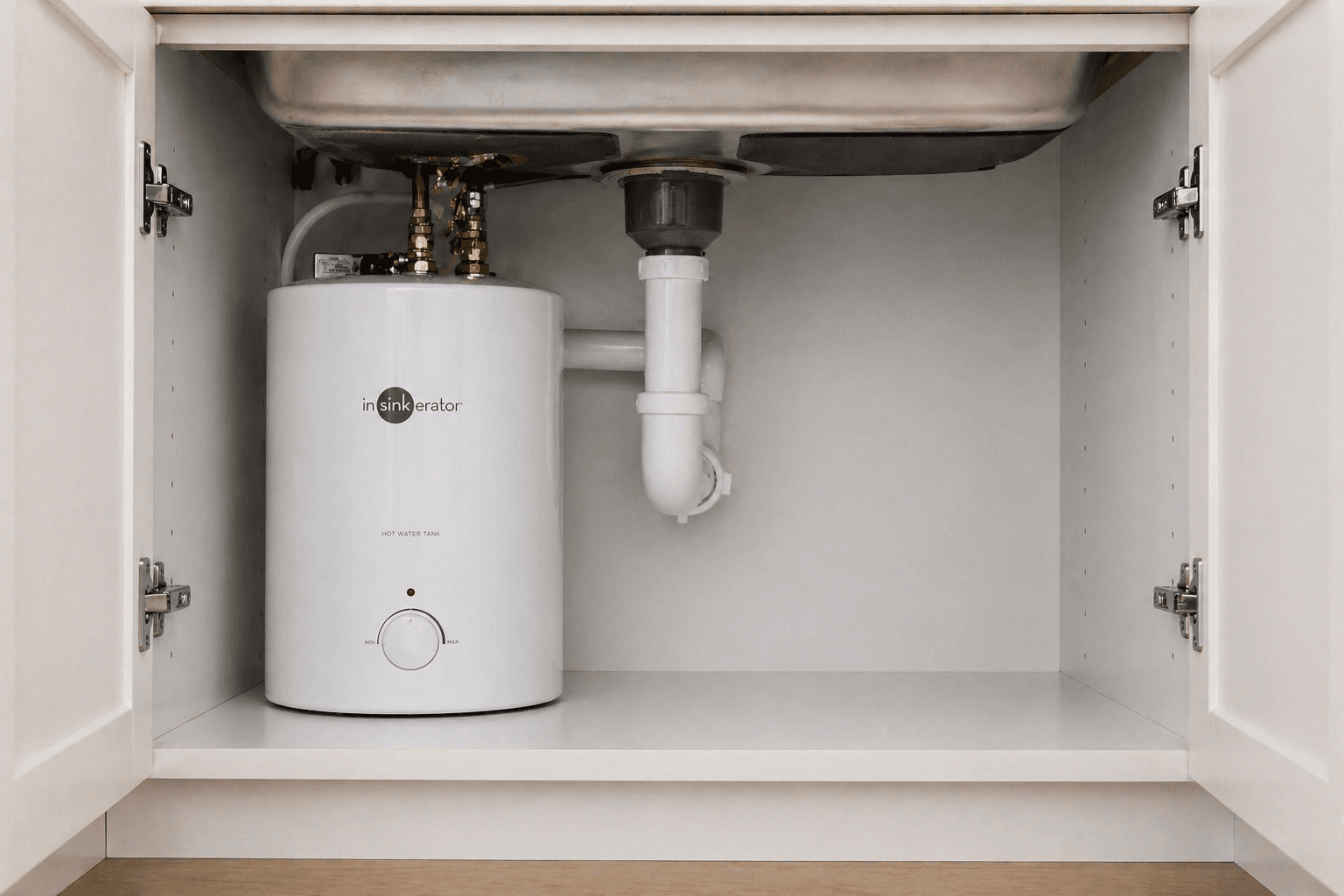
A failing heater usually gives warning before it quits for good. The most common early clue is inconsistent temperature — water that runs lukewarm, takes longer to heat, or runs out faster than it used to. That often means sediment has built up enough to steal capacity, or a heating element is on its way out.
Pay attention to what you see and hear, too. Rusty or metallic-smelling hot water, rumbling or popping noises from the tank as it heats, and any moisture, drips, or rust around the base are all signs the tank itself is deteriorating. A tank that's actively leaking is not a repair job — it's a countdown to a burst, and it should be addressed immediately. If you find water pooling around the unit, shut off its water supply and call for emergency plumbing help before it floods the space.
Age is the final piece. Once a tank heater passes the ten-year mark — you can find the manufacture date in the serial number on the label — every one of these symptoms carries more weight, and the smart money shifts from repairing toward planning a replacement on your terms rather than on the day it fails.
Simple Maintenance That Adds Years to Your Heater
Most water heaters that die young weren't defective — they were just never maintained. The single most valuable habit is flushing the tank once a year to remove the sediment that builds up on O'ahu faster than almost anywhere. A yearly flush keeps the burner efficient, protects the steel from hot spots, and can add years to the tank's usable life.
Two more items matter. Have the anode rod inspected every few years and replaced when it's mostly eaten away — a fresh rod continues absorbing the corrosion that would otherwise attack the tank, and it's a fraction of the cost of a new heater. And check the temperature setting: 120°F is the sweet spot for most homes, hot enough for comfort and safety while running cool enough to slow scale buildup and reduce strain on the system.
None of this is glamorous, but it's the difference between a heater that limps to year eight and one that comfortably reaches twelve. If you'd rather not crawl behind the unit yourself, a plumber can handle a flush and anode check in a single visit — call (808) 847-5414 and we'll take care of it.
When to Repair, Replace, or Upgrade on O'ahu
Deciding between a fix and a full replacement comes down to age, cost, and how the unit is failing. A younger heater with a bad element or thermostat is usually worth repairing. But once a unit is past its expected lifespan — or the tank itself is leaking or heavily corroded — pouring money into repairs rarely pays off, and replacement is the sounder move. A common rule of thumb: if the repair costs more than half the price of a new unit and the heater is near the end of its rated life, replace it.
A replacement is also the natural moment to consider an upgrade. If you've been running out of hot water, a larger tank or a switch to tankless may fit your household better; if energy costs on the island have you frustrated, solar with an efficient backup can pay off over time. There's no single right answer — it depends on your home, your budget, and how you use hot water.
Alpha Omega Plumbing has been servicing, repairing, and installing water heaters across O'ahu since 2014, and we'll give you a straight recommendation rather than an automatic upsell. Whether you need a yearly flush, an emergency swap after a leak, or honest advice on repair versus replace, call us at (808) 847-5414 for a free estimate and we'll help you get the most life out of your hot water.
Frequently Asked Questions
How long does a water heater last in Hawaii?
A conventional tank heater typically lasts 8 to 12 years, a tankless unit 15 to 20, and a solar system's storage tank about a decade. O'ahu's salt air and mineral-heavy water tend to shorten those ranges, so annual maintenance matters more here than on the mainland. Alpha Omega Plumbing can assess yours at (808) 847-5414.
How much does it cost to replace a water heater on O'ahu?
Cost depends on the type and size of the unit, the complexity of the install, and whether you're switching between tank, tankless, or solar. Hawaii's shipping and labor rates run higher than the mainland, so an accurate quote matters. Alpha Omega Plumbing gives upfront pricing and free estimates — call (808) 847-5414.
Why do water heaters fail faster in Hawaii?
Two island factors are to blame: salty, humid coastal air that accelerates rust on the tank and fittings, and mineral-heavy water that leaves scale and sediment inside the tank. Together they corrode and overwork the unit faster than in drier, softer-water climates, which is why regular flushing and anode checks are so valuable here.
Is it worth repairing an old water heater or should I replace it?
If the unit is under about eight years old and the problem is a part like an element or thermostat, repair usually makes sense. If it's past its rated lifespan, leaking, or the repair costs more than half a new unit, replacement is the smarter investment. Alpha Omega Plumbing will give you an honest recommendation — reach us at (808) 847-5414.
Learn more about our Water Heater Services services on Oʻahu
water heater repair or replacement →Alpha Omega Plumbing Inc
Serving all of O'ahu since 2014.
More From the Blog



Need a Plumber on O'ahu?
Insured and available 24/7 for emergencies across the island.