
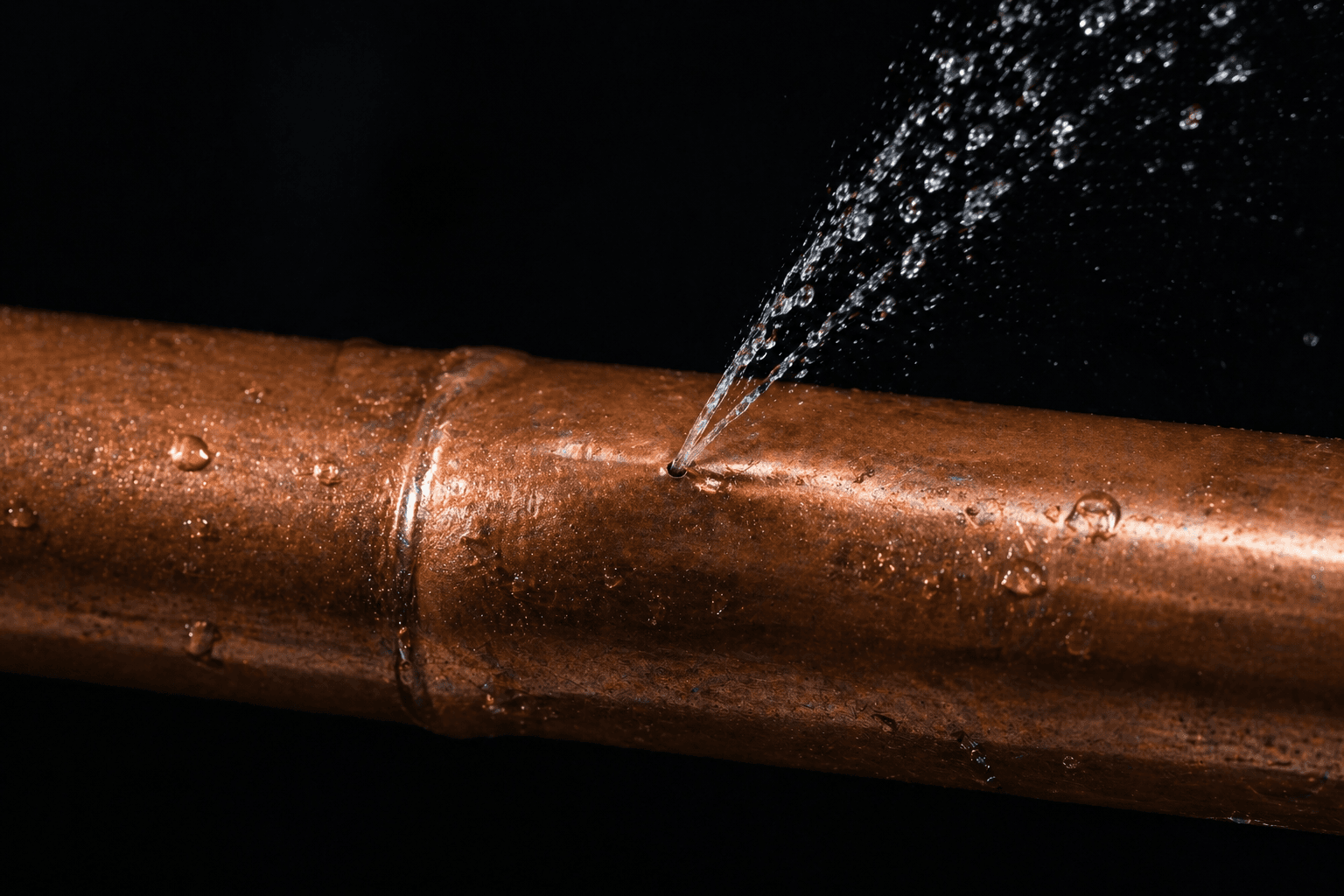
The O'ahu Homeowner's Seasonal Plumbing Maintenance Checklist
June 11, 2026 · Alpha Omega Plumbing Inc
The cheapest plumbing repair is the one you never need — and on O'ahu, a little routine upkeep goes a long way toward avoiding the big, expensive failures. A simple seasonal plumbing maintenance routine means checking your pipes, drains, water heater, and fixtures a few times a year so small problems get caught while they're still small. Hawai'i's salt air, mineral-heavy water, and stock of older homes are tough on a plumbing system, which makes preventive care even more important here than on the mainland. This checklist walks you through exactly what to look at, season by season, so you can protect your home and your wallet. If you ever find something that's beyond a quick fix, Alpha Omega Plumbing is one call away at (808) 847-5414.
Why Hawai'i's Climate Is Hard on Home Plumbing Systems
Before you start inspecting anything, it helps to understand what you're up against. O'ahu's environment is uniquely demanding on a home's pipes and fixtures, and the same conditions that make the islands beautiful also wear plumbing down faster than almost anywhere on the mainland. Salt air drifts inland from every coast and quietly corrodes exposed metal — valves, supply lines, water heater housings, and fittings all oxidize sooner here.
Hard water is the second culprit. Hawai'i's water carries dissolved minerals that build up as scale inside pipes, faucet aerators, and water heater tanks. Over time that scale narrows the flow, drops your water pressure, and shortens the life of every appliance the water touches. You can't see it happening behind the walls, which is exactly why scheduled checks matter — by the time a homeowner notices the symptoms, the damage is often well along.
Finally, a large share of Honolulu-area homes were built decades ago with galvanized steel pipe that corrodes from the inside out. Combine aging pipe with salt and scale and you get a plumbing system that rewards attention and punishes neglect. A few minutes of seasonal general plumbing maintenance is the simplest insurance you can buy against a flooded floor or a burst line.
Your Room-by-Room Home Inspection Routine
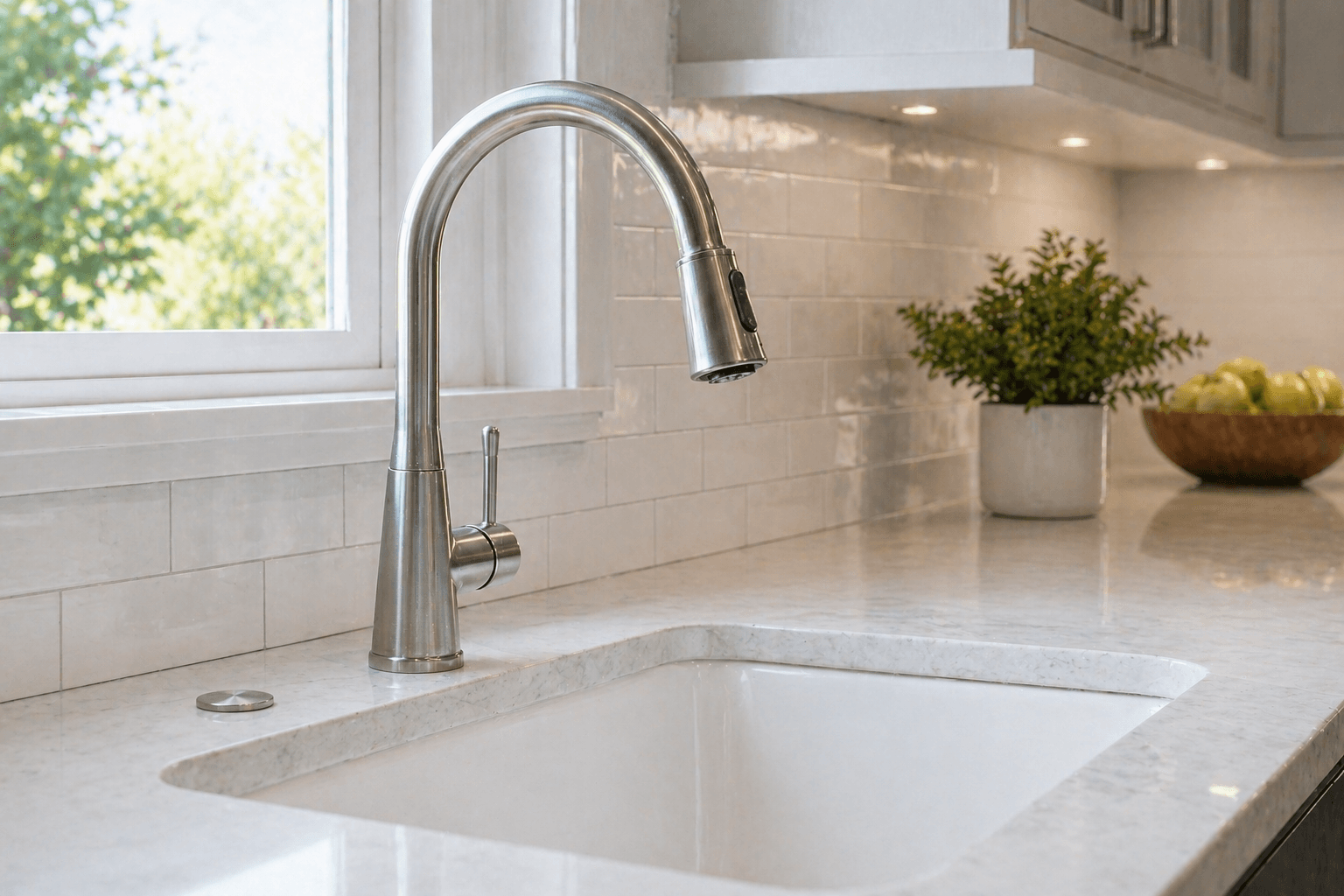
A good walkthrough takes about twenty minutes and costs nothing. Start in the kitchen and each bathroom: open the cabinet under every sink and feel the supply lines and shutoff valves for moisture, then look for water stains, warped wood, or a musty smell — all early signs of a slow drip. Turn each faucet on and off and watch the base for leaks, and give every shutoff valve a gentle quarter-turn so it doesn't seize up; a frozen valve is useless in an emergency.
Move on to your toilets. Listen for one that runs after the flush finishes, and try the food-coloring test: add a few drops to the tank, wait ten minutes, and if color appears in the bowl you have a leaking flapper wasting water around the clock. Check the floor around the base for any softness or rocking, which can signal a failing wax seal. While you're at it, scan visible pipes in the garage, laundry, and crawl space for green corrosion on copper or rust streaks on steel.
Don't forget the outside of the house. Walk the perimeter and look at hose bibs, the irrigation manifold, and any exposed lines for drips or mineral crust. Test your water pressure by turning on a couple of fixtures at once — if the flow has noticeably weakened since last season, scale buildup or a developing leak may be the cause, and that's worth a closer look before it gets worse.
Protecting Drains and Aging Pipes From Salt and Scale
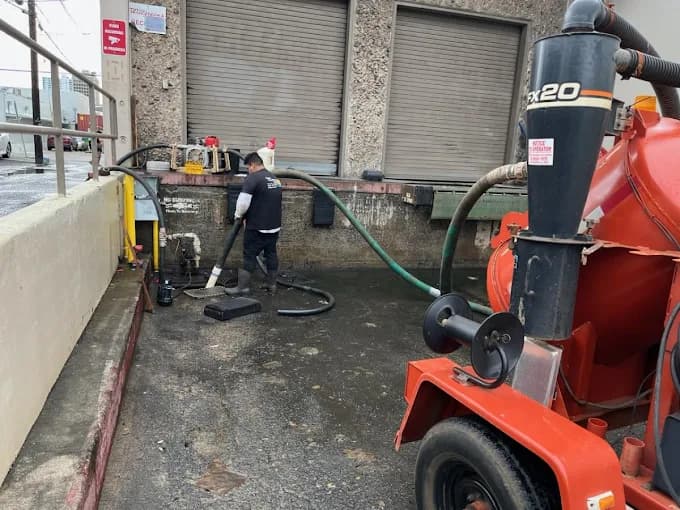
Drains are where small habits pay off the most. The single best thing you can do is keep grease, coffee grounds, and fibrous food scraps out of the kitchen sink, and hair out of the shower with an inexpensive strainer. Once a month, flush each drain with a kettle of hot water to keep buildup from hardening into a clog. Skip the chemical drain cleaners — they're harsh on Hawai'i's older pipe and rarely solve a real blockage anyway.
If a drain is already slow or you hear gurgling, don't wait for it to stop completely. A professional drain cleaning clears the line properly without the caustic chemicals that eat at aging galvanized pipe, and catching a partial clog early is far cheaper than dealing with a full backup. Homes with mature trees should pay special attention to the main sewer line, where roots love to creep into old joints.
For the pipes themselves, the goal is to slow corrosion and spot trouble before it bursts. Insulate any exposed lines in the garage or under the house to reduce condensation and wear, keep an eye on water pressure that's running too high (above about 80 psi stresses every joint), and note any discoloration in your water — brown or rusty water is a sign galvanized pipe is breaking down from the inside and may be due for replacement.
Water Heater and Fixture Upkeep Through the Year
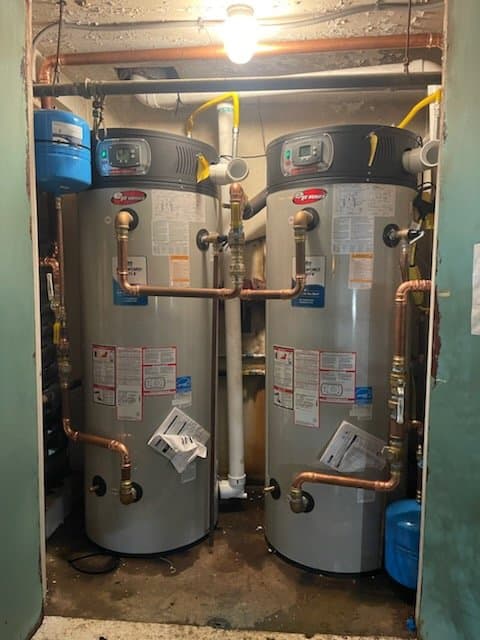
Your water heater works hard in Hawai'i's hard water, and a once-a-year flush is the most valuable maintenance task most homeowners skip. Sediment and scale settle to the bottom of the tank, making the unit work harder, raising your energy bill, and shortening its life. Draining a few gallons until the water runs clear clears that sediment out; if you're not comfortable doing it, our water heater team handles it as a quick service call. Also test the temperature-and-pressure relief valve and check the area around the base for any signs of a slow leak.
Fixtures deserve a seasonal once-over too. Unscrew faucet aerators and showerheads and soak them in vinegar to dissolve the mineral scale that's throttling your flow — it's a five-minute fix that restores pressure for free. Replace worn washers in dripping faucets, and check that caulking around tubs, showers, and sinks is intact so water isn't seeping behind tile and into the wall.
Tie it all to the calendar so it actually gets done. A simple rhythm works well on O'ahu: inspect under sinks and test valves each spring, flush the water heater and clean aerators in summer, check outdoor lines and irrigation before the wetter winter months, and do a quick whole-home leak scan after any major storm. Put two or three reminders on your phone and the whole routine becomes a habit instead of a chore.
When to Call a Professional on O'ahu
Routine maintenance is something most homeowners can handle, but knowing your limits protects both your home and your safety. Call a plumber when you find active corrosion or repeated leaks on the same line, when water pressure stays low after you've cleaned the fixtures, when drains back up despite regular care, or any time you spot brown water that points to failing galvanized pipe. These are signs of a problem that's already underway, not a future risk.
And don't wait on a true emergency. A burst pipe, a sewage backup, or a water heater leaking onto the floor needs a real plumber right away — the longer water runs, the more damage it does, especially in O'ahu's older homes. Alpha Omega Plumbing answers calls 24/7, so if your seasonal check turns up something serious or you're facing a plumbing emergency tonight, you're never on your own.
The bottom line: a few minutes of seasonal upkeep prevents the vast majority of expensive plumbing failures, and a trusted local plumber handles the rest. If you'd like a professional set of eyes on your system — or you've found something on this checklist that doesn't look right — call Alpha Omega Plumbing at (808) 847-5414 for honest advice and a free online estimate anywhere on O'ahu, from Honolulu and Kailua to Pearl City, Mililani, and Kapolei.
Frequently Asked Questions
How often should I do plumbing maintenance on my O'ahu home?
A quick inspection every season — roughly four times a year — is ideal, with a yearly water heater flush. O'ahu's salt air and hard water wear plumbing faster than the mainland, so regular checks catch leaks and corrosion early. Alpha Omega Plumbing can handle the annual service for you at (808) 847-5414.
What plumbing maintenance can I do myself versus hiring a plumber?
Homeowners can safely check under-sink supply lines, test shutoff valves, clean faucet aerators, and flush drains with hot water. Leave active leaks, low pressure that won't clear, sewer backups, brown water, and water heater repairs to a plumber. When in doubt, call (808) 847-5414 for a free online estimate.
Why does plumbing wear out faster in Hawai'i?
Salt air corrodes exposed metal fittings and valves, while Hawai'i's mineral-heavy hard water builds scale inside pipes and water heaters. Many Honolulu-area homes also have older galvanized steel pipe that corrodes from the inside out, so preventive maintenance matters more here than in most mainland climates.
How do I know if my home has a hidden water leak?
Watch for an unexplained jump in your water bill, the sound of running water when everything is off, musty smells, warm spots on the floor, or stained walls. The toilet food-coloring test catches a leaking flapper. If you suspect a hidden leak, call Alpha Omega Plumbing at (808) 847-5414 for professional leak detection.
Learn more about our General Plumbing Services services on Oʻahu
general plumbing →Alpha Omega Plumbing Inc
Serving all of O'ahu since 2014.
More From the Blog
Need a Plumber on O'ahu?
Insured and available 24/7 for emergencies across the island.