
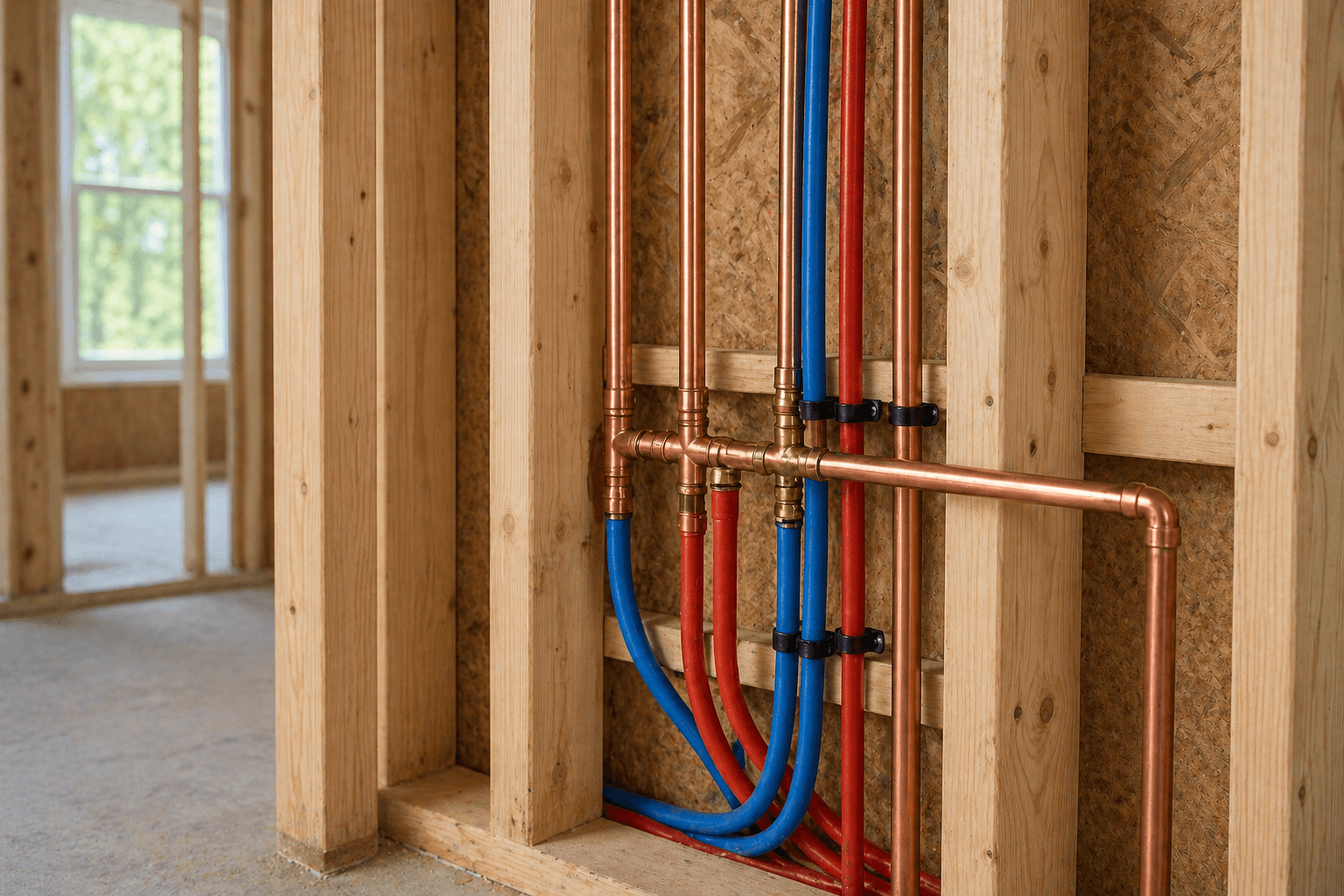
Renovating? Handling Construction Debris in Hawaii
July 30, 2026 · Alpha Omega Plumbing Inc
Every renovation produces more waste than the homeowner planned for. A single bathroom gut generates old tile, a cast-iron tub, torn-out drywall, cabinetry, and a surprising volume of dust-covered lumber — and on an island where every ton has to be buried or shipped, where that material ends up genuinely matters. Handling construction debris responsibly isn't just about staying on the right side of Hawai'i's disposal rules; it's about keeping reusable material out of a landfill with a finite lifespan. This guide covers how to plan for demolition waste before the first wall comes down, what can actually be recycled on O'ahu, the regulated materials hiding in older island homes, and how to time a dumpster rental on O'ahu around your build. Questions on any of it? Alpha Omega Plumbing is at (808) 847-5414.
Plan for Renovation Waste Before Demolition Starts
The most expensive mistake in a remodel is treating waste as an afterthought. Crews start swinging hammers, debris piles up in the driveway or the yard, and by the time anyone thinks about hauling it, the pile has been rained on, mixed together, and is now three separate disposal problems instead of one. Deciding where material goes before demolition day costs you an hour of planning and saves days of scrambling.
Start by walking the project and estimating what's coming out, material by material. A kitchen remodel is mostly cabinetry, countertop, flooring, and drywall. A bathroom adds tile, a tub or shower pan, and fixtures. A reroof is almost entirely shingles or metal, which is heavy and often has its own disposal path. Knowing the mix matters because weight, not volume, drives your final cost — a bin full of tile and concrete hits its tonnage allowance long before it looks full, while the same container packed with cabinetry and drywall may never come close.
Then set aside a staging area on the property. One clear spot where material can be sorted as it comes out — salvage here, metal there, general debris in the bin — is the single practice that separates a clean jobsite from a chaotic one. On tight O'ahu lots this takes some thought, but even a tarped corner of the carport works. Sorting at the moment of demolition takes seconds; sorting a mixed pile a week later takes hours, and most people simply don't, which is how recyclable material ends up in a landfill.
Which Remodel Materials Can Be Recycled on O'ahu
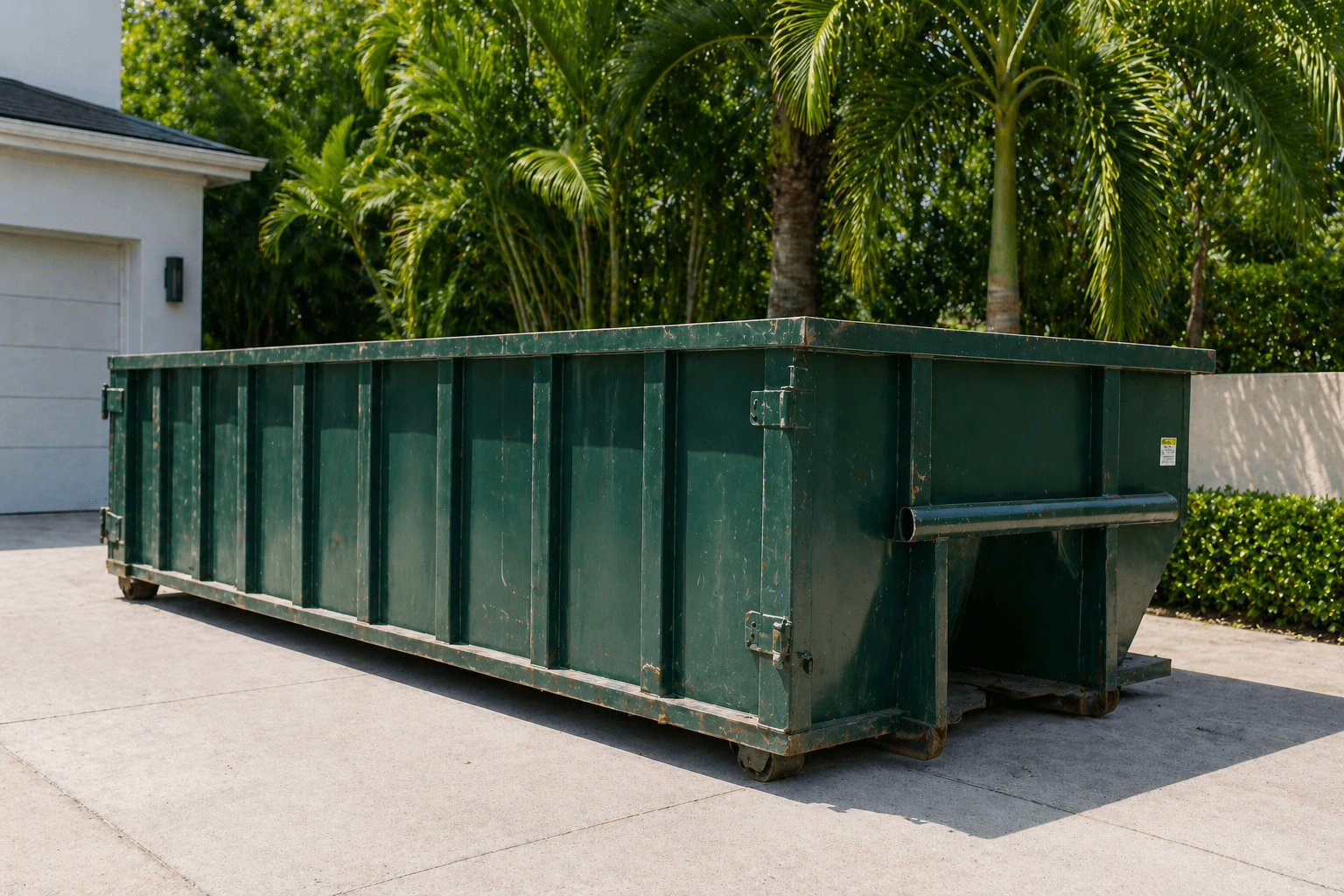
A large share of what comes out of a renovation has somewhere better to go than the landfill. Nationally, construction and demolition activity generates more than twice the waste of ordinary household trash, and the EPA notes that the great majority of it is material that could be recovered rather than buried. On an island with limited landfill capacity, that gap is worth closing.
Scrap metal is the easiest win and the one most people overlook. Copper pipe pulled during a repipe, a cast-iron tub, an old water heater tank, aluminum window frames, steel framing, and appliance carcasses all have real scrap value, and O'ahu has metal recyclers who will take them. Set metal aside in its own pile from the start rather than letting it disappear into the bin — you're throwing away money otherwise. Clean, untreated lumber and unpainted concrete or masonry also have recovery options, and green waste from any landscaping work belongs in the green-waste stream, not mixed debris.
Don't forget reuse before recycling. Cabinets, solid doors, light fixtures, sinks, and working appliances in decent condition are worth more to a local salvage or building-reuse organization than they are as scrap, and donating them can mean a tax receipt instead of a disposal charge. If you're pulling out fixtures during a remodeling project, decide early which pieces are coming out intact — that decision has to be made before demolition, because a tub removed carefully is donatable and one removed with a sledgehammer is not.
Regulated and Hazardous Materials in Older Island Homes

This is the part of a renovation that homeowners most often get wrong, and it carries the highest stakes. Homes built before the late 1970s and early 1980s — a large portion of O'ahu's housing stock — can contain asbestos in floor tile and its mastic, pipe wrap and duct insulation, textured ceilings, and certain siding and roofing products. Lead-based paint is common in the same era of construction. Neither is dangerous while it sits undisturbed; both become a genuine health hazard the moment a saw or sledgehammer turns them into airborne dust.
If your home is from that period and your project will disturb any of those materials, testing comes before demolition, not after. Asbestos abatement in Hawai'i is regulated by the state Department of Health and must be handled by licensed abatement contractors under specific notification and containment requirements — it is not a DIY task, and it cannot go in a roll-off container with the rest of your debris. The same goes for lead-paint disturbance, which has its own work practices designed to keep dust contained.
A shorter list of everyday items is also barred from any dumpster: paint and solvents, motor oil, adhesives, pesticides, batteries, propane tanks, fluorescent tubes and ballasts, electronics, tires, and any appliance containing refrigerant. On an island where soil and groundwater feed directly into the aquifer and eventually the reef, improper disposal of these materials isn't a paperwork problem — it's a contamination problem. Flag anything questionable to your disposal provider before it goes in the bin, and there's almost always a correct channel for it.
Timing Debris Removal Around Your Build
Sequencing the container is what keeps a renovation moving. Have the bin delivered a day or two ahead of demolition so crews never have a reason to start a pile on the ground, and schedule the pull once the messy phases are genuinely finished. On larger projects a single container rarely covers the whole job — a swap-out after demolition, with a second bin during finish work, usually costs less than renting one oversized container that sits idle for six weeks. Talk through the phases up front and the schedule tends to sort itself out.
Coordinate the trades, too. Demolition, rough-in, and inspection have to happen in a specific order, and debris removal that's scheduled without regard for that order is how a bin ends up blocking the driveway on the morning the plumbing inspector arrives. If your remodel involves relocating supply lines, drains, or fixtures, our general plumbing crew can slot the rough-in work into the schedule so the walls only get opened once.
Alpha Omega Plumbing has worked alongside O'ahu homeowners and contractors since 2014, and we handle both halves of a renovation — the plumbing inside the walls and the debris that comes out of them. If you've got a remodel on the calendar and want the waste side planned properly instead of improvised, call (808) 847-5414 and we'll size the container, sequence the pickups, and make sure everything ends up where it legally belongs.
Frequently Asked Questions
What do I do with construction debris from a home renovation in Hawaii?
Sort it as it comes out: scrap metal to a recycler, salvageable cabinets and fixtures to a reuse organization, green waste to its own stream, and the remaining mixed debris into a roll-off container. Hazardous and regulated materials have to be handled separately. Alpha Omega Plumbing can set the whole plan up — call (808) 847-5414.
How much does it cost to dispose of remodel waste on O'ahu?
Cost is driven by container size and total weight, and Hawai'i's disposal fees run higher than the mainland because island landfill capacity is limited. Heavy debris like tile, concrete, and roofing hits weight allowances quickly. Alpha Omega Plumbing offers free, all-in estimates at (808) 847-5414.
Can I put asbestos or lead paint debris in a dumpster?
No. Asbestos-containing materials are regulated by the Hawai'i Department of Health and must be removed by a licensed abatement contractor under specific containment and notification rules, and lead-paint debris has its own required work practices. Many O'ahu homes built before the early 1980s contain one or both, so test before you demolish.
Should I handle demolition debris myself or hire it out?
Loading a container yourself is reasonable for a small remodel if you can sort as you go and stay under the weight allowance. Larger gut jobs, anything involving regulated materials, and projects on tight lots are better handed off. Alpha Omega Plumbing can size the bin and manage the haul — call (808) 847-5414.
Learn more about our Dumpster Rental services on Oʻahu
dumpster rental on O'ahu →Alpha Omega Plumbing Inc
Serving all of O'ahu since 2014.
Need a Plumber on O'ahu?
Insured and available 24/7 for emergencies across the island.