
Cesspool vs. Septic Tank: What's the Difference?
October 22, 2026 · Alpha Omega Plumbing Inc
The difference between a cesspool and a septic tank comes down to treatment. A cesspool is an open-bottomed pit that lets raw household wastewater soak straight into the ground. A septic tank is a sealed, watertight container that holds wastewater long enough for solids to settle out, then sends the clearer liquid to a leach field where the soil filters it before it reaches groundwater. Both sit underground, both need pumping, and from the yard they can look almost identical, which is why so many O'ahu homeowners aren't sure which one they have. Here's how each system works, how their upkeep compares, how to tell them apart, and why Hawai'i now treats them so differently.
How a Cesspool Handles Household Wastewater
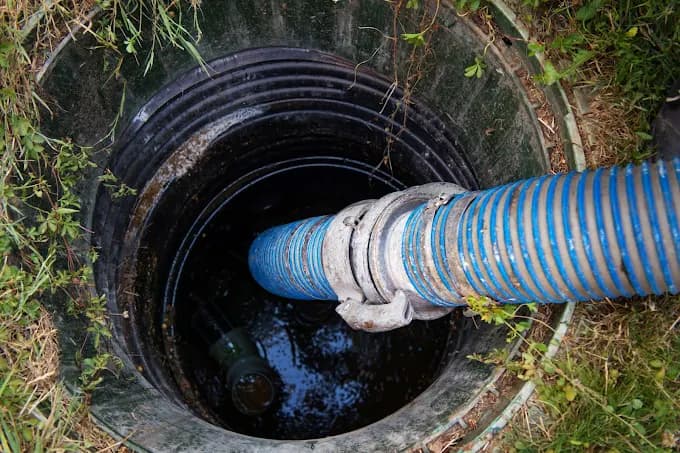
A cesspool is the simplest system there is. Every drain in the house, toilets, showers, the kitchen sink and the washing machine, runs through one pipe into a pit lined with concrete rings, block or rock. The bottom, and often the sides, are open. Liquid seeps out into the surrounding soil, and the solids stay behind in the pit.
Nothing in that process actually cleans the water. There's no chamber to separate grease and solids, and no soil bed designed to filter what leaves. The wastewater that drains out of a cesspool carries the same bacteria, viruses and nutrients it had when it left the house. On O'ahu, where many homes sit on porous volcanic rock, coral or sandy soil close to the water table, that untreated water can reach groundwater, streams and the nearshore reef quickly.
Over time, the soil around the pit clogs with fine solids and a biological mat, so the cesspool drains more slowly. Pumping removes the sludge and buys time, but it can't restore soil that has sealed up. That's why older cesspools in places like Waimānalo, Kahalu'u and Hau'ula often need pumping more and more frequently as they age.
Inside a Septic System: Watertight Tank Plus Leach Field
A septic system splits the job into two stages. The first is the tank, a sealed concrete or plastic container that wastewater flows into and sits in for a day or more. Heavy solids sink to the bottom as sludge, grease and oils float to the top as scum, and bacteria start breaking down the organic material. A baffle or outlet filter keeps the sludge and scum in the tank while the middle layer of clearer liquid moves on.
The second stage is the leach field, also called a drain field or absorption bed. Perforated pipes laid in gravel trenches spread that liquid across a wide area of soil, and the soil does the real treatment, filtering out bacteria and pathogens as the water percolates down. Size, depth and setback from wells, streams and the shoreline are all set by the system's design, which is why a septic system has to be engineered for the specific lot.
On lots where a standard leach field won't fit or the soil won't treat water well enough, an aerobic treatment unit adds air to break waste down further before discharge. It's still a septic-style system, just with an extra treatment step and more regular servicing. Our septic system services cover all three: conventional tanks, leach fields and aerobic units.
Treatment, Pumping and Maintenance Side by Side
The biggest practical difference for a homeowner is how each system ages. A properly sized septic tank that's pumped on schedule, typically every three to five years for a family home depending on tank size and household, can keep working for decades because the tank protects the leach field from solids. Most failures come from skipped pumping, which lets sludge overflow into the field and clog it.
A cesspool has no such protection. Solids and grease go straight to the same soil that has to absorb the liquid, so the pit's ability to drain declines from the day it's built. Many O'ahu cesspools need pumping every year or two, and some far more often. Once the surrounding soil is sealed, the only real fix is a new pit or a different system altogether.
Both systems benefit from the same habits: spread out laundry loads, keep grease and wipes out of the drains, and fix running toilets that push extra water through. Regular cesspool and septic pumping is the single most important thing you can do for either one.
Telling a Cesspool From a Septic Tank on Your Property
If you already know your home isn't on the city sewer, the next question is which private system you have. A few clues help. A septic tank usually has one or two access lids over a rectangular tank, plus a separate area of lawn over the leach field that may stay greener than the rest. A cesspool typically has a single round concrete lid over a deep, circular pit, with no separate drain field. Older homes may have more than one cesspool, especially if a second pit was added when the first one slowed down.
Paperwork helps too. Permits, past pumping invoices and real estate disclosures often name the system. Homes built or renovated after the state stopped approving new cesspools will normally have a septic system on file with the Department of Health. If you aren't sure whether you're on sewer at all, start with our guide to whether your O'ahu home has septic or sewer.
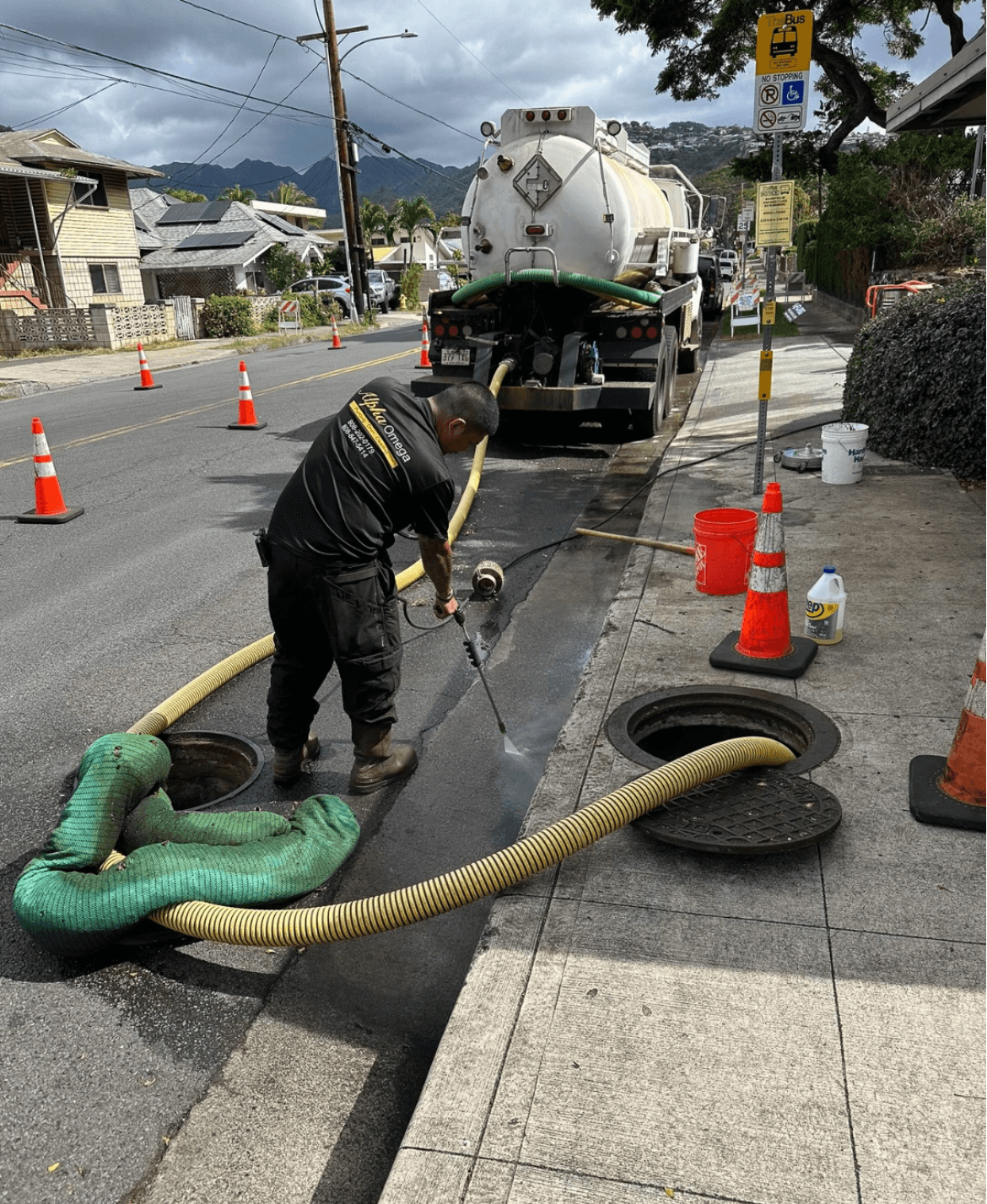
The most reliable answer comes from a pump-out. With the lid off and the contents removed, a technician can see the structure, the inlet and outlet, and whether there's a sealed bottom. That's often the quickest way to settle the question for good.
Why Hawai'i Law Now Favors Septic Systems
Because a cesspool releases untreated sewage into the ground, the state no longer allows new ones to be built, and existing cesspools are being phased out. Under Act 125, every cesspool in Hawai'i has to be upgraded, converted or connected to sewer by 2050. The Hawai'i Department of Health cesspool program explains how the state is prioritizing the highest-risk areas first.
A properly designed septic system or aerobic unit is one of the approved replacements, along with a sewer connection where a main is available. We cover the timeline, conversion options and funding programs in detail in our post on the 2050 cesspool deadline.
Choosing Your Next Step
If you have a septic tank, the goal is simple: keep it pumped, keep the leach field clear of roots, cars and new structures, and watch for slow drains or soggy ground. If you have a cesspool, keep it pumped and working, and start planning a conversion well before it fails or the deadline arrives.
Alpha Omega Plumbing has pumped, inspected and replaced wastewater systems across O'ahu since 2014. Whether you need to find out which system you have, schedule a pump-out, or talk through replacing a cesspool, call (808) 847-5414 for a free estimate.
Frequently Asked Questions
Is a cesspool the same as a septic tank?
No, a cesspool is an open-bottomed pit that releases untreated wastewater into the soil, while a septic tank is a sealed container that separates solids before sending liquid to a leach field for treatment. They can look similar from the yard, but they work very differently.
Which is better, a cesspool or a septic system?
A septic system is better because it actually treats wastewater before it reaches groundwater. It also tends to last longer with routine pumping, and it's an approved replacement under Hawai'i's cesspool conversion law, while new cesspools are no longer allowed.
How often should a cesspool or septic tank be pumped on O'ahu?
A septic tank is typically pumped every three to five years, depending on tank size and household use. Cesspools often need pumping every year or two, and more often as they age. Alpha Omega Plumbing can recommend a schedule after a pump-out at (808) 847-5414.
How much does it cost to replace a cesspool with a septic tank in Hawaii?
Replacing a cesspool with a septic system in Hawai'i usually costs tens of thousands of dollars, depending on soil, lot size, access and the type of system required. Alpha Omega Plumbing offers free estimates at (808) 847-5414 based on your actual property.
Can I tell if I have a cesspool or septic tank myself?
You can often get a strong clue from the lids and paperwork, since a septic system usually has a rectangular tank and a separate leach field while a cesspool has a single round lid over a deep pit. A pump-out by Alpha Omega Plumbing gives a definite answer.
Learn more about our Septic System Services services on Oʻahu
septic system services →Alpha Omega Plumbing Inc
Serving all of O'ahu since 2014.
More From the Blog
Need a Plumber on O'ahu?
Insured and available 24/7 for emergencies across the island.